Trump Administration’s Efforts to Compile State Citizenship Lists Raises Concerns
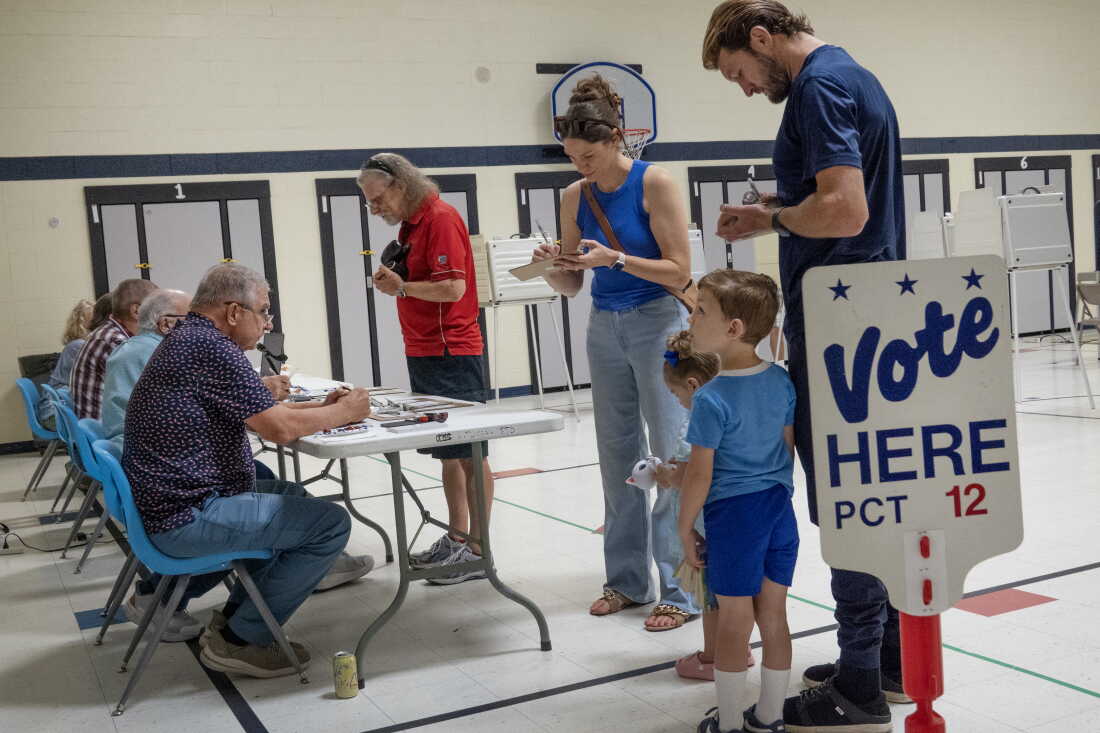
Recent developments in Shelby, Michigan, highlight the ongoing efforts by the Trump administration to create a state-by-state list of American citizens eligible to vote. This project marks the first attempt by a U.S. administration to compile such lists at a federal level, despite the Constitution delegating election management to states.
In court hearings, Department of Justice attorneys informed opposing counsel that the planned state citizenship portal would not meet its original deadline set for 60 days before Election Day. Instead, notifications will be issued 48 hours prior to the portal’s launch.
The initiative stems from an executive order signed by President Trump on March 31. Although blocked by a lower court in 23 states and Washington D.C., the Supreme Court recently stayed the injunction, clearing the path for implementation.
“States here have a strong incentive to actually use these lists to try to avoid federal investigation,” said Jules Torti, counsel at Protect Democracy.
The executive order mandates the creation of “State Citizenship Lists” by U.S. Citizenship and Immigration Services and the Social Security Administration. These lists should be shared with state officials at least 60 days before federal elections.
Critics, including privacy advocates and voters, have filed motions seeking to block these lists, arguing violations of the Privacy Act, Social Security Act, and Administrative Procedures Act. Concerns center on sharing Americans’ personal data without accurate information, potentially disenfranchising voters.
EPIC argues the government often lacks up-to-date data on Americans, notably for those frequently moving, changing names, or foreign-born. With incomplete Social Security and USCIS data, there exists a real risk of disenfranchisement.
Jules Torti expressed alarm over the administration’s persistence in pursuing the citizenship lists, especially closer to Election Day. This could lead to chaos and confusion among election officials and voters.
Despite requests for comment, neither the Department of Justice nor the Department of Homeland Security responded. The planned June 30 portal deadline passed without updates, although a “Coming Soon” landing page briefly appeared online.
In a separate legal challenge, Democratic party lawyers criticized the administration for progressing on the portal without court notifications, requesting immediate implementation updates.
The Department of Homeland Security also intensifies scrutiny over state voter rolls, seeking to identify potential noncitizens. Earlier audits showed noncitizen voting is rare.
In addition, ICE is actively seeking vendors capable of compiling public voter rolls and history data to support fraud detection and data segmentation efforts.