Judge Rules in Favor of Athletes in NCAA Case
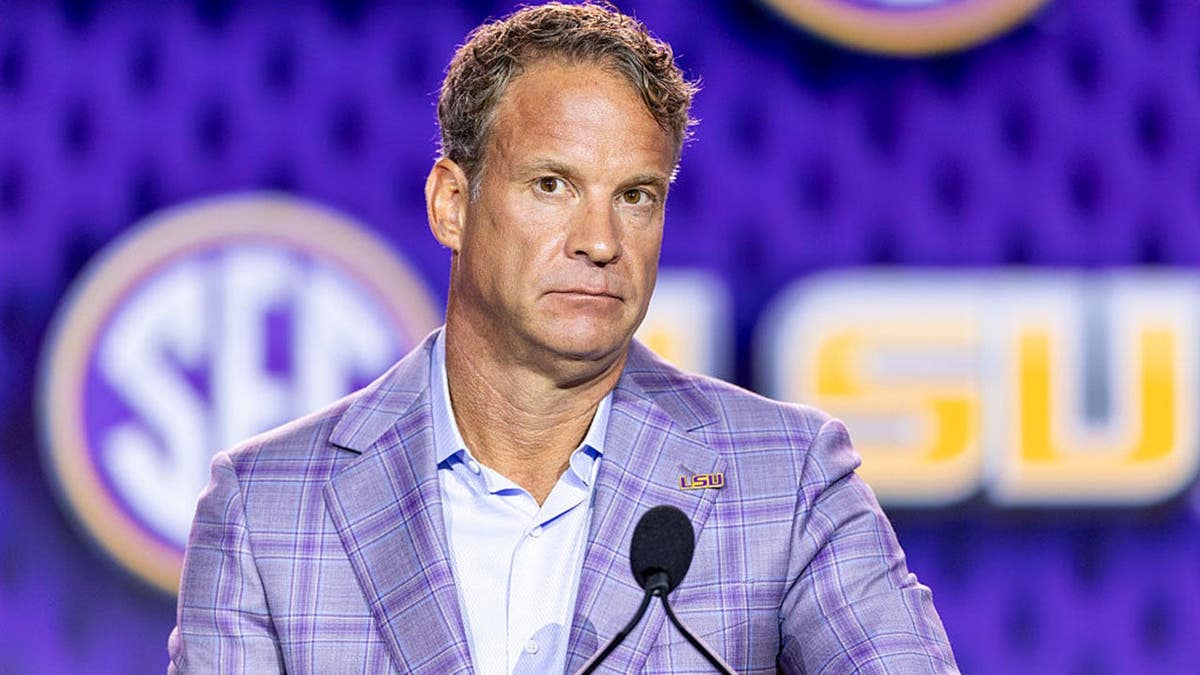
The scene outside the 19th District Court, just miles from LSU campus, turned into a hub for college athletics. Reporters gathered around Louisiana Attorney General Liz Murrill, who started her brief media interaction with the spirited cheer, ‘Go Tigers.’ It set the tone for the intense proceedings within the court.
Head Coach Lane Kiffin of LSU emphasized LSU’s compliance with a court order that allowed the school to roster athletes like Dae’Quan Wright, former Cleveland Browns training camp tight end. The core argument revolved around whether players with NFL ties should return to college athletics.
The case initiated in a single state court expanded nationwide, leading numerous athletes to file lawsuits against the NCAA and SEC. These actions were in response to the new five-for-five eligibility guidelines.
In Baton Rouge, the courtroom was a battleground for lawyers debating whether athletes deserved a temporary injunction. Judge William Jorden sided with the athletes, allowing them to be rostered by any school accepting them for the season.
SEC Commissioner Greg Sankey’s testimony took center stage for over three hours. Attorneys questioned him about the conference’s policy granting professional athletes from overseas rights to play beyond five seasons, in contrast to these plaintiffs who had turned pro under outdated guidelines.
SEC’s unexpected filing of a federal lawsuit in Alabama against LSU and Kiffin added further complexity to the situation. This legal move, perceived as distraction tactics, shocked the courtroom. Plaintiff attorney Tony Clayton queried repeatedly about the SEC’s alleged lawsuit filed that morning.
The courtroom drama continued, blending legal arguments with moments of intense scrutiny. Lawyers debated accusations of the SEC colluding to establish new rules for returning pro-athletes, challenging the previously issued court order.
An aspect of the case Judge William Jorden focused on involved how the SEC managed these guidelines post-court order. The legal saga reflects a dynamic shift in college athletic eligibility, influenced by professional ties.