Trump Administration Targets Birth Tourism with New Measures
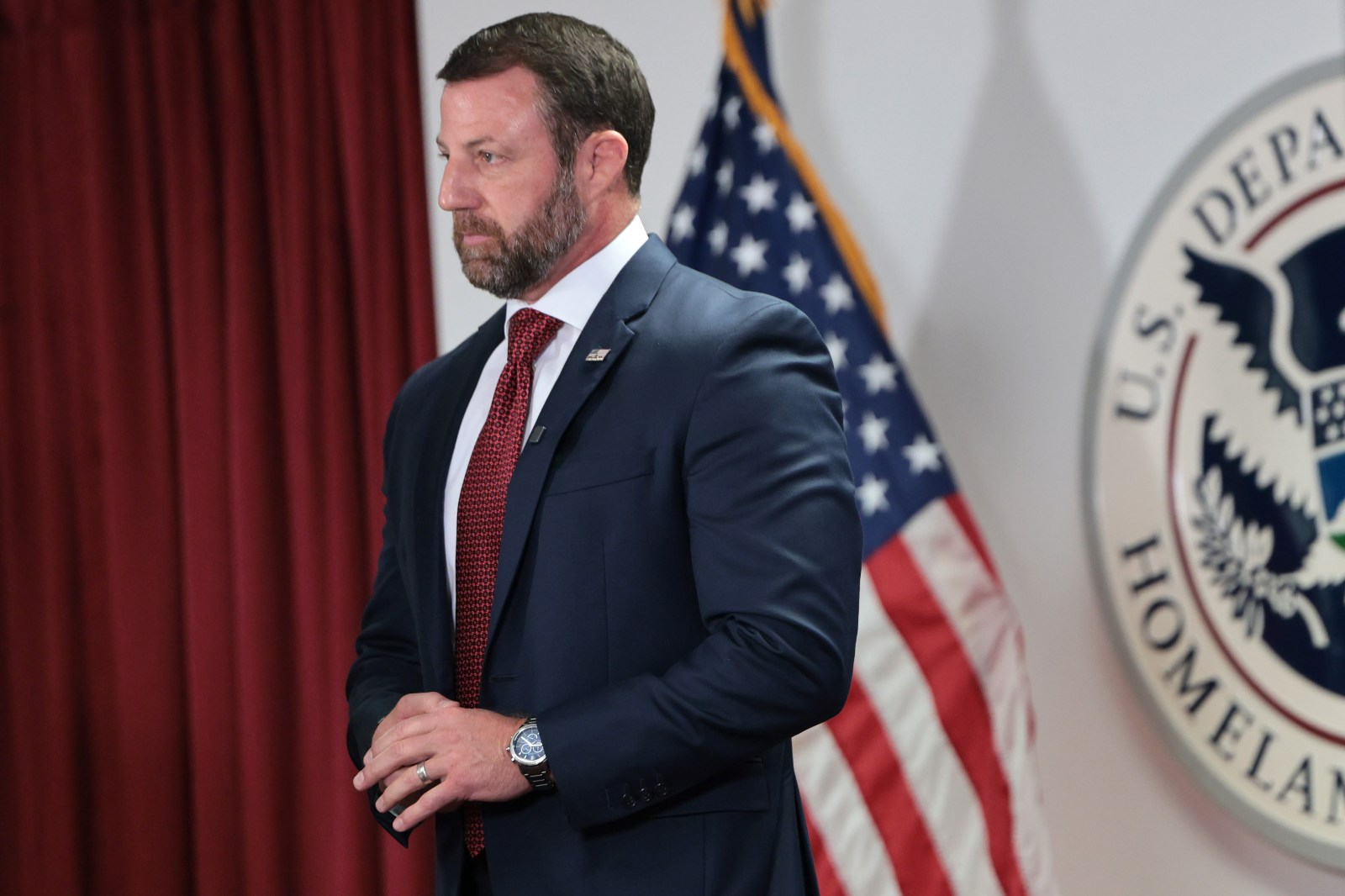
Homeland Security Secretary Markwayne Mullin announced that the Trump administration is working on potential restrictions to prevent women in late pregnancy stages from entering the U.S. This effort aims to curb birth tourism, where foreign nationals travel to the U.S. to give birth and secure citizenship for their children.
Administration’s Intent
The administration’s proposal represents one of its most direct efforts to prevent birth tourism. This initiative aligns with President Donald Trump’s broader push to restrict birthright citizenship. Speaking to Fox News, Mullin indicated collaboration with the Department of Justice and the Department of Health and Human Services to establish rules preventing third-trimester pregnant women from entering the country.
“We don’t allow sick individuals to come in if they’re from an area that could spread a disease,” Mullin stated. “After consulting with healthcare professionals, who caution against flying in late pregnancy, maybe we should apply the same principle to border entry.”
A Department of Homeland Security spokesperson clarified that while giving birth in the U.S. isn’t illegal, the department focuses on potential violations such as visa fraud.
Executive Order on Birth Tourism
A recent executive order directs the State and Homeland Security secretaries to prevent nonimmigrant visas for birth tourism. The order allows for visa denials or revocations for travelers intending to give birth and addresses those facilitating such travel.
The order does not ban pregnant women from traveling to the U.S. It permits humanitarian and national-interest exemptions, providing officials with discretion in visa issuance and border admissions.
Leon Fresco, a former deputy assistant attorney general now at Holland & Knight, explained that U.S. Customs and Border Protection officers have discretion when admitting travelers. They can subject travelers, believed to be nearing birth, to secondary inspections and questioning.
Legal Framework and Challenges
Traveling to the U.S. during pregnancy isn’t prohibited. Existing B-category visitor visa rules focus on the traveler’s primary purpose. Amanda Frost, an immigration law professor at the University of Virginia, pointed out that the government lacks evidence on the prevalence and impact of birth tourism. A 2020 regulation presumes women entering to give birth aim for U.S. citizenship, requiring them to prove otherwise when applying for visas or entering at the border.
Applicants may travel for medical treatment on a B-2 visa but must demonstrate prearranged plans with healthcare providers and the financial means to cover costs.
Enforcement Mechanisms
Overseas visa screening serves as a primary enforcement route. Consular officers can deny visas based on birth tourism suspicions. A Birth Tourism Prevention Task Force reviews visa holders’ activities and works to identify those involved in birth tourism networks. Visa revocations have occurred, though they don’t necessarily confirm birth tourism intent.
CBP inspections at airports and border crossings permit officials to question travelers further or refuse entry if suspicion arises. Immigration fraud laws could apply if travelers misrepresent their trip’s purpose.
Assessing Birth Tourism Prevalence
Assessing birth tourism’s extent remains challenging. Leon Fresco clarified that noncitizens on long-term visas aren’t necessarily birth tourists; only those who travel specifically to give birth for potential immigration advantages may fit the criteria.
Organized companies offering birth tourism services exist, but the exact numbers are difficult to ascertain.
Linking Birth Tourism and Citizenship
Trump’s birth tourism order aligns with efforts to redefine birthright citizenship categories. A separate executive order seeking to narrow citizenship categories faced legal reversals. Courts maintained birthright citizenship for U.S.-born children of unlawfully present parents. The birth-tourism order focuses on pre-birth entry prevention within visa systems.
Fresco suggested the administration might attempt to restrict benefits associated with U.S.-citizen children from birth tourism, potentially challenging family-based immigration benefits related to birthright citizenship.