Senate Nominee’s Radical Views on Capitalism and Their Impact
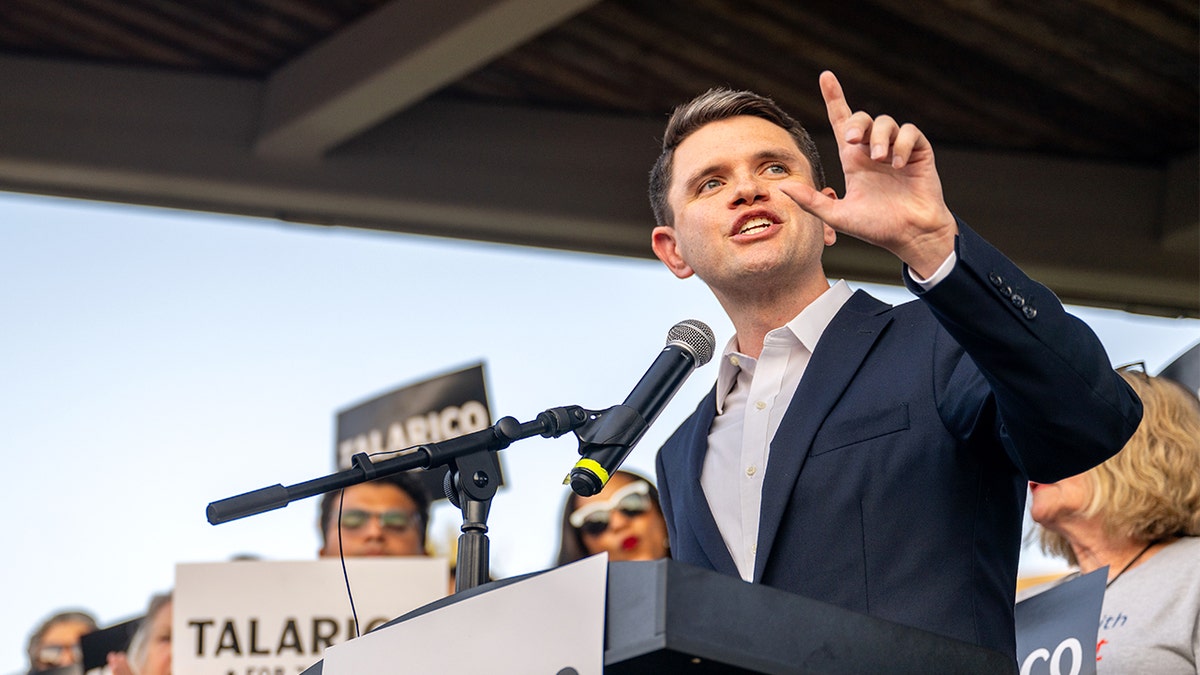
Senate Democratic nominee James Talarico has stirred controversy with his views on capitalism, which he called an “oppressive system” linked to White supremacy. During a climate forum, Talarico suggested dismantling capitalism to create a better world. His comments align with Russian revolutionary Leon Trotsky’s stance against capitalism and echo sentiments expressed by the Democratic Socialists of America, who also call for the end of the capitalist state.
Talarico, a state representative, made these remarks during a 2020 climate conference organized by the Austin chapter of the Sierra Club. At the event, he criticized the connection between climate change, White supremacy, and capitalism, urging for the end of these systems. He also took a jab at Texas’s oil and gas industry, likening it to the bygone era of cassette tapes, predicting its imminent decline.
Ironically, Talarico pledged a vegan campaign, opposing both beef and energy markets, which could impact Texas’s economy significantly. His views parallel leftist ideologies, advocating for a transformation of the capitalist social order.
Similar sentiments have been voiced by other politicians, including California Governor Gavin Newsom, who criticized the current state of capitalism. Books like “Rage and the Republic” address the rise of socialism and its critique of capitalism and core institutions like the Supreme Court.
The current debate marks the 250th anniversary of both the Declaration of Independence and Adam Smith’s “Wealth of Nations.” Smith’s economic theories, embraced by the Founders, fueled a democratic system enabling citizens to transcend social barriers. Yet, this system now faces challenges from radicals advocating for constitutional and economic change.
As attacks on capitalism grow, figures like New York Mayor Zohran Mamdani promote collectivist solutions such as free childcare and buses, and state-run grocery stores. These ideas gain traction among young, educated voters who propagate socialist ideologies.
Despite backlash, some figures downplay their radical remarks, labeling them as past extremes. Talarico’s campaign contrastingly described him as a “proud capitalist,” though staff acknowledged the controversial comments.
In essence, radicals pushing for systemic change dismiss past statements while justifying drastic actions by the potential outcomes they seek. The belief that the end justifies the means reflects the ongoing strategy behind their campaigns.
Jonathan Turley, a legal scholar and author, has extensively addressed these topics in his new book “Rage and the Republic: The Unfinished Story of the American Revolution.” He has contributed to discussions on constitutional law and the historical context surrounding these issues.