The Aftermath of Nepal’s Catastrophic Floods
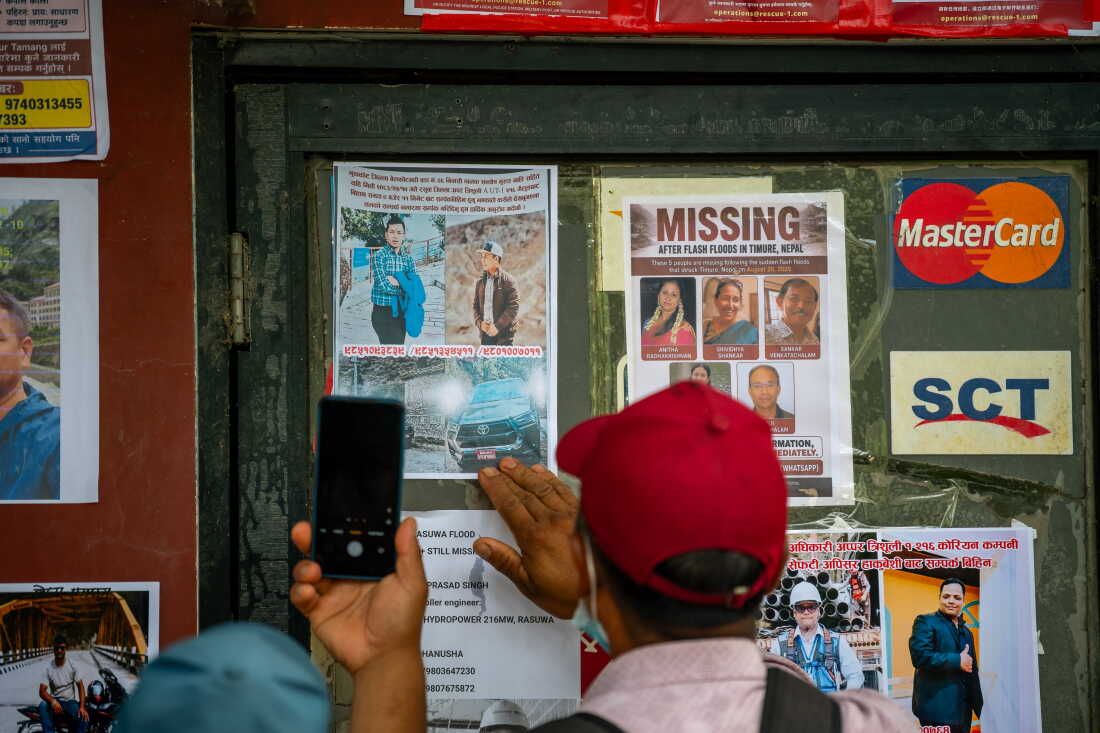
Missing Persons and Devastation
More than 5,600 individuals remain unaccounted for following the devastating flash floods in Nepal. In Devighat, a board displays photos of some missing persons. Shushma Bhusal, regional lead for the International Federation of Red Cross and Red Crescent Societies, describes the situation as dire. Parts of Bidur municipality, once vibrant with about 60,000 residents, now show no signs of life. Many homes have been swept away.
Bidur, located along the Trishuli River, was a transit hub near Kathmandu. The floods hit hard, demolishing infrastructure and communities. Trishuli hospital, pivotal to the area’s health services, became inaccessible due to a collapsed bridge. What took merely ten minutes to cross now requires a grueling ten-hour trek.
Impact on Health Services
The floods claimed at least 1,200 lives in Nepal and Tibet, as reported by authorities. According to Allison Gocotano, WHO representative in Nepal, the disaster destroyed or damaged seven hospitals and health centers. Remaining hospitals struggle with road blockages affecting access and inconsistent electricity supply.
Health services are disrupted, including routine medical care. Pregnant women face challenges with upcoming deliveries. UNICEF is setting up medical tents and distributing hygiene kits and bed nets to assist 19,000 people. Chronic illness patients, such as those with diabetes, hypertension, or cancer, face dire health conditions due to medication disruptions.
Emerging Health Risks
As health officials work to restore basic medical services, new challenges arise. Floods contaminated water systems, raising fears of waterborne diseases like cholera. Relocated survivors, numbering thousands, may face airborne diseases in crowded temporary shelters.
Technical staff from the Ministry of Health have been deployed to monitor disease threats and prevent epidemics.
Mental Health Crisis
The floods have led to a significant mental health crisis. Between 2,500 and 3,000 people reside in temporary holding centers. Ayush Joshi from Save the Children noted children’s hopeful glances toward search helicopters, longing for rescued loved ones.
Survivors are wrestling with loss and trauma. One girl witnessed her friends being swept away and was separated from her parents. UNICEF’s Gurung recounted a rescued woman’s shock, expressing deep loss after losing her children.
Mental health support is being provided, albeit sometimes overshadowed by immediate relief efforts. Joshi emphasizes the need for sustained psychological care post-disaster, as trauma’s impact is enduring.