Trump Administration Seeks Supreme Court Intervention in Mail-In Voting Dispute
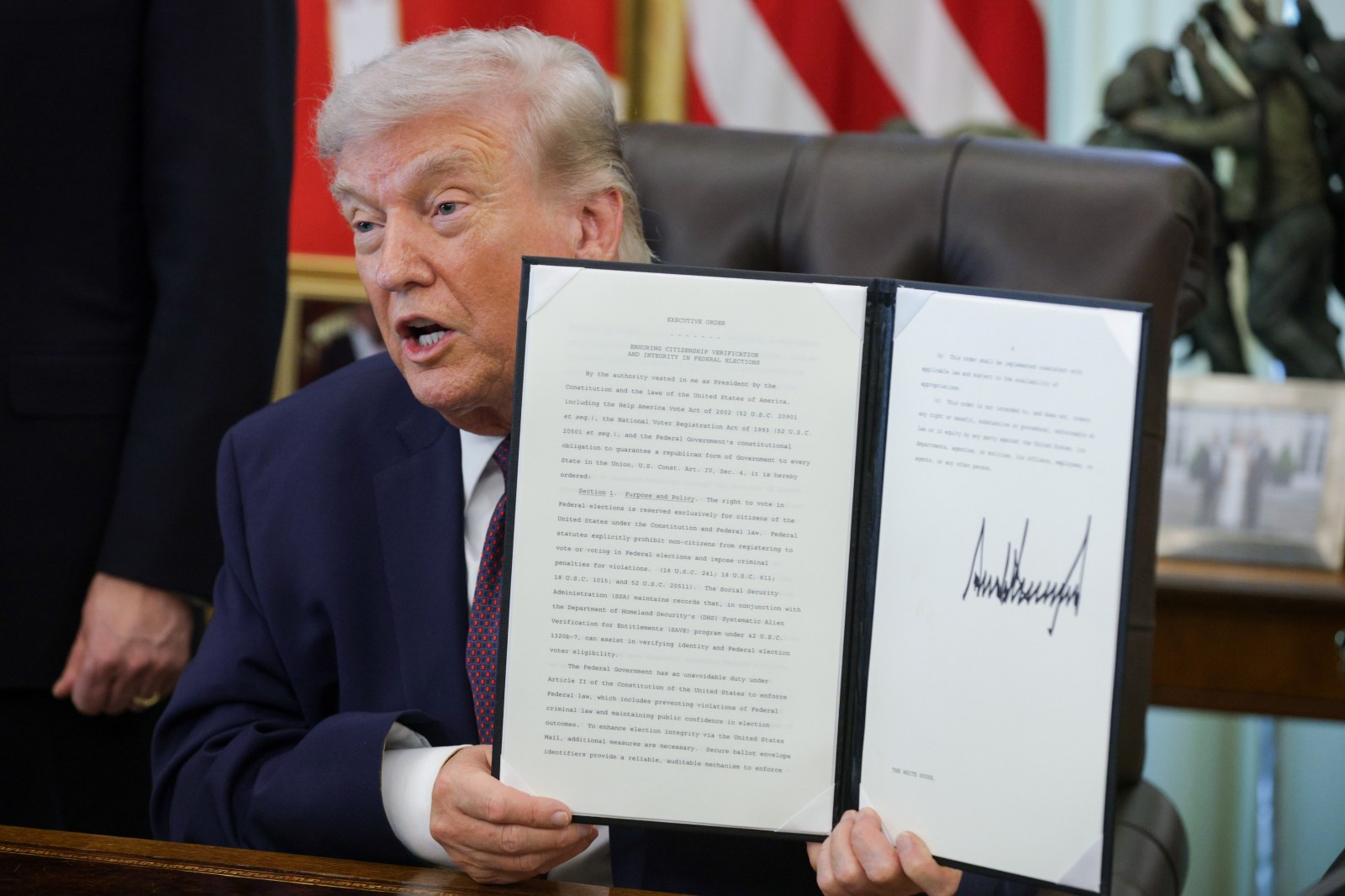
Legal Battle Over Mail-In Voting
The Trump administration has approached the U.S. Supreme Court for emergency intervention related to mail-in voting regulations ahead of the November midterms. This follows a federal judge’s decision to block contested U.S. Postal Service ballot restrictions indefinitely while litigation continues in lower courts. The dispute has emerged as a critical legal battle, affecting millions of voters as control of Congress hangs in the balance.
Approximately one-third of U.S. voters used mail-in ballots in the 2024 presidential election, highlighting the importance of this issue for election administrators, political parties, and voters. Several battleground and Western states heavily rely on mail voting and could be pivotal in determining congressional majorities.
Emergency Appeal and Timing Concerns
Solicitor General D. John Sauer has asked the Supreme Court to lift the block imposed by U.S. District Judge Indira Talwani, who determined challengers are likely to succeed in arguing the Postal Service policy infringes upon state and congressional powers. The Trump administration insists these rules are routine measures meant to ensure election integrity, not an unlawful federal election takeover.
Timing is a central concern. North Carolina has started mailing absentee ballots, with other states set to follow. The administration claims prolonged injunction increases confusion among local election officials, who continue preparing ballots under current systems instead of new federal standards.
Opponents warn altering procedures close to Election Day could cause logistical disruptions for offices that have extensively prepared for the midterms. Election experts have expressed doubts that even a legal victory could significantly alter states’ mail voting methods this year.
Political Implications
The legal battle carries significant political consequences for November’s elections, with congressional control at stake. Republicans defend their legislative majorities, while Democrats aim to leverage political conditions against the administration for gains in the House and Senate. Democratic control of either chamber could allow the party to dictate committee agendas and access subpoena power, enabling enhanced oversight and potential investigations.
Representative Jamie Raskin of Maryland emphasized the stakes by asserting President Trump has committed impeachable offenses and regularly defies Congress. Changing congressional control could reshape his presidential term’s remaining years.
Defending the mail-ballot restrictions, the administration argues these provisions are commonsense measures to boost public confidence in elections. Critics contend the rules are unnecessary voting obstacles and represent an unconstitutional executive authority expansion into traditionally state-managed areas.
The Supreme Court now faces pressure to act swiftly as ballots continue reaching voters nationwide. Their decision will impact mail ballot handling in the campaign’s closing weeks and determine the fate of the administration’s election security initiative.