Understanding Postpartum Psychosis: A Rare But Severe Mental Health Issue
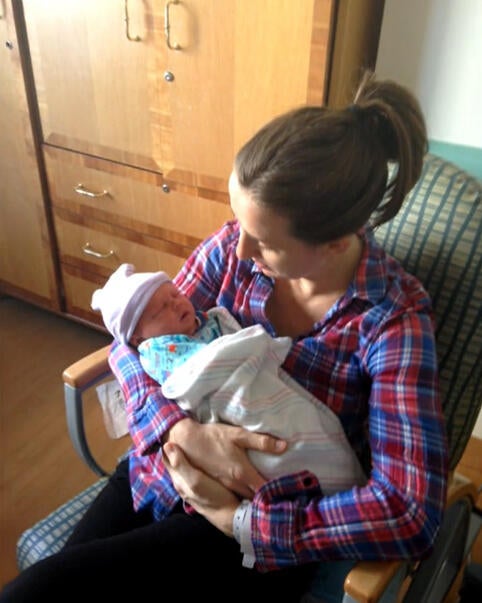
Ten years ago, Meghan Cliffel was a working mother in New York City. In December 2015, she had resumed work eight months after the birth of her second daughter. She described feeling overwhelmed with work stress and not quite herself despite outwardly functioning well.
Things took a dramatic turn for Cliffel on December 4th, 2015. She began to believe she was being surveilled, leading to a terrifying, deluded reality where she felt the entire city was against her. Meghan Cliffel was diagnosed with postpartum psychosis following her second child’s birth.
Postpartum psychosis is not to be mistaken for postpartum depression. Dr. Veerle Bergink, a psychiatrist and director for women’s health at Mount Sinai’s School for Medicine, has been researching postpartum psychosis for 20 years. She labels it a “psychiatric emergency” with extreme symptoms such as mania, racing thoughts, losing reality, or depression with psychotic features.
“Mania, racing thoughts, psychosis, losing reality, or depression with psychotic features, being so low you think everything is your fault, or a mixture of these. These symptoms occur within a few months after delivery.” – Dr. Veerle Bergink
Cases of postpartum psychosis are rare, occurring in about 1 to 2 women per 1,000 births annually, potentially affecting up to 9,000 mothers each year in the U.S. Though suicide can be a significant cause of mortality in affected mothers, infanticide is extremely rare.
Dr. Jennifer Payne, a reproductive psychiatrist and vice chair of research at the University of Virginia School of Medicine, emphasizes that the condition’s rarity means many psychiatrists have never seen a case. Payne highlights the need for education about postpartum psychosis within the public and legal system.
Despite some improvements over the years, Payne believes the legal system still struggles with handling postpartum psychosis cases appropriately. She advocates for these cases to be recognized as mental health issues rather than progressing to murder trials.
After her recovery, Meghan Cliffel and her husband Colin decided to have a third child. With a risk of recurrence, Meghan opted for prophylactic Lithium, ultimately resulting in a joyful experience the third time around.
“It’s a real illness,” Cliffel stated. “There’s no shame. And you can get better. It is a beast and it’s hard to heal from, and it warrants time and attention.”
If you or someone you know is in emotional distress or a suicidal crisis, reach out to the 988 Suicide & Crisis Lifeline by calling or texting 988. Resources like the National Alliance on Mental Illness also offer support at 1-800-950-NAMI (6264).