Australia-Solomon Islands Treaty: A Counter to China’s Pacific Influence
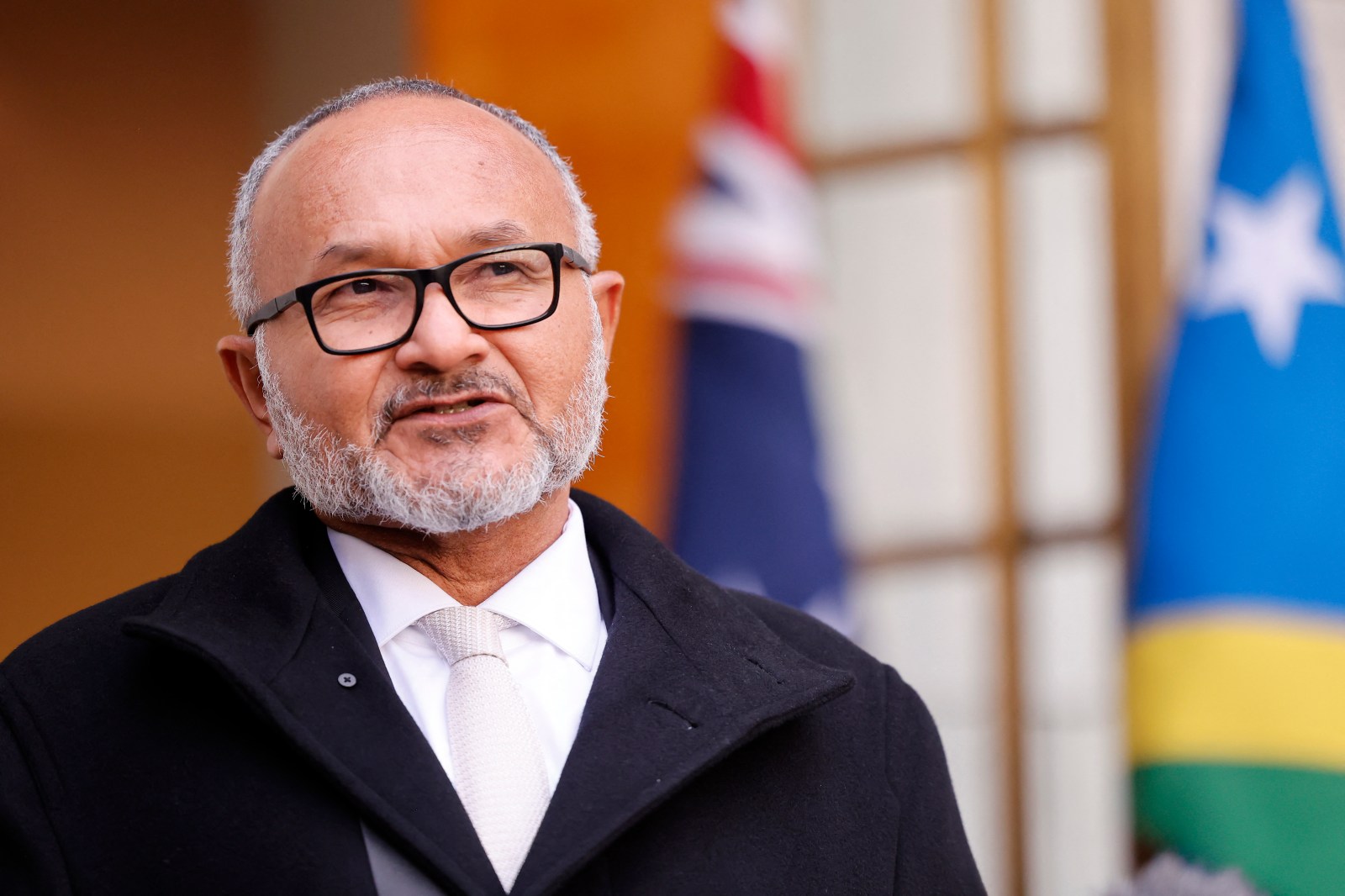
An anticipated treaty between Australia and the Solomon Islands could challenge China’s rapid diplomatic efforts in the South Pacific. However, this comes with an investment of hundreds of millions of dollars. Australia committed to investing at least $980 million Australian dollars, or over $700 million USD, in the Solomon Islands’ economy and politics. This information emerged from a leaked message reported by Australia’s ABC News.
The agreement is likely to be welcomed by Washington, D.C., marking the Solomon Islands’ shift away from China. Recently, Australia secured separate security agreements with Vanuatu and Fiji. China’s reaction has been unfavorable, having provided over $1 billion in aid to these nations over two decades.
Beijing faces losing another ally among strategically located islands with valuable resources. The situation affirms a strategy known by both Xi Jinping and Donald Trump: offering financial incentives often outweighs appeals to democratic values for small and medium powers.
Nothing in Politics is Free
In politics, as in life, nothing is free. The U.S. learned this when it signed three “compacts of free association” (COFA) with Micronesia, the Marshall Islands, and Palau. These treaties provide economic aid and protection in exchange for U.S. military access.
In 2024, the U.S. Congress passed $7.1 billion in COFA funding through 2043, allowing the U.S. to maintain influence in the South Pacific amidst growing competition with China. As economic priorities shift, such policies remain debated by taxpayers.
China actively engages with regions overlooked by the West. It committed $7.5 billion to the Pacific islands since 2008 and spent $5 billion on development aid. This includes $516 million for Vanuatu and $529 million for Fiji, under Xi’s Belt and Road Initiative. Australia regained influence over these neighbors with fiscal pledges worth $1 billion over a decade. Some Australians may find this investment tough to justify, much like Americans who questioned COFA funding.
Trump Speaks Xi’s Language
Xi’s effective diplomacy stems from understanding the importance of presence, a concept Trump also grasps. When Armenia and Azerbaijan signed their peace treaty, the U.S. supported it with plans to invest $2.5 billion in the South Caucasus, potentially countering Russian and Iranian influence.
Similarly, the U.S. and New Zealand agreed to fund a new port on the Penrhyn atoll in the Cook Islands to restrict China’s access to the island’s deep-sea minerals. China may be surprised by the shifts in the Solomon Islands, where their former leader agreed with China on security and infrastructure in 2022.
Of the $194 million China provided the Solomon Islands, most came after 2019. Xi’s administration, confident in 2022, pushed for a broad regional deal to position China at the center of Pacific economic growth. This move may have overstated China’s influence.
Since May, Solomon Islands Prime Minister Matthew Wale has influenced China’s reduced role in the South Pacific. Skeptical of China’s reliability in security, Wale couldn’t disclose details of their pact with China due to a non-disclosure agreement.
The U.S. and allies may exploit this opening to regain influence in the South Pacific, but China isn’t withdrawing completely. Although demand for Chinese loans has fallen due to debt concerns and China faces fiscal challenges, Chinese state-owned enterprises continue to dominate Pacific infrastructure projects, as noted by the Lowy Institute.