AI’s Impact on China’s Entertainment Industry
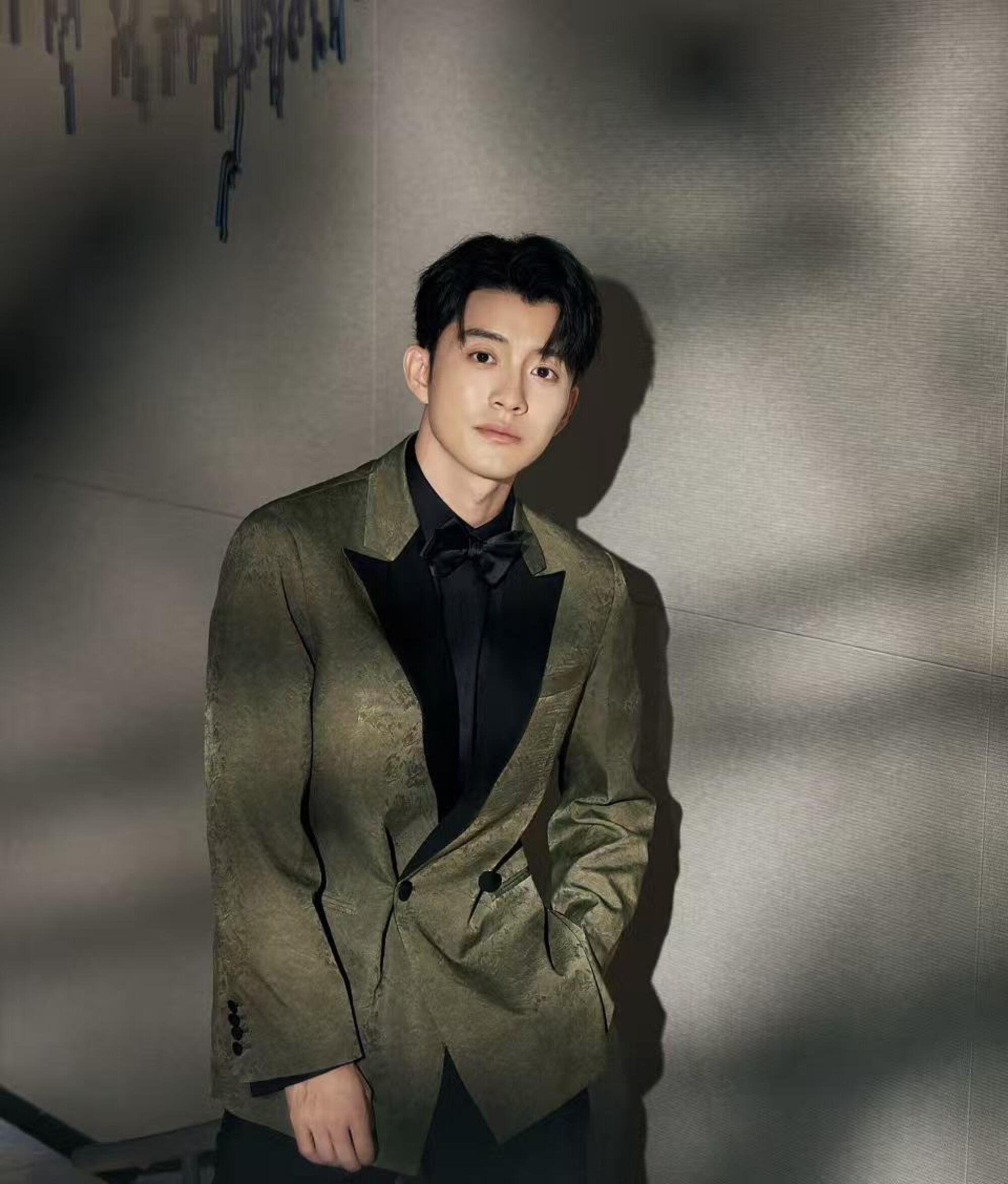
Chen Yilong, an actor with over 20 years of experience, has faced a decline in work opportunities. In August, he licensed his facial image to a Chinese production studio. Chen will perform various expressions in front of a camera, which the studio will use to create a digital avatar for AI-generated movies.
Chen’s sentiment is clear: if you cannot resist AI, join it. The Chinese entertainment industry is rapidly evolving due to AI-driven storytelling, particularly in micro dramas. These short videos are popular among Chinese audiences during their daily routines and serve as an efficient platform for AI content due to reduced production costs.
Statistics from the China Netcasting Services Association highlight the surge in micro dramas, reaching 128,000 in early 2023, with over 95% utilizing AI. This trend is mirrored in the US, suggesting potential changes in Hollywood. Chinese companies, such as ByteDance, are making efforts to penetrate Hollywood with AI-powered video-generation software.
“In this new environment, none of the old rules matter anymore.” – Michael Berry, UCLA
Hengdian World Studios, traditionally known as China’s Hollywood, now draws more tourists than actors. Reports indicate that daily, around 10,000 extras seek work, but only 800 succeed. The decline in productions has impacted actors like Chen, who estimates job losses up to 60% this year. Viewers opting for shorter content contribute to this shift.
However, not everyone faces job losses due to AI. Entertainment lawyer Fan Baile remains busy with cases of face theft for digital avatars. The rapid pace of technology leaves regulations trailing, complicating legal assessments of likeness infringements.
Recent incidents include Jackson Yee’s studio publicly addressing AI misuse of his image and a successful lawsuit by actress Dilraba Dilmurat against unauthorized AI likeness usage.
Sun Wei, founder of Feixiang Universe, licenses real faces for AI productions set in historical contexts. Her team uses extensive AI tools, aiming to diversify digital appearances. Feixiang Universe produces AI films significantly cheaper than traditional methods.
Sun’s method involves using AI for initial screenplay development with tools like ChatGPT. Her team acts to perfect AI-generated content, despite initial inaccuracies.
Director Lu Beike confirms AI advancements can visually impress but lack depth and lighting complexity. Real actors in AI-heavy productions may appear incongruously human, requiring post-processing to blend in.
Despite AI’s abilities, it falls short in emotional depiction. Real expressions carry nuances AI cannot replicate.
“Copying a face is not the same as copying an actor.” – Lu Beike
Chen Qiufan, an acclaimed science-fiction writer, embraces AI storytelling while recognizing growing pushback. He notes a resurgence in live events, emphasizing the unique value of human-produced content.
Ultimately, AI’s role in entertainment highlights the difference between art and product.