Republican Election Officials Oppose Trump’s Mail-Ballot Rule
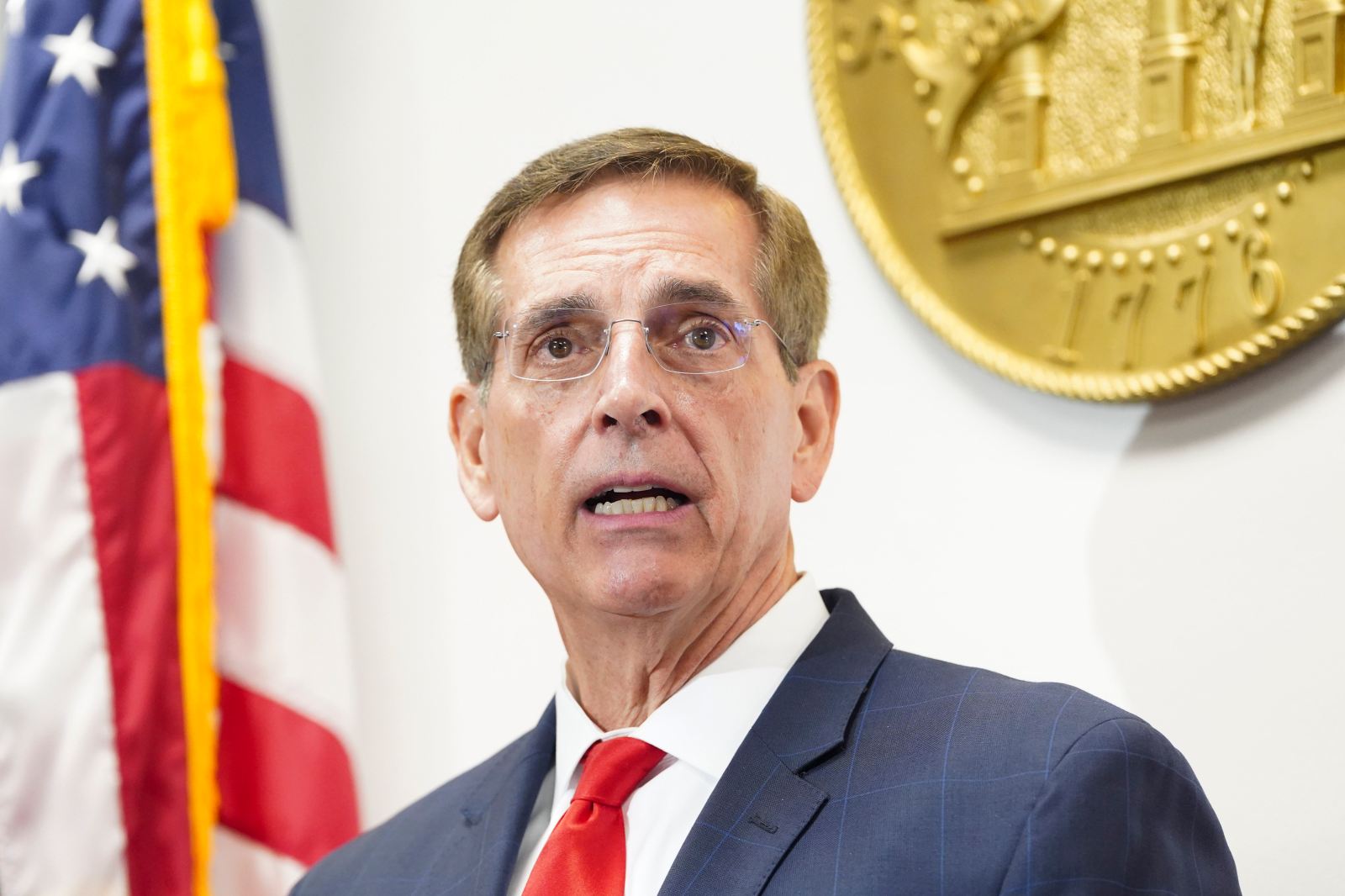
Republican Officials Challenge Trump’s Ballot Rule
A group of Republican election officials has petitioned the U.S. Supreme Court to reject President Donald Trump’s mail-ballot rule before the upcoming November midterm elections. They argue that implementing the changes would lead to confusion, delays, and voting disruptions.
This appeal stands out because it originates from Republican officials, not just voting-rights groups or Democratic figures. The matter gained momentum on Thursday when the U.S. Court of Appeals for the First Circuit did not pause a lower-court injunction blocking the rule. The appellate court indicated the government had not shown a likelihood of success. It highlighted concerns that states might struggle to meet the rule’s requirements before the November 3 election.
Supreme Court Pressure
These developments add urgency to the Trump administration’s emergency appeal to the Supreme Court, seeking to reinstate the ballot-mail provisions blocked by a federal judge in Massachusetts. The White House claims these measures are vital for safeguarding election integrity. Opponents argue they would cause logistical issues and exceed federal authority. Newsweek contacted both the White House and attorney Brent Herrin, representing the election officials, for their comments.
Election Risks Cited by Republicans
The filing includes signatures from 38 current and former election officials from 10 states. These include Republican Secretaries of State like Brad Raffensperger from Georgia, Scott Schwab from Kansas, Michael Adams from Kentucky, David Scanlan from New Hampshire, Michael Howe from North Dakota, and Monae Johnson from South Dakota. Utah’s Lieutenant Governor Deidre Henderson also signed it.
The officials stress that their objection does not endorse or oppose the rule itself. Instead, they believe its implementation before the elections is impractical. “Attempting to implement the Rule now will almost certainly lead to mistakes, delays, and confusion for both voters and election officials,” states the brief.
The brief notes that absentee ballots have already started mailing in some states. Federal law mandates that states send ballots to military and overseas voters by September 19. It highlights additional requirements like new envelope specifications, usage of a federal ballot portal not fully tested, and extra verification procedures.
The officials emphasize the Supreme Court’s Purcell doctrine, advising against significant changes to election protocols close to an election to prevent voter confusion and administrative issues. The brief insists that the election should proceed under the existing rules set at the start of election preparations.
“Election administrators deserve a clear roadmap to successfully deliver a free, fair, and fast election. We already have that in Georgia,” Raffensperger spokesman Robert Sinners commented to Newsweek. “They need certainty to serve their communities; last-minute changes undermine that. The Purcell doctrine is clear.”
First Circuit Court Supports Concerns
The First Circuit’s ruling aligns with concerns from the Republican officials. It highlights the absence of evidence proving voter fraud outweighing the adverse effects of the changes. The court notes that the rule could lead to “the disenfranchisement of millions of voters” with minimal impact on curbing voter fraud.
The appellate court denied the administration’s request for a stay, citing impracticalities like states needing USPS approval for new ballot envelopes, replacing already ordered ones, and developing systems for voter-specific barcodes.
The court further emphasized concerns about “chaos and widespread disenfranchisement” from immediate rule implementation, including envelope approval delays, technical requirements, and large-scale ballot verification issues.
The officials request the November election occur under the original rules from the election’s start and suggest resolving the rule’s legality before the 2028 election.