Middle Eastern Conflicts and Strategic Implications
Helmuth von Moltke the Elder, a 19th-century Prussian strategist, is known for articulating a fundamental truth: no plan survives contact with the enemy. This lesson resonates with President Donald Trump as Yemen’s Houthis challenge established dynamics in the Middle East.
The Houthi Challenge
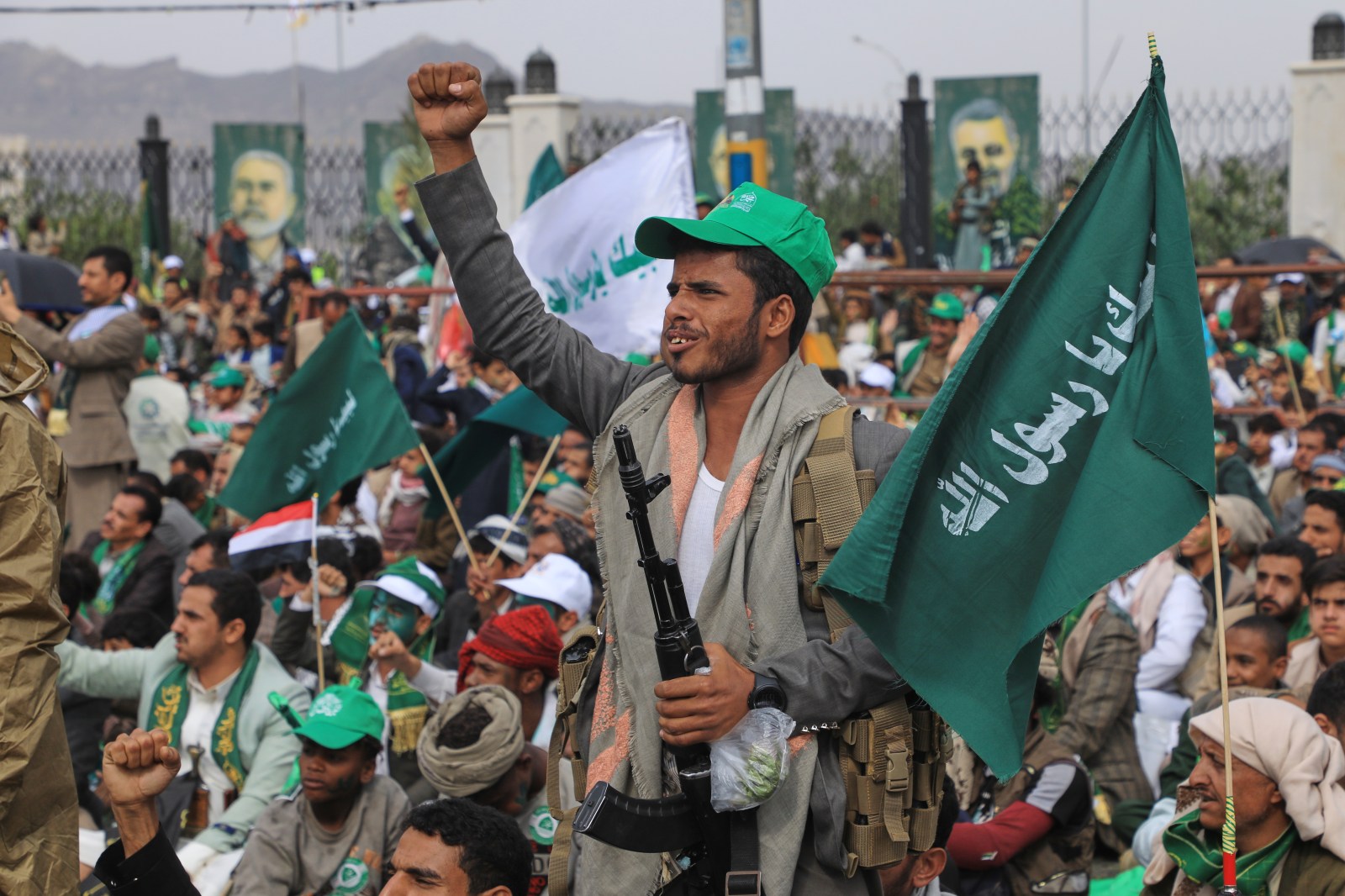
Ansar Allah, or the Houthis, originate from one of the poorest countries yet exert influence beyond their modest status. They’re altering the conflict landscape through strategic offensives. Recent activities include strikes on Saudi infrastructure and the capture of key territories on the Red Sea, complicating calculations for the U.S. administration.
Strategic Significance of Chokepoints
While global attention was on the Strait of Hormuz, another crucial waterway now presents challenges. The Houthis captured Mokha port and Mayun Island, situated within the Bab el-Mandeb Strait. This narrow passage, crucial for 12% of global trade, links the Red Sea to the Gulf of Aden.
The U.S. Maritime Administration recorded over 100 Houthi attacks on commercial vessels from November 2023 to October 2025.
These locations provide the Houthis with strategic leverage. Oil flows through Hormuz reduced drastically, while Bab el-Mandeb saw increased activity, highlighting its newfound importance.
Iran and Broader Implications
The situation grants Iran additional leverage over the U.S. Iran’s Supreme National Security Council demands cessation of attacks across the region as a condition for reopening Hormuz. The Houthis’ actions tie back to Tehran’s broader strategic goals, complicating negotiations with Washington.
Saudi Arabia’s Strategic Dilemma
Saudi Arabia faces rising challenges amid decreasing crude production and export levels. Houthi attacks targeted Saudi cities and energy facilities, causing injuries and infrastructure damage. These issues test recently formed alliances.
The Mecca Joint Defense Agreement with Turkey and Pakistan, suggesting a Muslim NATO, faced its first test. Despite this pact, Saudi Arabia turned to the U.S. for support. The request for American action and intelligence highlights Riyadh’s reliance on Washington.
In crisis times, traditional alliances with Atlantic powers prevail, even as Saudi Arabia seeks regional security autonomy. This evolving situation continues to reshape Middle Eastern power dynamics.