U.S.-Iran Conflict: Political Challenges for Trump and Pezeshkian
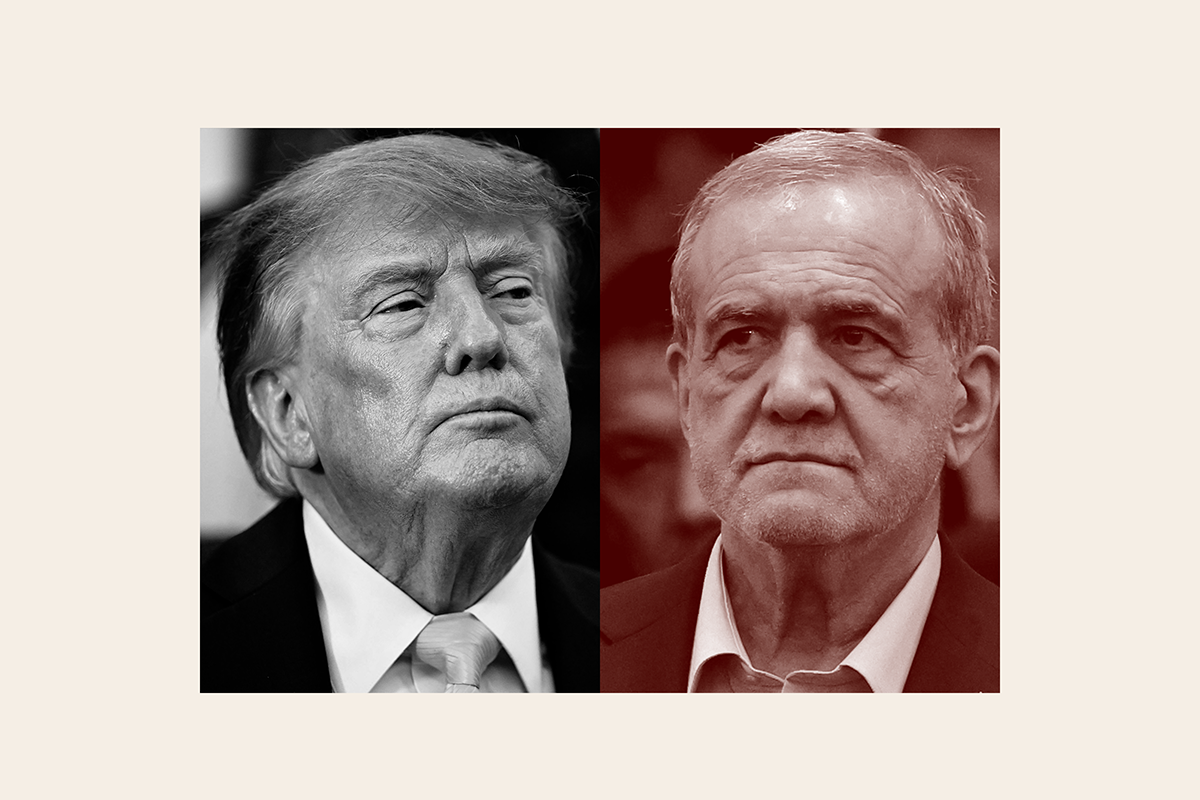
The ongoing conflict between the United States and Iran intensifies, creating significant political challenges for the leaders of both countries. In the U.S., President Donald Trump faces mounting opposition to the war. Even within his MAGA movement, dissent grows. The prospect of achieving peace or victory before the mid-term elections in November appears slim.
Trump Faces Domestic Challenges
Since the collaborative conflict with Israel against Iran began on February 28, Trump has avoided setting clear U.S. objectives or timelines. However, the impending deadline of November 3 for the mid-term elections looms large. Many Republicans are anxious about potential losses, despite Trump’s indifference to the electoral outcome.
Democrats have gained ground in numerous special elections, winning in states like Arkansas, Florida, and Texas. A University of Massachusetts and Reuters-Ipsos poll shows that Republican enthusiasm for the mid-term elections lags behind Democrats by 12-13 percent. Prominent MAGA supporters, including Tucker Carlson and Megyn Kelly, criticize Trump for failing to avoid new conflicts, impacting his support base.
The conflict’s domestic impact includes rising gas prices and living costs. Around 56 percent of Americans oppose the war, while only 36 percent support it, according to Silver Bulletin data. The Financial Times and Focaldata poll shows Trump’s approval at just one-third. Many believe a strategic shift is needed for the war’s resolution.
Challenges for President Pezeshkian
In Iran, President Masoud Pezeshkian faces a different but equally complex challenge. Iran’s leadership structure includes shared power among the president, supreme leader, parliament speaker, judiciary head, and military leaders. After the death of Ayatollah Ali Khamenei, his son Ayatollah Mojtaba Khamenei assumed leadership but remains elusive, creating a power vacuum.
Beyond Pezeshkian, significant figures include Parliament Speaker Mohammed Bagher Qalibaf and Judiciary Chief Gholam-Hossein Mohseni-Ejei. Qalibaf acts as a mediator, gaining attention from the White House. Meanwhile, IRGC chief Major General Ahmad Vahidi builds influence quietly, possibly cultivating personal allegiance within Iran’s leadership.
Pezeshkian’s reformist stance increasingly faces scrutiny, especially following Trump’s economic threats. While he initially promoted diplomacy and economic progress, Ken Ramsay argues that Pezeshkian’s approach has suffered, with critics calling for his removal due to perceived political incompetence. Nonetheless, Pezeshkian maintains symbolic value, representing unity amid tensions exploited by external forces.
Implications for the War
The U.S. might develop an exit strategy due to rising war costs and diminishing support. Early measures could involve negotiating passage in the Strait of Hormuz. Clay Ramsay suggests other politicians advocate for change, as Trump is unlikely to pursue confidence-building strategies.
In Iran, the political landscape limits diplomatic opportunities further. Holly Dagres notes that Iranian hardliners consolidate power as they distrust U.S. intentions. Strategic opinions vary, with some advocating nuclear advancement as a deterrent against Western aggression.
As Iranian analysts weigh electoral outcomes in the U.S., they see potential gains if the conflict continues through November. Should Republican losses occur, Iran could view it as a chance to relieve American military pressure, ushering in a temporary strategic advantage for Tehran.