The Haka: Revisiting A Rugby Tradition
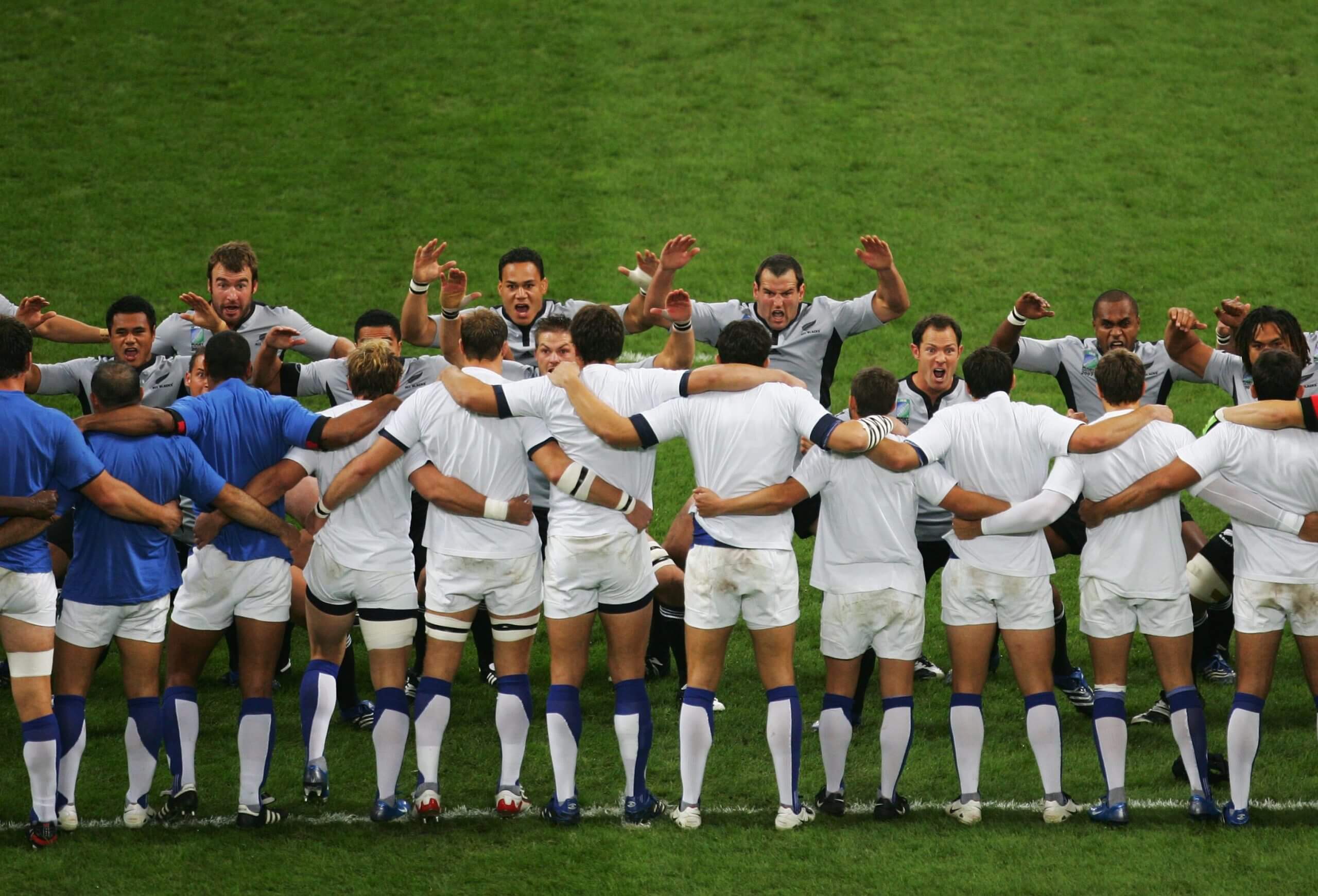
The haka is a ceremonial Maori dance, performed by the New Zealand rugby union team, and it has become synonymous with rugby itself. The All Blacks exhibit this ritual before their matches, capturing the attention of fans worldwide.
In Baltimore, a crowd of 71,000 at M&T Bank Stadium will witness the All Blacks perform the haka against South Africa, marking the first encounter between these rugby powerhouses on American soil.
Two decades ago, the haka faced criticism from rival teams, claiming it provided New Zealand an unfair advantage before kick-off. Tana Umaga, a former All Black, shares these sentiments.
Umaga sought guidance from Maori elder, Derek Lardelli, to understand the significance of the haka to their team. The explanation provided by Lardelli emphasized the profound connection to ancestors and the land. This inspired Umaga and Lardelli to create an additional haka, Kapa o Pango, representing the ‘Team in Black.’ The message was clear: unity and strength emerge when players become one with the land.
The introduction of Kapa o Pango added a dimension to the traditional version, Ka Mate. In 2005, Umaga’s team first showcased Kapa o Pango against South Africa, attracting attention for its distinctive elements.
Today, Scott Barrett, captain of the All Blacks, highlights the importance of Kapa o Pango. It unifies players across cultural backgrounds, strengthening their identity as representatives of New Zealand.
The choice of haka depends on occasions and leadership decisions, often selecting Kapa o Pango for crucial matches such as the series against South Africa.
In recent matches, Ma’a Nonu, a former All Black center, performed a one-man haka, highlighting respect for the tradition. South Africa, led by coach Rassie Erasmus, acknowledges the haka’s significance, abstaining from any antics during its execution. Yet, historically, rival teams have developed strategies to respond to the haka, with mixed results.
Recently, the International Rugby Board has implemented rules concerning the haka, ensuring teams remain within their territory during its performance. This regulation fosters respect, focusing on the tradition’s esteemed heritage.
Fans often react through song, creating a dynamic atmosphere. Despite the differences in response, tomorrow’s match in Baltimore serves as an opportunity for both teams to showcase their prowess, concluding the series.
Umaga believes in the significance of the challenge the haka represents. It embodies the spirit of representing New Zealand’s diverse backgrounds, showcasing the strength of unity.
The haka remains a central element in rugby, highlighting significance, strength, and identity.
Through the years, its transmission from past to present has ensured its continued legacy in the sport.