The Transformation of Lower Manhattan
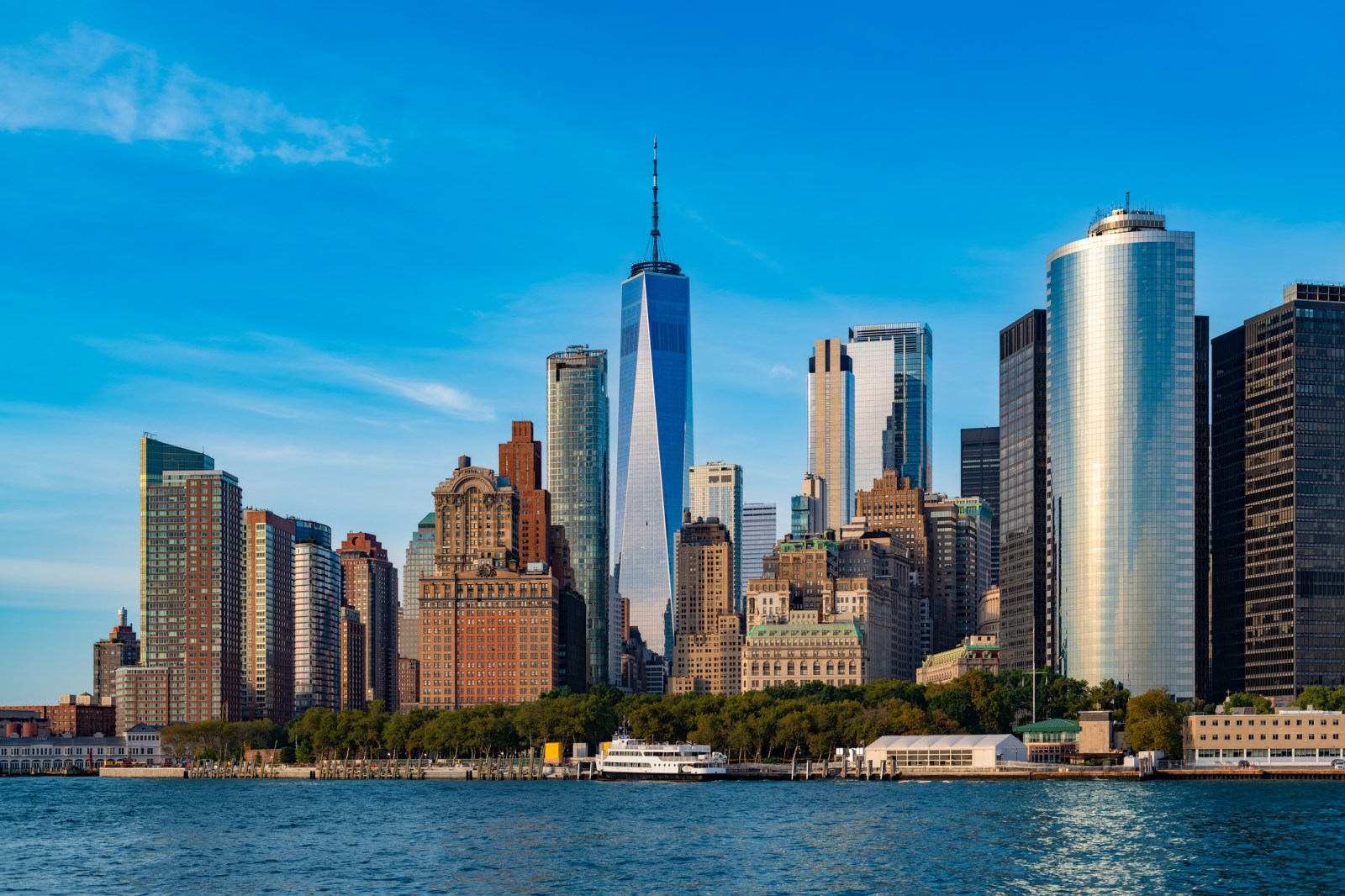
Stepping into New York City for the first time can feel like entering a film scene. Many first-time visitors find the streets and sights familiar from countless movies and shows. Yet, for me, the city holds a personal familiarity—it’s my home. Growing up across three boroughs, I spent my high school years in Lower Manhattan at Stuyvesant High School, graduating in 2000, just before the September 11 attacks.
On September 11, 2001, I was at a lecture at Binghamton University when our professor dismissed the class. There was an urgency to contact my family back home. Stuyvesant High School, near the World Trade Center, served as an emergency center post-9/11. Students later continued classes in different buildings before returning.
Visiting Stuyvesant years later before the 9/11 anniversary brought back memories. The unchanged metal doors and Battery Park City’s green spaces offered comfort. Many landmarks like the New Amsterdam Library and local schools remained, yet the area’s atmosphere has transformed since my school days.
Lower Manhattan’s Financial District was synonymous with office workers and an empty night scene. After 9/11, the area felt deserted due to companies leaving over air quality concerns. Dana Tamuccio, a historian and founder of Vibe NYC Tours, noted that residential development was key to the area’s revival. Office-to-residential conversions, including 55 Broad Street and 25 Water Street, played major roles in transforming the area.
New luxury developments like The Greenwich tower highlight the changes, influenced by the architect Rafael Viñoly. Population data shows Community District 1 experienced a 28.6% increase from 2010 to 2020. Lower Manhattan now houses around 70,000 residents. The Financial District’s popularity surged, evidenced by a 46.7% increase in home search activity.
The area’s identity has shifted from purely financial to a vibrant community. Residents now enjoy a mix of dining and retail options, making it a lively to place to live and socialize. Artist Tom Christopher noted the area’s transformation into a genuine neighborhood where people live, work, and create.
The new identity includes eateries like Blank Street coffee chain and Leon’s Bagels, where queues reflect the neighborhood’s new appeal. Koba, a Korean barbecue spot, adds international flavor to the area. Public spaces with greenery now offer tranquility amid the bustling district. Teresa Stephenson from Platinum Forbes Global Properties remarked on the convenience these changes bring to residents.
Tourists have also contributed to a thriving Lower Manhattan. There were 8.1 million tourists in 2025, up by 244% from 2020. New hotels, including the W New York Downtown Hotel & Residences, emerged post-9/11. The Four Seasons Hotel New York Downtown further marks the area’s recovery.
For Tamuccio, the area’s evolution signifies New York’s resilience. Artist Tom Christopher echoes this sentiment, emphasizing that Lower Manhattan has become more culturally resonant. Returning there made me realize New York’s enduring spirit, akin to reuniting with an old friend or family member.