Debate Over AI Moratorium Raises Concerns About Innovation and Security
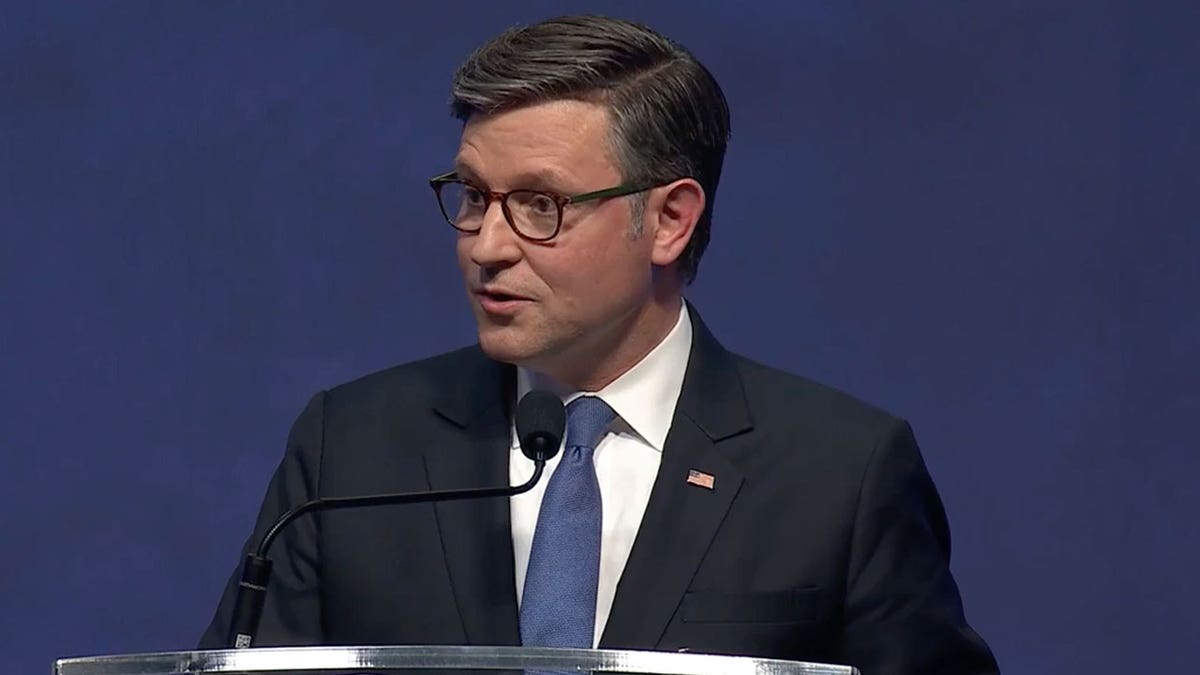
House Speaker Mike Johnson from Louisiana firmly rejected a proposed emergency moratorium on artificial intelligence development. During an interview on CNN’s “State of the Union,” he warned that slowing American progress could allow China to advance further. Johnson emphasized that tech leaders and policymakers need to collaborate to find the right balance. Stopping AI development could give China an edge in technology.
Amy Kremer, a Republican National Committee member and chairwoman for Humans First, spoke to Fox News Digital about the need to implement safeguards that do not compromise America’s technological lead. Kremer stressed the importance of protecting children, workers, and national security while ensuring that China’s AI advancements don’t surpass those in the United States.
Kremer, who has been vocally critical of the expansion of AI data centers, stated that Congress should maintain state and local oversight of infrastructure required for AI technology. Humans First, a conservative movement, opposes generalized data center moratoriums but advocates for local control and opposes eminent domain for such projects. Kremer noted the importance of local communities having a say in project locations and knowing the identities of companies involved before decisions are finalized.
The debate around AI gained momentum after Anthropic CEO Dario Amodei called for slowing the development of advanced AI models. This viewpoint received backing from xAI founder Elon Musk and OpenAI CEO Sam Altman, highlighting concerns about the pace of AI development.
Artificial intelligence poses risks, such as enabling scammers to produce authentic-looking messages, mimic voices, and create false identities and videos aimed at deceiving victims. Concern about infrastructure for AI growth has led to public opposition, with a July Fox News poll showing 70% of registered voters against constructing AI data centers in their neighborhoods.
The Trump administration responded to concerns about electricity costs with the Ratepayer Protection Pledge. This pledge obliges AI companies and data-center operators to finance necessary power generation and infrastructure, preventing costs from being transferred to customers.
Kremer urged that consumer protection should extend beyond just electricity prices. Americans shouldn’t bear extra costs due to higher electricity bills, tax breaks for Big Tech, or loss of farmland.
Johnson is calling for AI executives and policymakers to address national security and safety issues collectively. He suggested convening stakeholders at the White House to discuss and resolve these matters.