Study Links Nighttime Light Exposure to Cardiovascular Risks
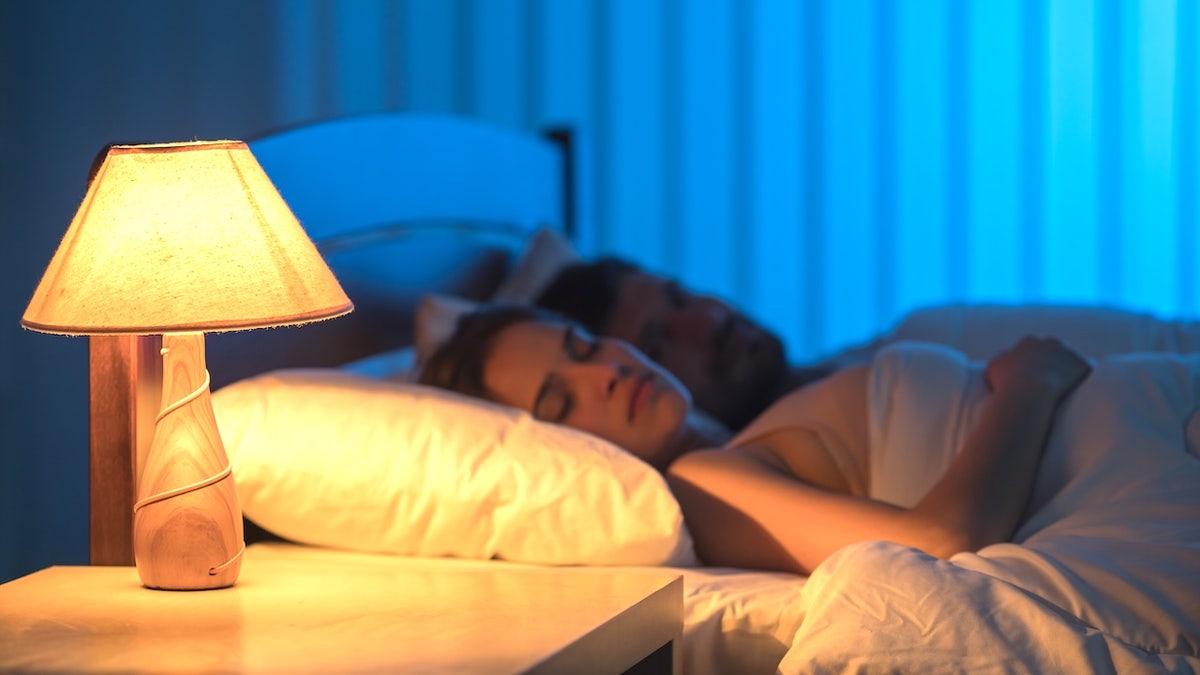
A recent study from Tulane University has highlighted concerns about sleeping with a light on at night. The research associates exposure to light levels above 3 lux, similar to moonlight brightness, with heightened risks of cardiovascular issues, such as heart failure, atrial fibrillation, heart attack, stroke, and cardiovascular death.
Impact on Circadian Rhythm
Circadian rhythm, the brain’s internal 24-hour clock, plays a crucial role in regulating sleep and wakefulness. According to Chelsie Rohrscheib, Ph.D., a sleep expert and neuroscientist, exposure to light enters the eyes and signals the brain to suppress melatonin production. Melatonin is a hormone essential for regulating sleep timing. Low light levels, conversely, promote melatonin production, preparing the brain and body for sleep. Light pollution in the bedroom can interfere with this process, reducing melatonin levels and negatively impacting sleep quality.
Health Concerns
Consistent exposure to light can chronically reduce sleep quality. Rohrscheib noted that sleep is integral to numerous biological processes, including body and brain restoration, hormone release, immune functioning, cognitive processes, and metabolic regulation. Poor sleep can elevate the risk of chronic conditions such as hypertension, cardiovascular disease, stroke, type 2 diabetes, obesity, neurodegenerative diseases, certain cancers, and mood disorders.
Effects on Different Groups
Some groups may be more sensitive to nighttime light exposure than others. Shift workers, children, older adults, and those with insomnia or mood disorders are particularly vulnerable. Alex Dimitriu, M.D., a sleep medicine doctor, pointed out that older adults typically become less sensitive to light, yet they often experience higher sleep disruption. He recommended blackout curtains but mentioned absolute darkness isn’t necessary for healthy sleep.
Light Types and Their Impact
Blue wavelength light from TVs and phones is particularly disruptive as it maximally suppresses melatonin due to retinal sensitivity. Dim, warm, red-toned night lights are less impactful on the circadian rhythm, resembling colors seen around sunset. These longer-wavelength lights don’t hinder melatonin production to the same extent.
Practical Changes for Better Sleep
Experts suggest several adjustments to enhance sleep quality, even without complete darkness:
- Turn off harsh overhead lights one to two hours before bed.
- Position night lights near the floor.
- Use dimmer bulbs with warmer tones, like orange, amber, or red.
- Avoid screens, such as computers and phones, at least one hour before bedtime to reduce brain stimulation.
- Layer window treatments to diminish bright light from outside.
- Consider a sleep mask to minimize light pollution affecting sleep quality.