EPA Repeals Greenhouse Gas Limits on Power Plants
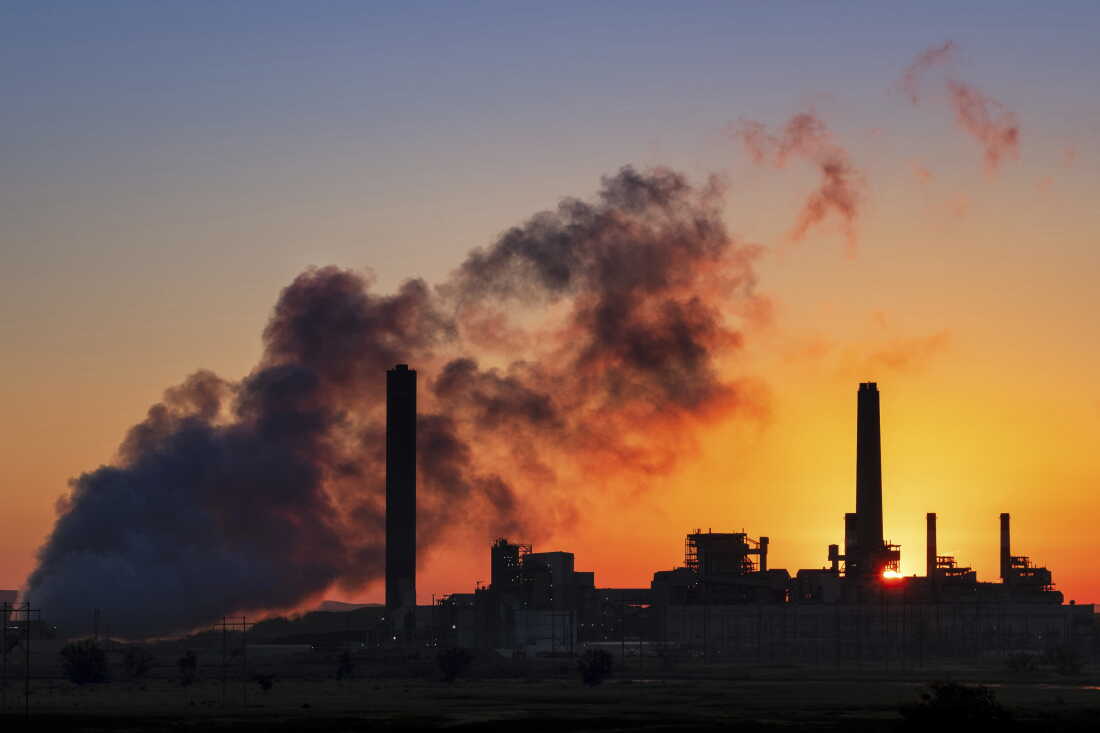
In July 2018, a coal-fired power plant stood silhouetted against the morning sun in Glenrock, Wyoming. Now, the EPA has announced the repeal of controls on greenhouse gas emissions from fossil fuel-fired power plants. This marks a significant deregulatory move by the Trump administration.
The decision overturns rules established under former President Biden. These rules required significant carbon dioxide reductions from coal and new natural gas plants starting in the 2030s. Human activities, particularly carbon dioxide emissions, are major contributors to global warming. Power plants are the second-largest source of carbon dioxide in the U.S., following transportation.
At a press conference, EPA Administrator Lee Zeldin cited previous policies as hurdles that raised energy costs and stifled the nation’s energy capabilities. He proclaimed the enforcement of such regulations by former administrations over. However, solar and wind projects now offer cheaper energy solutions compared to natural gas and coal, according to Lazard.
The U.S. hosted the G20 Energy Summit in Houston, where Zeldin reiterated plans to rescind all remaining greenhouse gas standards for power plants. Environmental advocates argue this move will escalate pollutants harmful to public health. Gudrun Thompson from the Southern Environmental Law Center emphasizes the importance of these rules in protecting health from air pollution dangers.
Former President Trump has long been skeptical of climate science, dismissing climate change as a fabrication. Repealing these regulations undermines the previous administration’s climate agenda, complicating future efforts to curb greenhouse gas emissions.
The legal precedent for regulating climate pollution began with the 2007 Supreme Court case Massachusetts v. EPA, which mandated the EPA to regulate such emissions under the Clean Air Act. By 2009, the EPA recognized greenhouse gases as threatening to health. The Obama administration proposed the Clean Power Plan in 2014 to cut emissions, which faced legal setbacks and was ultimately unenacted. Nonetheless, emissions fell as natural gas and renewables replaced coal.
Under Trump, the Clean Power Plan was replaced by a more lenient rule, which Biden later countered with strict climate goals for 2035. However, a 2022 Supreme Court decision curtailed the EPA’s regulatory scope, prompting it to focus on individual plants.
Now, the Trump administration’s repeal is in play as recent records show alarming climate changes. July marked the hottest month ever, signaling the urgent need for emission limits. Columbia University’s Michael Gerrard warns that 2026 might become the hottest year recorded, highlighting the urgent need for thoughtful regulation.