NASA’s Cost-Saving Measures Disrupt Key Projects at Goddard Space Flight Center
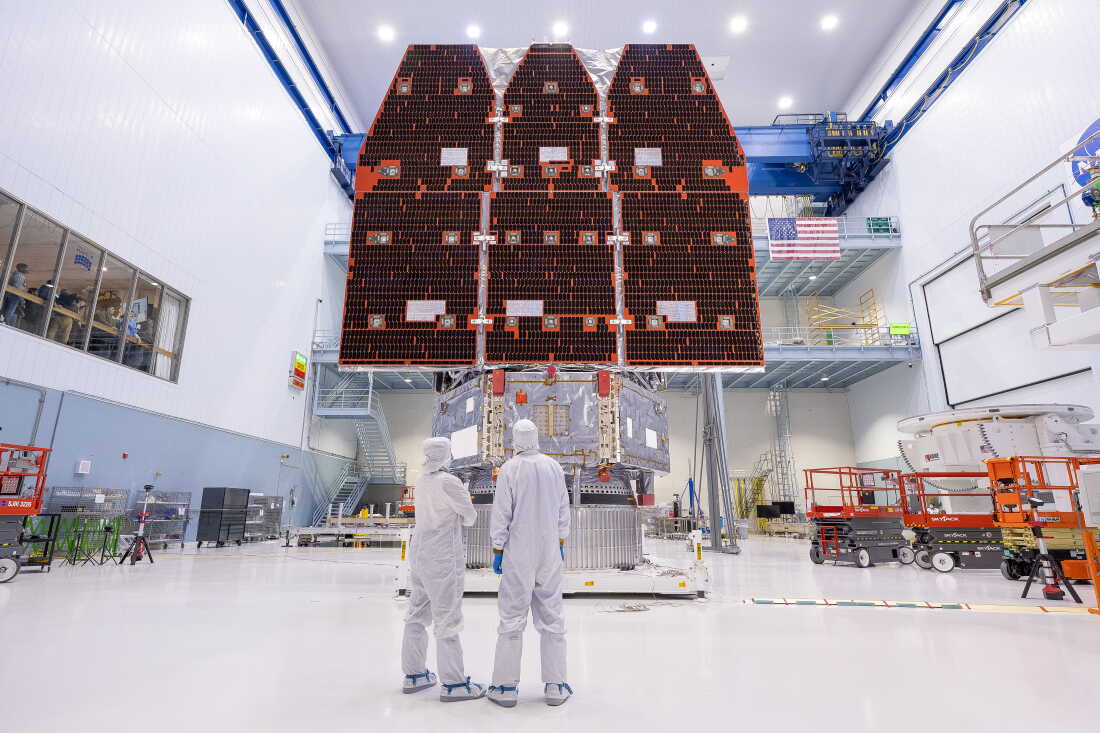
At the NASA Goddard Space Flight Center in Greenbelt, Maryland, technicians are connecting the inner and outer segments of the Nancy Grace Roman Space Telescope in 2025. This is taking place following its launch from the Kennedy Space Center in Florida, a mission costly and expansive in nature, requiring fifteen years and $4 billion of preparation. The telescope is expected to provide data on the universe’s expansion and uncover hidden planets. However, engineers expressed concerns, as even minor errors can jeopardize the mission.
Main challenges have been posed by management decisions that necessitate frequent relocations of scientists, impacting their work on the telescope. Since November, NASA scientists were hastily moved from their labs, losing sensitive equipment in the process. Those working with the propulsion system reported having to use less precise tools, while the radio communication lab found itself without critical equipment for testing the telescope’s antenna. One engineer expressed the inability to work without their $6 million antenna chamber.
NPR received reports from various NASA employees who confirm that such moves are detrimentally affecting projects. Despite NASA’s intention to decrease costs and eradicate redundancies, the agency’s actions are halting its mission progress. Goddard’s aim to maintain its lead in space exploration is compromised by reduced workspace capacity and delays in spacecraft production.
Custom-built rooms and equipment are essential for building spacecraft. Engineers assembling the telescope at Goddard’s clean rooms and labs voiced the risks involved. Project GRITSS is one such venture rushed to launch without adequate testing, putting its satellite mission to track Earth’s water levels and landmasses at risk.
Relocating labs during a governmental shutdown deprived engineers of their tools, and key materials were removed without consent. Facilities needed for important projects like the Venus spacecraft, DAVINCI, remain inaccessible. This inhibits advancing with component checks and necessary assessments.
NPR interviews contradict a NASA report from the Office of Inspector General, which claimed lab relocations didn’t affect mission plans, yet internal communications expose flawed handling of equipment. Tracking assets described as scrap or salvage reveals that many items including lab gear and telescopic components were auctioned with improper adherence to rules.
Entities like the U.S. General Services Administration auctioned restricted items pivotal in missile technology and national security. NASA’s equipment donated to Capitol Technology University lacked consultation with scientists who used them, prompting distressed reactions from affected personnel.
The workforce at Goddard diminishes amid substantial reductions. With concerns mounting, further scientist departures signal discontent with NASA leadership’s decision-making. Surveys reflect that a significant portion of engineers plans to leave, coinciding with potential budget cuts proposed in future fiscal requests.
The repercussions of these decisions are alarmingly evident. Deep concerns resonate among remaining personnel, who recognize the enduring impact this has on NASA’s operational and research capabilities.