Indiana Black Legislative Caucus Pushes for Utilities Legislation Improvements
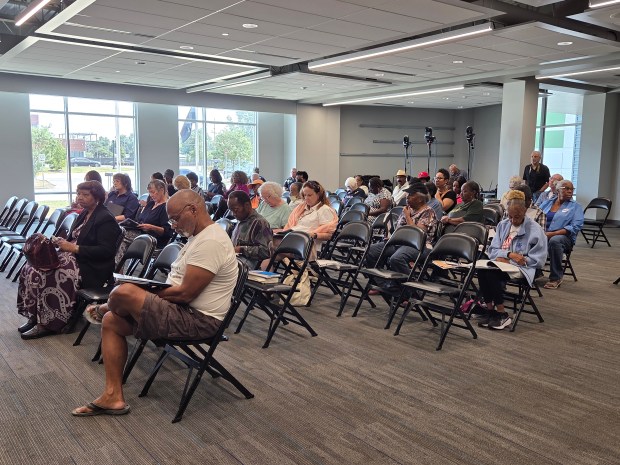
Before the derecho hit on August 11, the Indiana Black Legislative Caucus (IBLC) was focused on utilities legislation. With communities now dealing with power issues, the caucus is determined to improve House Enrolled Act 1002. This commitment was shared during a town hall at the Hammond Sportsplex.
State Representative Cherrish Pryor noted that while HEA 1002 offered some benefits, it fell short of expectations. Pryor highlighted provisions such as changing budget billing to ‘levelized billing’ and ensuring billing reconfigurations occur twice annually. Importantly, the bill also introduced a moratorium on disconnect notices in extreme temperatures to prevent tragedies.
The legislation now requires utilities seeking rate increases before the Indiana Utility Regulatory Commission to present metrics on service performance and affordability. During the town hall, State Senator Mark Spencer emphasized the severe impact of extended power outages on food, medicines, and businesses, revealing ongoing investigations into the matter.
Other legislative successes include Senate Enrolled Act 164, focusing on urban micro farms, and SEA 232, which stops City of Gary officials from purchasing appraised properties. House Bill 1114 ensures treatment for Stage 4 cancer patients under Medicaid or HIP.
Senator La Keisha Jackson expressed concerns over Senate Bill 277, signed by Governor Mike Braun, which makes certain environmental management functions optional, potentially worsening Indiana’s pollution issues.
Despite successes, some important bills did not pass. These included bills banning the sale of license holder information and restoring property tax deductions for surviving World War I veterans’ spouses. Data center studies on water use and utility regulation also failed to pass.
State Representative Earl Harris Jr. hopes for a break in the supermajority following November elections, allowing more IBLC initiatives to be considered. He cited the Spencer Deery case, where an election decided by three votes demonstrated the importance of each ballot. This case involved a reversal by the Indiana Supreme Court, declaring Deery the winner in the May primary after previously disallowed ballots were reconsidered.
Michelle L. Quinn is a freelance reporter for the Post-Tribune.