Worsening Hunger Crisis in Chicago: A Wake-Up Call
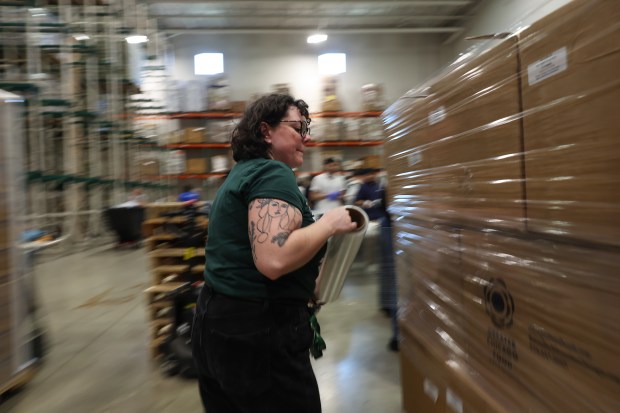
A report from Chicago’s leading anti-hunger organization highlights a growing hunger crisis in the city and surrounding areas. Economic pressures, affordability challenges, and cuts to assistance programs contribute to this severe problem. As of June 2026, data compiled by the Greater Chicago Food Depository reveals that about 417,000 Chicago households, or roughly 1 in 3, face food insecurity, lacking consistent access to sufficient food.
The highest food insecurity rates exist on Chicago’s South and West sides. Kate Maehr, CEO of the Greater Chicago Food Depository, stressed the gravity of the situation, noting nearly half of households with children are food insecure. Maehr warned of long-term implications, emphasizing that the issue hinders children’s access to nutritious food necessary for healthy living.
Food insecurity reflects broader economic instability rather than a lack of effort, Maehr noted. Most adults in food-insecure households are employed or incapable of working due to age, disability, or other circumstances. Among these households, 56% of adults are employed but grapple with affording food alongside housing, healthcare, and other essentials. Additionally, 12% of food-insecure adults are not working due to disability, while 11% are retired seniors.
The report highlights significant regional disparities in Chicago. Systemic inequity, structural racism, poverty, and historical disinvestment are root causes of hunger. On the South Side, 41% of households face food insecurity, while the West Side sees 45%. These neighborhoods have experienced decades of underinvestment, leading to fresh food scarcity, noted Saria Lofton from the University of Illinois Chicago’s Department of Population Health Nursing Science.
The crisis puts people at risk of food, housing, and job insecurity, contributing to high stress levels. Benefits reduction compounds the issue, as households delay or skip payments on other essentials to afford food.
Reductions in the Supplemental Nutrition Assistance Program (SNAP) due to recent legislation have worsened the crisis. Between 173,000 and 200,000 Illinois residents lost SNAP benefits due to February’s policy changes. The federal government also tightened noncitizen eligibility, further affecting thousands.
Local food pantries play a crucial role in feeding vulnerable communities but cannot fill the gap left by reductions in the nutrition safety net. Organizations like New Life Centers serve 600-750 families weekly by offering supplemental food assistance.
In addressing food inequality, new initiatives, like Illinois’ FRESH program, support families by providing targeted cash deposits to alleviate strains on grocery budgets. The Greater Chicago Food Depository likewise works with partners like City Colleges of Chicago to launch community solutions such as the Statesman Market.
Systemic gaps exacerbate the crisis, as demonstrated by food service strikes affecting Chicago Public Schools’ summer camps, depriving children of expected meals. Rising costs of summer camps have left many parents unable to rely on this resource for feeding their children.
Surveys conducted by NORC at the University of Chicago, funded by the Greater Chicago Food Depository, drew insights from 1,194 Chicago residents aged 18 and older. Maehr views these findings as a dire wake-up call for future action.