Understanding Long COVID and the Search for Biomarkers
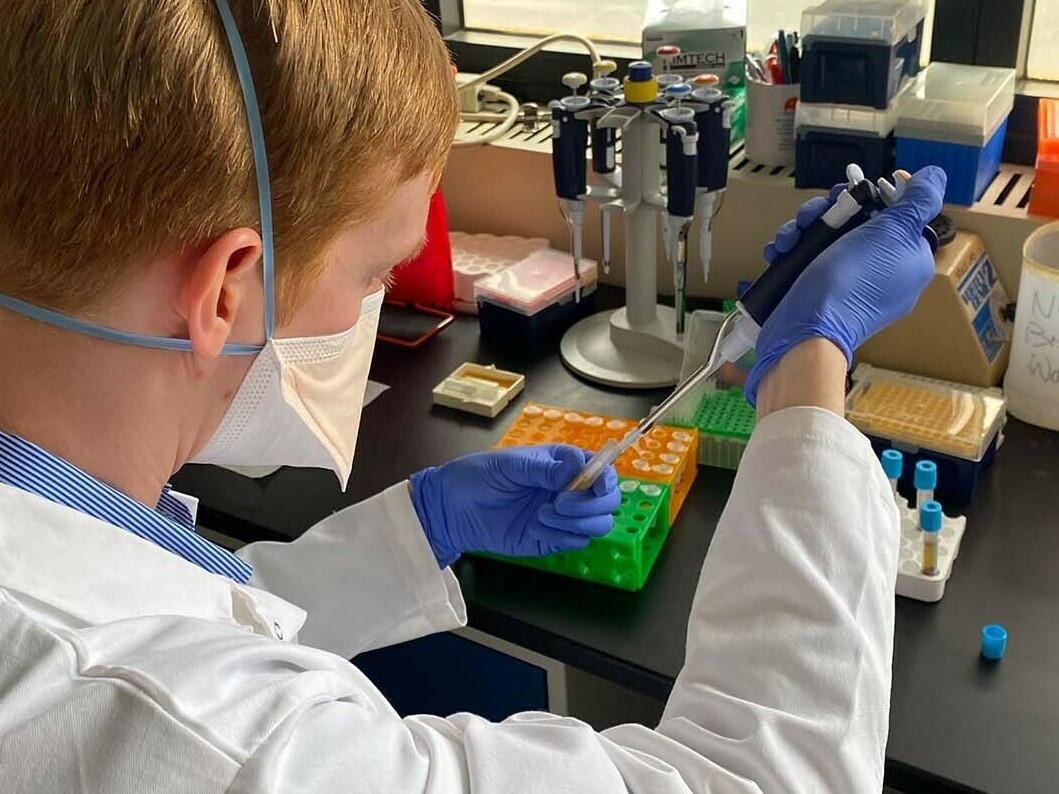
Research is underway to tackle the lingering issues of long COVID. Graduate researcher Bradley Wade Hamilton, as part of his study, works with blood samples to identify microclots. Despite the official end of the federal COVID-19 public health emergency, millions continue experiencing long COVID symptoms. This condition affects over 65 million people globally and includes a wide range of symptoms following SARS-CoV-2 infection. However, no definitive diagnostic test exists yet.
Blood Clotting Insights
Initially, COVID-19 was seen primarily as a respiratory disease. Resia Pretorius, a professor from Stellenbosch University, noticed blood-related symptoms similar to other diseases she had studied, such as diabetes and arthritis. Blood samples from COVID patients indicated severe clotting issues.
Pretorius and her team focused on the blood of long COVID patients to decode the disease. They found that the spike protein in COVID-19 could transform soluble clotting proteins into insoluble microclots. While some people recover, others experience lingering microclots, blocking blood flow and damaging blood vessels, which could explain long COVID symptoms.
Searching for a Biomarker
Lack of clear testing methods makes it difficult to diagnose long COVID, causing patient care challenges. Pretorius aims to develop better testing methods to identify high levels of microclots in patients. David Putrino from Mount Sinai Health System hopes these tests could aid other post-viral illness diagnoses too.
Pretorius and Putrino’s research links hyperactivated platelets and microclots to the functional issues in long COVID patients. Traditional blood panels often miss these factors, leading to missed diagnoses. Their goal is to create an accessible mainstream test.
Clinical tests of long COVID patients have shown consistent microclots, a pattern absent in those fully recovered or never infected. This could serve as a biomarker for long COVID.
Potential Treatments and Challenges
If microclots are exclusive to long COVID patients, they could guide treatment validation,says Roy Silverstein, a hematologist not involved in the research. Like other blood-clotting diseases, long COVID involves unique proteins, forming abnormal fibrin structures.
Pretorius’s team works intensively to aid long COVID patients promptly. Their landmark work gains both scientific respect and practical importance. Hannah Davis, with long COVID since 2020, emphasizes the urgency and impact of their research.
Funding and Future Directions
The project received support through crowdfunding, shown as crucial in obtaining equipment like the flow cytometer needed for research. Using this, Pretorius aims to develop methodologies applicable in clinical settings.
Long COVID patients often endure poor quality of life. Pretorius’s swift crowdfunding success underlines research importance amid slow traditional grants. Her work, alongside patient advocates like Davis, aims at impactful, timely change.
For more insights, contact Short Wave at [email protected]. This article draws on NPR’s Short Wave episode produced by Margaret Cirino and Berly McCoy and fact-checked by their team.