Democrats’ Newest Challenge: Balancing Party and People’s Interests
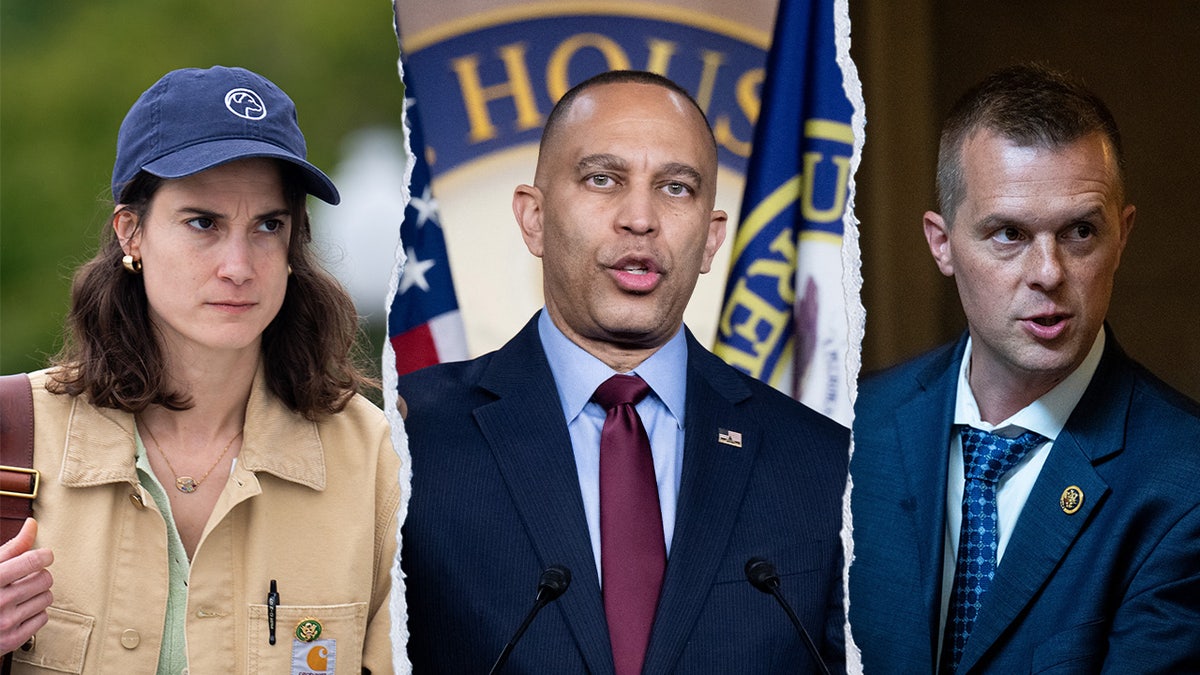
Democrats in Washington face a new controversy by representing the interests of the American people. Representatives Jared Golden of Maine and Marie Gluesenkamp Perez of Washington went against their party on September 1. They helped advance a procedural rule allowing the House to consider Golden’s Northeast Lobsterman Protection Act and a resolution condemning socialism. The rule passed with a tight vote of 210–208; five Republicans opposed the rule, making Golden and Gluesenkamp Perez’s votes critical.
House Minority Leader Hakeem Jeffries and other Democratic leaders criticized these representatives for blindsiding the party. They described their actions as a ‘significant breach of trust’ and planned to review the situation through the Committee on Caucus Rules. This incident highlights a conflict: supporting Maine lobstermen against stringent regulations and allowing a vote against socialism now seem politically controversial within the Democratic Party.
The Democratic leaders argue their concern lies in House procedures, not the lobstermen. However, this distinction is lost on many Americans who look to their representatives for protection of local industries. Golden co-sponsored a bill defending Maine’s valuable lobster industry, supporting thousands of jobs and communities.
Gluesenkamp Perez represents an area in southwest Washington where fishing and natural-resource industries are vital. Both representatives prioritized the interests of workers over mandates they viewed as impractical. Golden questioned the expectations of Democratic leaders, asking if he should return to his constituents with the excuse of party loyalty over their needs.
The timing of this vote and the Democratic leadership’s response risks alienating much of the working class. A recent Pew Research Center study revealed that 60% of adults identify as working class, an increase from 54% in 2024. This group includes half of college graduates and individuals with higher incomes, and 77% of blue-collar workers.
Working-class identity spans income, race, and education, forming a broad political base. These voters may not be versed in procedural details, but they understand the realities of fishermen, farmers, tradesmen, and small-business owners, whom Golden and Gluesenkamp Perez supported. Democratic leaders’ punishment of such protective actions highlights a preference for partisan loyalty over working-class interests.
This approach is risky since Democrats hold a precarious lead on addressing the cost of living, a key midterm issue. A Reuters/Ipsos poll found voters favor Democrats over Republicans, 36% to 28%, on this issue, but 37% neither side or were uncertain. This suggests reliance more on voter frustration than confidence in Democrat economic plans. By targeting members who defend workers, Democrats risk a Republican narrative: Democrats oppose you.
As Republicans capitalize on this situation, they emphasize the tangible effects of current agendas on American families. They argue for prosperity through individual freedom to work and pursue goals without government constraints. They warn that increased government control results in higher taxes, stronger regulations, and rising costs, reducing resources and opportunities for workers, families, and small businesses.
Democratic leaders have inadvertently disclosed their priorities: loyalty to the party precedes allegiance to working Americans. As November approaches, the outcome will rest on the decisions of the working class.
Mehek Cooke, an attorney and political strategist, provides this analysis.