Trump-Xi Summit: AI and Technology Competition
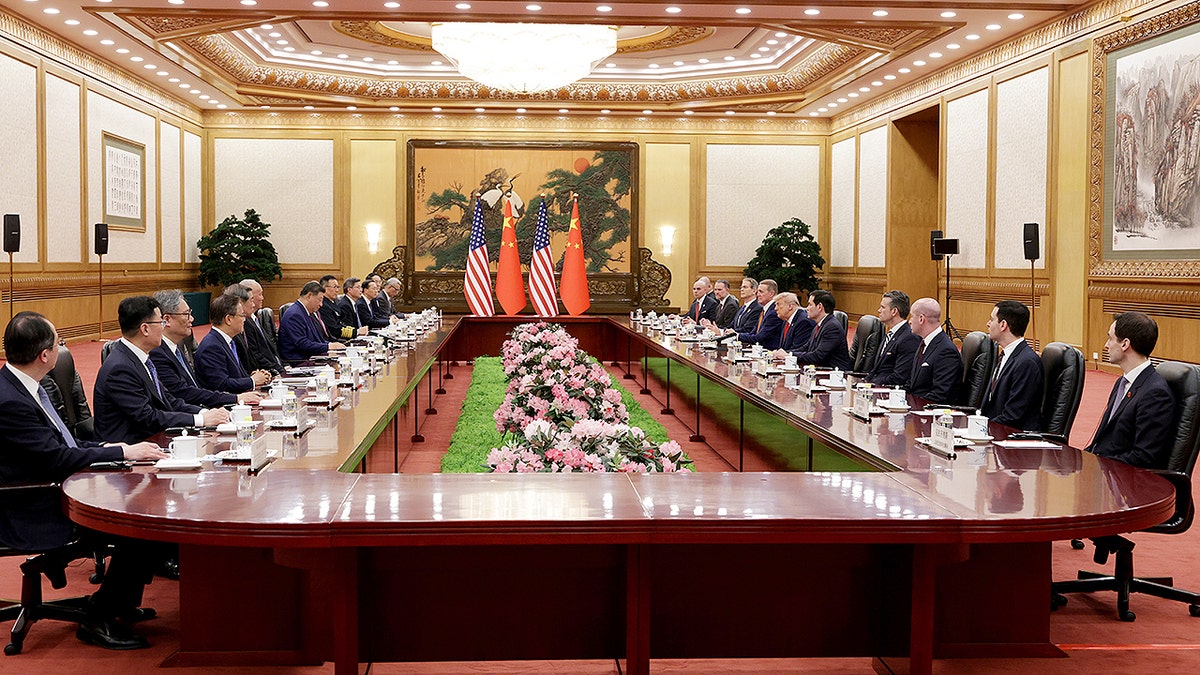
When President Donald Trump and Chinese President Xi Jinping meet in Washington this week, their agenda includes trade, tariffs, rare earth minerals, national security, and supply chains. But artificial intelligence, a pivotal element in shaping economic and military power, dominates the backdrop. The challenge extends beyond building superior AI models. It hinges on controlling the essential components: chips, computing infrastructure, and technology ecosystems.
The U.S. leads in AI technology and semiconductor design. However, China is determined to reduce its reliance on American technology. Huawei plays a key role in this effort. This situation warrants significant attention from Washington.
For years, the U.S. has imposed export controls to limit China’s access to advanced semiconductors and technology with potential military uses. These controls aimed to prevent strategic competitors from enhancing their military capabilities. An unintended result was China’s intensified efforts to build an independent AI ecosystem.
Huawei expanded its Ascend AI-chip roadmap. Chinese developers adapted software for domestic hardware. They invested in computing systems to bridge performance gaps. Huawei now reports high demand for AI computing equipment within China. They aim to advance their processors and connect vast numbers of chips through massive computing systems.
This shifts the strategic question facing Washington. How can the U.S. ensure the global market still chooses American technology over China’s? If American technology becomes inaccessible, China has incentives to develop alternatives, motivating Huawei to pursue global sales.
The competition involves not only chips but the ecosystem as a whole. America prefers a world that utilizes American chips, software, standards, and innovation. Conversely, China seeks to establish its own technology stack.
The Trump administration’s approach differed from the previous one. They rescinded certain AI rules while maintaining controls on technologies critical to national security. They allowed specific chip sales to approved Chinese customers under strict conditions. This is about safeguarding national security while remaining commercially competitive.
Efforts continue to keep certain tech out of China’s reach, especially concerning military AI and surveillance. However, excessively restrictive policies could drive China to replace American technologies. Huawei does not seek mere survival but competitive advantage.
The competition extends to tech choices worldwide: which chips countries purchase, which systems they install, and which software ecosystems prevail. American companies must maintain a central role in this global tech ecosystem. The U.S. shouldn’t repeat past mistakes where strategic manufacturing capabilities migrated abroad.
America’s technological leadership demands vigilance. Disrupting U.S.-founded policies could hinder its tech’s global accessibility, providing China opportunities to develop alternatives aggressively.
Finally, the nations and corporations leading in advanced computing will control significant influence across various sectors. The Trump-Xi meeting symbolizes more than mere trade and diplomacy. It represents a contest over 21st-century technological infrastructure.
The U.S. must protect sensitive technologies, intellectual property, and military-critical technologies. At the same time, American companies should continue to innovate globally, ensuring countries opt for an American ecosystem over Huawei’s.
The AI Cold War has commenced, and the battle centers on semiconductor technology.
Ben Ferguson, nationally syndicated radio host, discusses these complexities in technology politics.