Implications of F-35 Fighter Jet Sale to Saudi Arabia
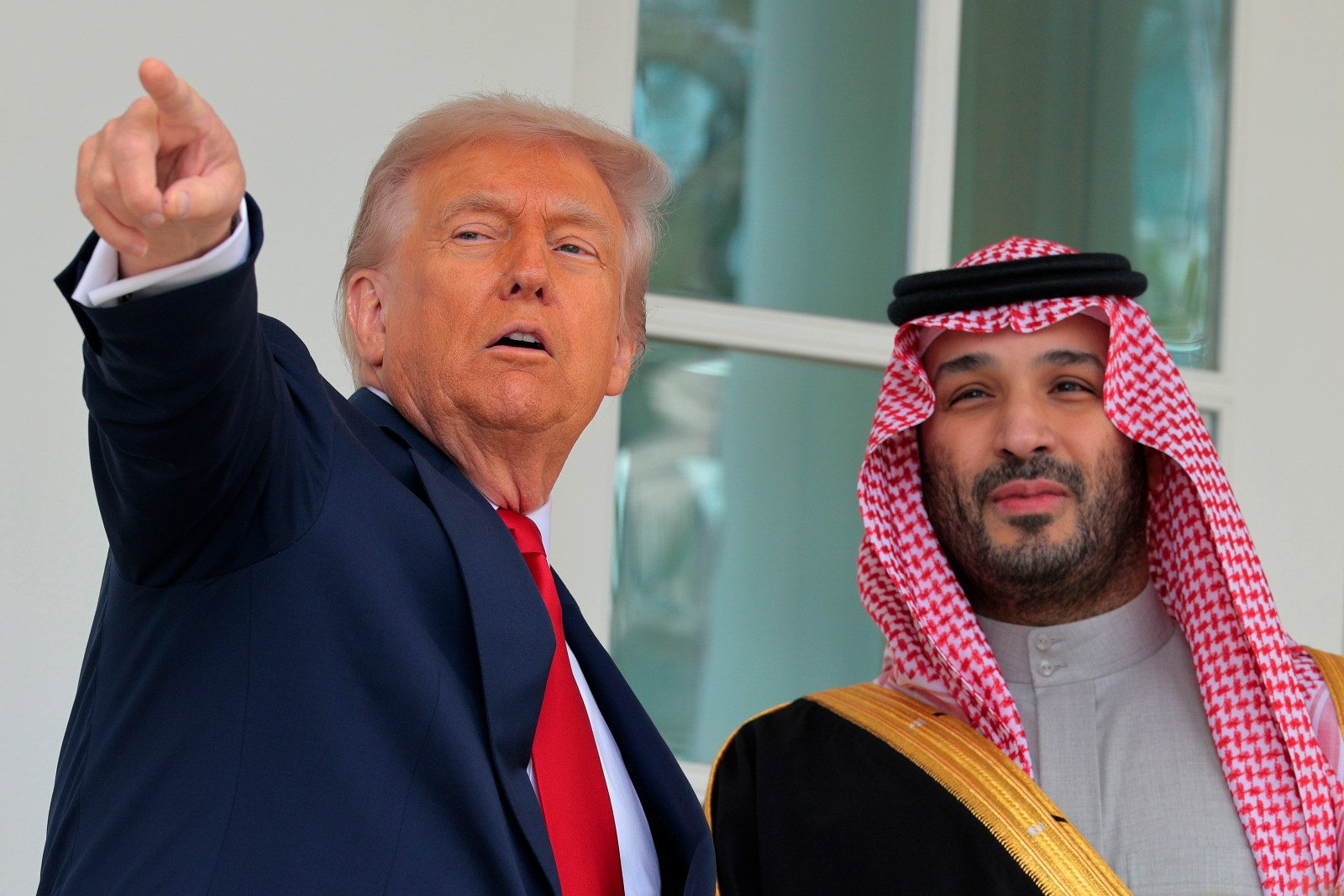
The White House has approved the sale of advanced F-35 fighter jets to Saudi Arabia, reflecting President Donald Trump’s strategy to shift the responsibility of Middle East deterrence to regional allies. This move carries risks, as congressional approval is needed and the jets will not be delivered for years. Rising oil and gas prices, affected by conflicts between U.S. and Middle East partners and the Axis of Resistance led by Iran, won’t be immediately controlled.
Israeli officials criticized the sale without normalization of ties, worried it might weaken the Israel Defense Forces’ aerial dominance. Some U.S. lawmakers warn the deal could endanger U.S. military technology if shared with nations like China, which has close ties to Saudi Arabia. Despite this, the decision significantly impacts both Washington and Riyadh amid regional instability, particularly with Yemen’s Iran-aligned Houthi movement.
“The U.S. approval of F-35 sales to Saudi Arabia marks a shift in traditional security alliances,” said former Saudi diplomat Saad Abdullah Al Hammad. He noted the U.S. is reducing direct military support to Riyadh while arming allies with advanced deterrence tools.
Saudi Arabia, historically uncolonized and a leading oil producer, has had strong ties with the U.S. since World War II. With Crown Prince Mohammed bin Salman’s Vision 2030 plan, the Kingdom aims to diversify its economy beyond energy sales and enhance security cooperation. This includes strengthening ties with China and Russia and defense agreements with Pakistan and Turkey.
Trump’s burden-sharing policy involves granting military delegation to regional partners while securing defense contracts to boost the U.S. military-industrial complex. Riyadh seeks strategic independence, moving away from sole reliance on U.S. security, prompting diversification of military and diplomatic options.
The F-35 jets will equip the Royal Saudi Air Force with modern stealth capabilities to counter threats from Ansar Allah and other Axis of Resistance groups. The usefulness of the aircraft was highlighted when an older Saudi F-15 was downed by Ansar Allah in Yemen. Officials argue these fighters also challenge Israel’s military monopoly in the region.
For Israel, the deal is seen as challenging. While Israel has been the only Middle Eastern country with F-35s, concerns persist over Saudi access to this technology. Prime Minister Netanyahu was open to Saudi acquisition if diplomatic relations were established, which has yet to happen.
The U.S.-Saudi nuclear cooperation agreement proceeded without normalization pledges, similar to the F-35 sale. The mutual defense pact between Saudi Arabia, Turkey, and Pakistan sends messages to both Iran and Israel.
“Concerns arise with the sale,” said former Israeli Ambassador Michael Oren, citing technology risks and future government stability. “These concerns are long-standing.”
The F-35 sale may prompt Saudi Arabia to pursue diplomatic compromises over confrontation with Iran and its allies. Ansar Allah has expressed readiness for escalation, but some like Annelle Sheline suggest negotiations to avoid Iraq and Afghanistan-like insurgencies.
Trump faces challenges with surging fuel prices amid the Iran conflict and Russia-Ukraine war. Strikes on refineries have impacted U.S. consumer prices, a situation unlikely to resolve soon according to Amy Myers Jaffe of New York University’s Global Energy Lab.
Saudi Arabia prefers to focus on deterrence strategies and crisis containment rather than war, aligning with its Vision 2030 for regional stability.