Xi Jinping’s Strategic Visit to the U.S.
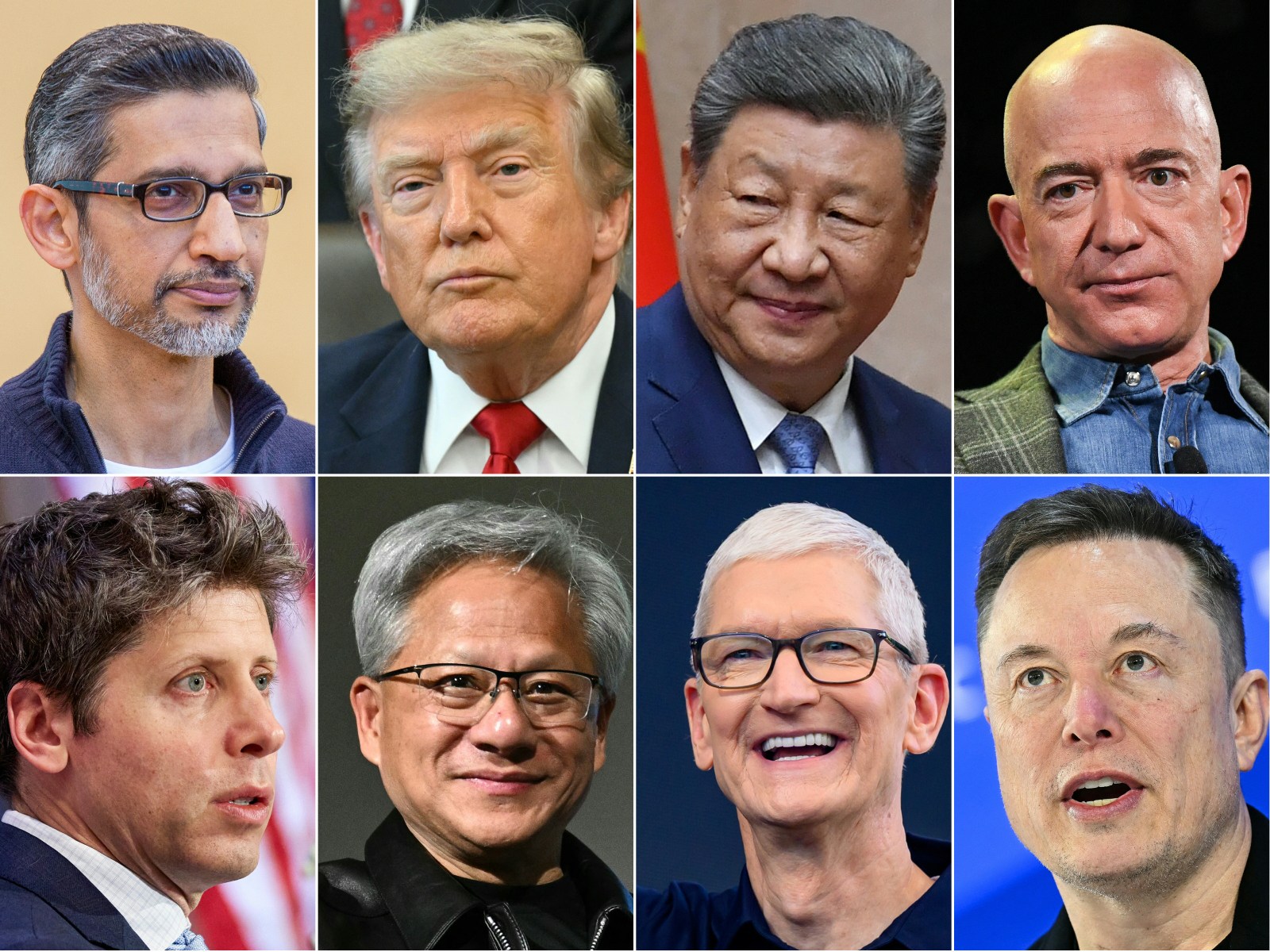
Xi Jinping’s upcoming visit to the United States marks a significant event in China-U.S. relations. The Chinese leader arrives confident, knowing that President Donald Trump is poised to offer support that might aid his continued leadership in China. Xi’s visit is his first official state visit to Washington, D.C., since 2015, and follows an earlier meeting at Trump’s Mar-a-Lago resort in 2017.
This visit comes at a time when the U.S. faces international pressure to monitor China’s rise. The ceremonial aspects of the visit highlight the importance of this leader-to-leader interaction, but Xi seeks more than pageantry. He has assured China’s elites of the West’s perceived decline, suggesting that strategic patience could help China ascend to a dominant position without open conflict.
Strategic Objectives
Both leaders have crucial interests at stake during this visit. Trump seeks support from Xi to address challenges involving Russia and Iran, nations aligned with China, and he desires favorable trade terms to counter domestic political pressures. On the other hand, Xi aims for China to be acknowledged as a power equal to the U.S., leveraging diplomatic gains made during a May state visit to China and his interactions with prominent leaders like Vladimir Putin and Kim Jong Un.
Showcasing Diplomacy and Military Strength
Xi’s arrival in the U.S. is set to commence with Trump’s unique welcome at Joint Base Andrews. Further events include a military spectacle involving a B-2 bomber and F-22 jets, which marks an honor not previously granted to Trump during his Beijing visit. The welcome at the White House and a state dinner with U.S. tech leaders signify respect for China’s market influence and strategic importance.
Xi’s team aims to secure diplomatic assurances to prevent any embarrassment, bolstering his position in China and globally. This visit might further legitimize the Chinese Communist Party’s anticipated decision to extend Xi’s leadership.
Maintaining a Strategic Balance
Beijing views the shifting international order as advantageous, believing patient strategies and non-escalation will eventually close the gap with the U.S. China continues to modernize its military and expand its influence in crucial sectors like industrial machinery and rare earth elements, which have previously been used to negotiate favorable terms against the U.S.
Challenges persist for the U.S., with limited influence to curb China’s support of Russia and Iran. Xi employs strategic tactics to support these allies while negotiating with the U.S.
Focusing on Taiwan
Taiwan remains a sensitive topic. Prior to Trump’s visit to Beijing in May, a $14 billion arms package for Taiwan was under discussion. The visit potentially delayed its approval, serving as a diplomatic victory for Xi, who seeks to gradually weaken U.S. support for Taiwan’s defense.
Securing Taiwan under Chinese influence is a long-term goal for Xi. His current approach avoids direct conflict, aligning with significant domestic policy maneuvers.
The visit’s timing is favorable for Xi, amidst changing American perceptions. The Chicago Council on Global Affairs reports a shift in U.S. public opinion toward cooperation with China, though not universal. Trump’s outreach to Xi aligns with these changes, although not fully supported by his political base.
This summit may not yield specific agreements, but it reinforces Xi’s position and recognizes China’s evolving status as a global power.