Potential Russian Incursion into Estonia: A Test for NATO?
Rising Tensions Between Russia and Estonia
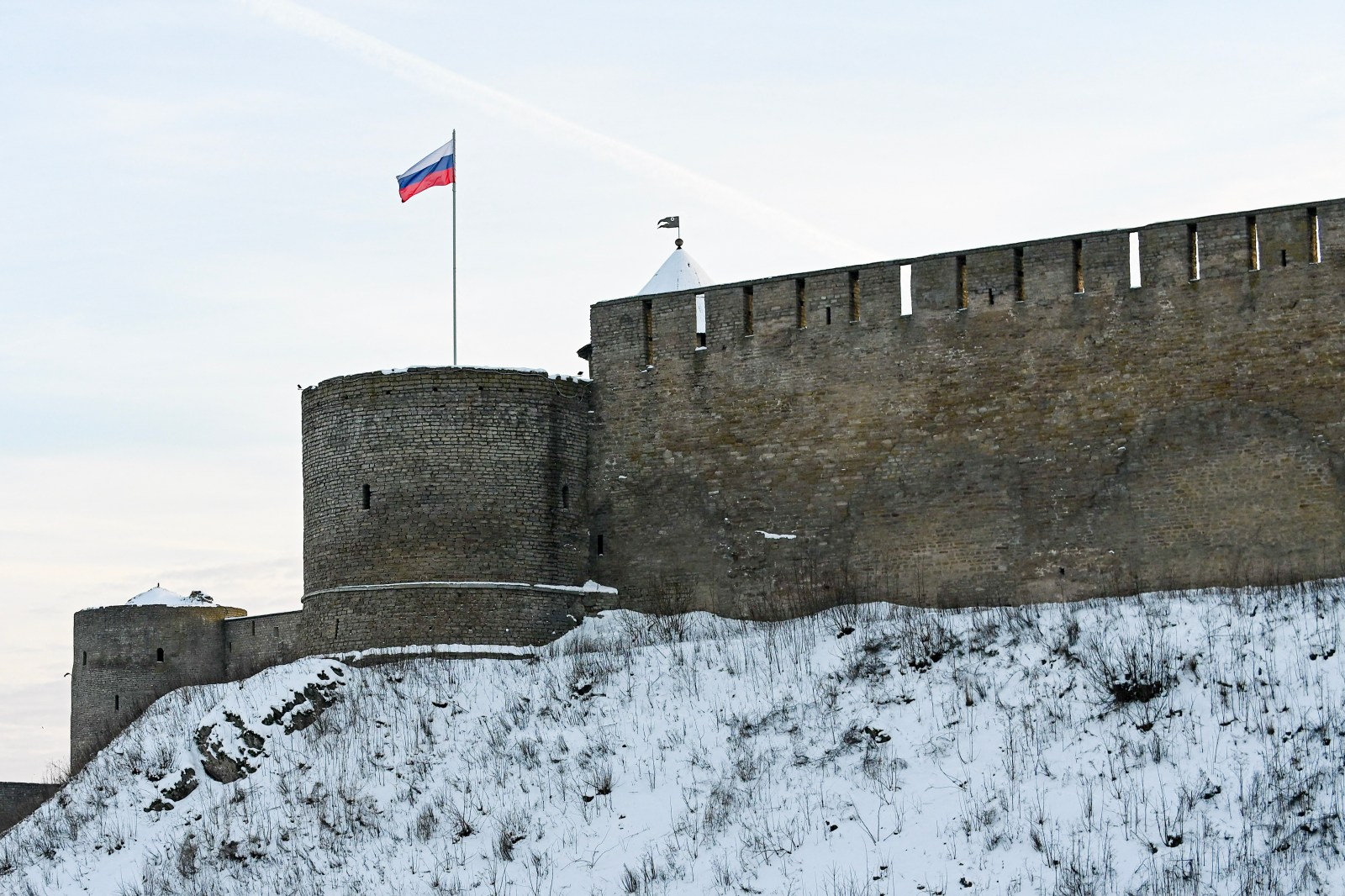
The Institute for the Study of War (ISW) has presented a scenario in which Russia may launch a limited incursion into Estonia to test NATO’s resilience. This comes amid increasing tensions between Moscow and Tallinn. Last week, Russia’s FSB imposed restrictions on Kingisepp and Slantsy, two districts in the Leningrad oblast bordering Estonia, limiting nighttime movement and access to parts of the Narva River.
Estonia has announced it would close its border with Russia if President Vladimir Putin ordered a mass mobilization for the Ukraine war, potentially leading to a mass exodus. Amidst the heightened alarm due to Russian drone incursions and other hybrid threats, the ISW suggests that Narva, a border town with a majority Russian-speaking population, could be central to Moscow’s plans.
NATO’s Article 5 at Risk
Testing NATO’s Article 5, which states an attack on one member is an attack on all, remains a concern. While there is no immediate Russian buildup in the Baltic states and a Russian invasion of NATO is unlikely with Putin focused on Ukraine, such a scenario would present complex challenges for NATO’s military structure. The ISW notes that mobilizing NATO might be complicated by delays and reluctance among alliance members to engage over a limited incursion.
The ISW indicated that no current Russia buildup near the Baltic states exists, making a NATO invasion unlikely during Putin’s military involvement in Ukraine.
The think tank highlighted that tension between the U.S. and Europe over NATO defense could delay American involvement. Russian cognitive warfare could further divide Europe and the U.S. Additionally, there is potential for Putin to risk escalation to force a decision between facing NATO or focusing on Ukraine.
Moscow’s Possible Preparation
The ISW also outlined how Russia might prepare for such an operation. Propaganda could portray Estonia as oppressing Russian-speaking citizens or aiding Ukraine against Russia. Russia could position FPV drones within range of Narva, using long-range attack drones against NATO sites. Agents in Narva could seize key buildings to declare a “Narva People’s Republic,” requesting Moscow’s defense.
Adding to the complications, Estonian forces might struggle against large volumes of Russian FPV strike drones. The Kremlin might demand de-escalation, seeking recognition of the NPR’s control over Narva, or threaten increased strikes if unrecognized. Denying it is an attack on NATO, Russia would present a strategic challenge.
Historical Echoes and Expert Opinions
This scenario is reminiscent of Carlo Masala’s book, “If Russia Wins: A Scenario,” where he explores similar situations. Masala suggests misinformation about persecuted Russian speakers as a precursor to aggressive moves on Narva. Unlike the ISW’s current scenario, Masala’s narrative involves events after Ukraine’s war ends in Moscow’s favor, altering NATO’s readiness.
Masala points to growing recklessness by Russia in testing NATO’s deterrence. He suggests this is part of a broader strategy to divide Europeans and weaken the alliance.
As of now, Newsweek has reached out to the Kremlin and the Estonian foreign ministry for comments on the matter.