FAA Implements AI System for Air Traffic Management
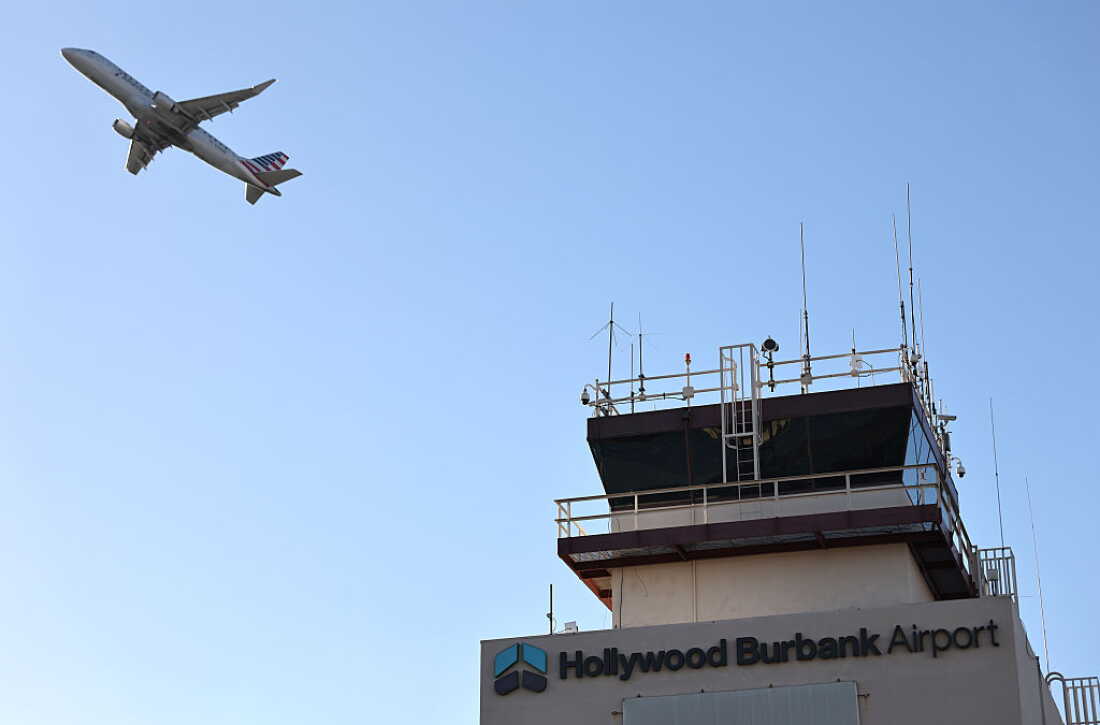
The Federal Aviation Administration (FAA) is upgrading the management of the United States’ airspace using artificial intelligence. On Monday, the FAA announced its ambitious $875 million software overhaul would launch at three major airports serving the Washington, D.C. region. The new initiative is called Strategic Management of Airspace, Routes and Trajectories, or SMART.
Transportation Secretary Sean Duffy stated that reshaping airspace management through SMART will cut delays, ease stress on air traffic controllers, and reduce travel costs. Regulators and airlines expect the AI-driven tool to enhance flying efficiency, although critics question if it addresses larger air traffic control issues.
FAA and Department of Transportation officials clarify that the technology isn’t replacing human air traffic controllers. Instead, it’s designed to make their work easier by minimizing congestion and airborne disputes before they occur. The way we manage traffic today is chaotic, and we can do better,
said FAA administrator Bryan Bedford during a Senate hearing earlier this year. Updated methods should rest with the FAA, rather than allowing airlines unilateral schedule control.
The SMART system will optimize airspace management by considering factors such as planned airline flights, weather, and wind conditions, and adjusting flight schedules to lessen congestion. This development is part of a larger $12.5 billion initiative to modernize the air traffic control system. A small company called Air Space Intelligence is building the system, having provided AI-enhanced software for dispatchers at Alaska Airlines and other carriers.
Skeptics, including former air traffic controller Dave Riley, wonder if SMART will have the transformative effect promised by FAA administrators. It won’t replace humans. It’ll be another tool in the toolbox,
Riley remarked, stressing that human controllers remain responsible for ensuring safe separation of planes. Concerns about AI tools malfunctioning are unlikely, according to Riley.
Riley points out that staffing shortages remain a significant problem. The FAA still lacks thousands of certified air traffic controllers, with many having to work mandatory overtime. The National Air Traffic Controllers Association has distanced itself from SMART, stating they haven’t participated in its design, testing, or implementation. Airlines for America commended the FAA’s modernization effort, lauding its potential to improve safety, capacity, and efficiency, benefitting American travelers.
The implementation of SMART is in its initial stages, marking one of the boldest FAA undertakings in recent decades.