Pentagon Probe Finds Preventable Failures in Iran School Strike
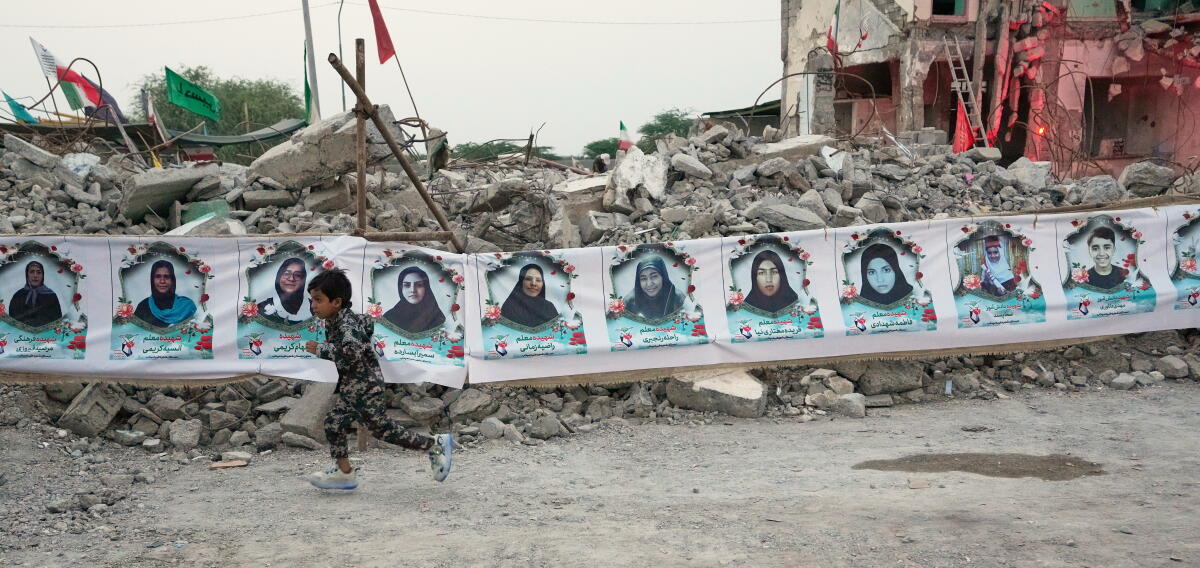
The Pentagon’s internal investigation found that the U.S. was responsible for the Feb. 28 missile strike on an Iranian school. The attack resulted in the deaths of over 150 people, including at least 123 children. The incident has been labeled as the deadliest American military targeting error of the 21st century in terms of child casualties.
Investigation Findings
The investigation revealed a series of preventable failures led to the tragedy. Officials mentioned no single catastrophic decision caused the strike; instead, it was due to a series of smaller mistakes. The review identified numerous missed opportunities to avert the disaster. Investigators noted constraints in sharing comprehensive details, although preliminary findings by early March had already determined U.S. involvement.
Despite calls for transparency, full details from the probe remain undisclosed. U.S. Central Command’s Adm. Brad Cooper, who ordered the investigation, addressed Congress stating his commitment to transparency, but it’s unclear what will be publicly revealed.
Problems in Target Selection
On Feb. 28, the Trump administration had ordered a rapid aerial assault on Iran. Within the first 24 hours, over 1,000 Iranian targets were hit. Officials mentioned this urgency, combined with gaps in intelligence and reliance on AI, set the stage for the tragic event.
The Pentagon used an AI system named Maven to expedite the process but was criticized for overreliance on the technology. Maven compiled data to inform decision-makers, but had limitations. Palantir Technologies, Maven’s developer, clarified that the software depends on external information, which was outdated. Officials have since focused on deficiencies in intelligence sources.
Intelligence and Target Libraries
American military planners maintained extensive target libraries concerning Iran, which required constant updating to ensure accuracy. Unfortunately, Minab’s classification as a military site was not updated. Officials admitted that outdated intelligence played a role, as Minab had been known as a military compound before it became a school.
Analyzed satellite images showed changes, but failed to reflect the site’s current function. Intelligence gaps were critical in the setup of the operation.
Kill Chain Process
The process known in the military as the “kill chain” usually involves assessments by imagery specialists, intelligence analysts, and legal and operational review before launches. For the Minab strike, this workflow was rushed, leading to the inclusion of incorrect targets.
Without adequate checks, CHM units were sidelined, leaving their input missing. Without civilian harm mitigation specialists reviewing the site before the strike, discrepancies went unflagged.
Political Repercussions
Democratic lawmakers are demanding accountability for how the attack transpired. The attack has become a point of contention, labeled by critics as a flaw in U.S. military operations.
Senators are urging for detailed briefings on what went wrong, with accusations toward the Pentagon of withholding critical information. Many deem the lack of information about the strike as unacceptable.