Understanding Rule 404(b) in the Karmelo Anthony Case
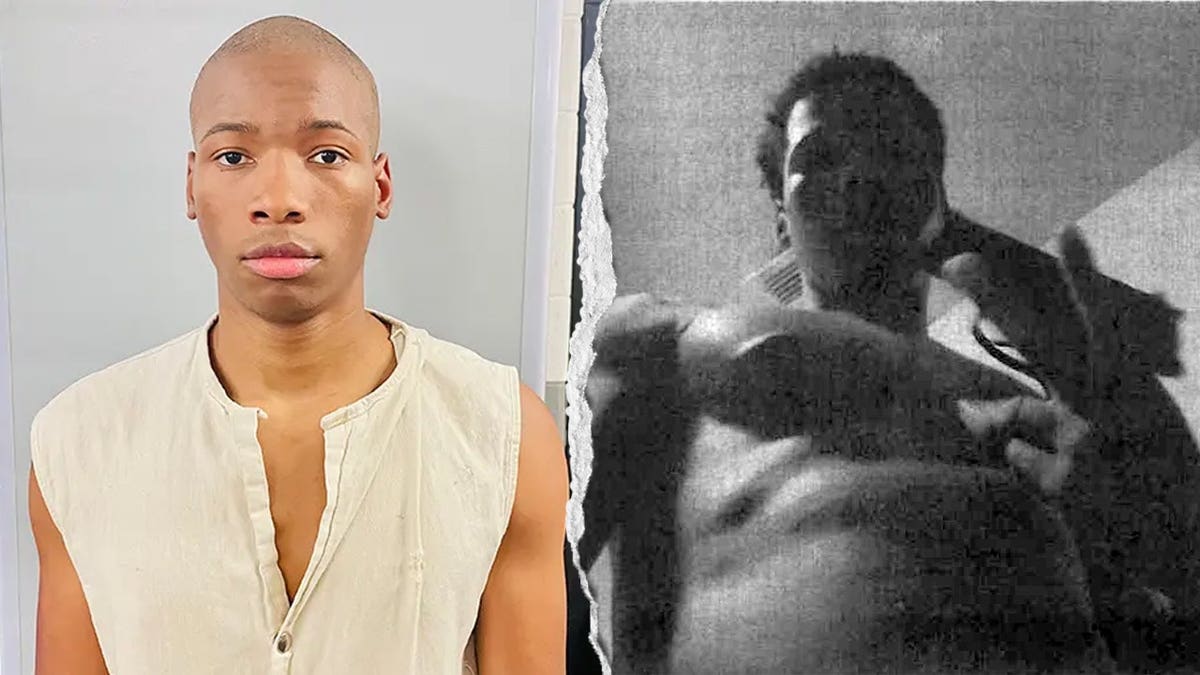
A recent court filing related to convicted Texas killer Karmelo Anthony highlights complex issues of evidence in the legal system. A 75-page document of alleged threats, gun photos, and violent messages seemed to map out evidence prosecutors intended to use. However, this is not a guarantee that such evidence would reach the jury.
A Texas criminal defense attorney explained that contrary to assumptions, Rule 404(b) filings don’t automatically mean jurors would see the evidence listed. Fox News Digital obtained the document, submitted under Texas Rule of Evidence 404(b), which allows prosecutors to inform the defense about potential evidence of prior bad acts.
The document’s significance rose when Anthony sought a new trial, arguing confusion over pretrial agreements impacted his choice not to testify. Prosecutors denied this claim. Allegations included stalking his girlfriend and making violent threats before murdering Austin Metcalf at a Frisco track meet on April 2, 2025.
Accusations presented Anthony as posing with firearms and expressing violent intentions in messages. Other claims involved drug dealings and robberies, separate from the murder charge.
Tiffany Burks, a former prosecutor and partner at Varghese Summersett, explains Rule 404(b) gives the defense notice of potential evidence. It allows time to investigate and plan a response. However, not all evidence in such notices enters the trial. It serves as a placeholder for what prosecutors might introduce.
Beyond general character suggestions, Rule 404(b) evidence can be allowed for specific purposes. Actions from Anthony’s past, including school fights and aggressive messages, were listed. Prosecutors might argue prior conduct clarifies the defendant’s intent or actions’s role in the crime.
Bukrs notes misunderstandings can lead some to assume all mentioned acts in a Rule 404(b) filing will enter the trial. However, evidential admissibility lies with the judge. The jury only hears evidence deemed relevant and allowed under the rules of evidence.
Ultimately, the judge decides if these prior acts are legally admissible, not guaranteeing their presentation to the jury. Anthony’s defense of self-defense was rejected by the jury, which sentenced him to 35 years based on testimony and video evidence.
This complex legal matter underscores the importance of procedural rules in criminal trials. Prosecutors strategically use Rule 404(b) while judges play a crucial role in determining the evidence jurors see.