Choosing Bark Collars for Effective Dog Training
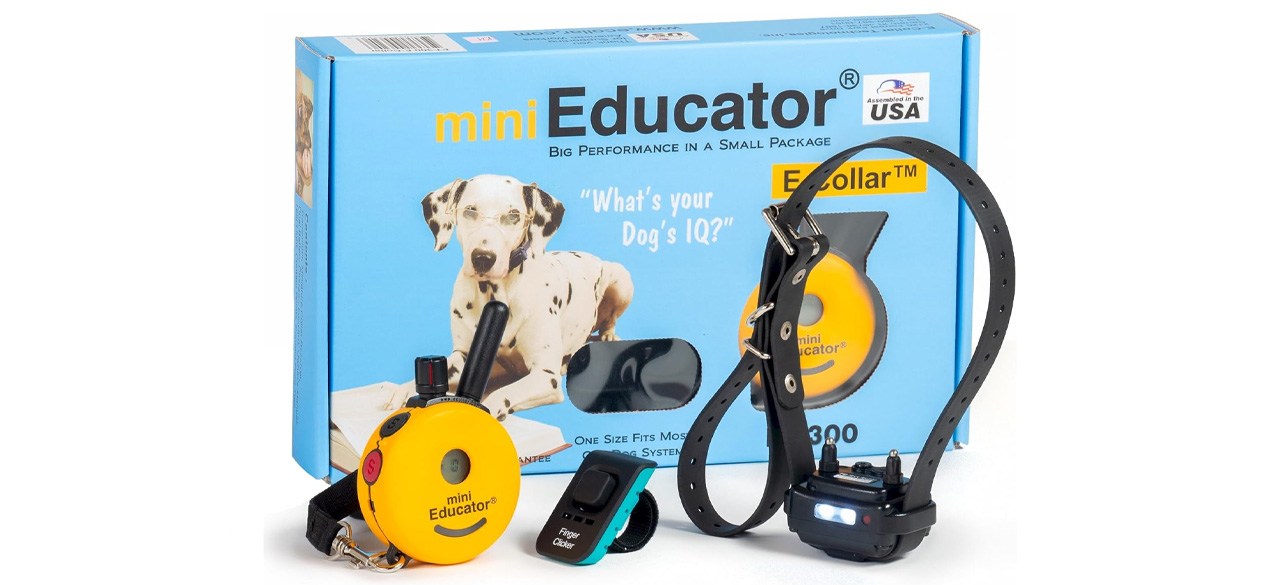
Dogs use barking as their primary method of communication, and they bark for various reasons including excitement, boredom, or alertness to external stimuli. Sometimes, underlying medical conditions like hearing loss or pain can also prompt barking. Consulting a behaviorist or veterinarian is crucial to pinpoint the cause of excessive barking and determine the best approach to resolve it. If barking persists, employing a bark collar alongside suitable training techniques might be beneficial. For a robust and efficient collar, consider products like the Educator E-Collar Humane Dog Training Collar with Remote.
Understanding Bark Collars
Bark collars function by detecting the sound of barking and emitting a negative stimulus such as a mild electric shock or high-pitched sound to discourage this behavior. Some collars operate automatically, while others come with a remote for manual stimulus application. While these collars can help curb unwanted barking, they are most effective when paired with proper training methods, which dog training books or classes can provide.
Different Types of Bark Collars
Contrary to common belief, not all bark collars administer electric shocks. Various types cater to different needs:
- Vibration collars produce vibrations without causing pain, prompting dogs to stop barking by surprise.
- Ultrasonic collars emit a high-pitched sound audible only to dogs, associating noise with the act of barking, often suitable for smaller breeds.
- Spray collars use an unpleasant mist, such as water or citronella, to deter barking, recommended for less stubborn dogs.
- Electric collars, or shock collars, deliver mild shocks that startle rather than harm, although caution is advised for smaller breeds.
Potential Concerns with Bark Collars
While generally safe, bark collars may pose issues including:
- Long-term use: Collars should not replace standard collars due to their weight and potential stress increase in anxious dogs.
- Size concerns: Over-tight collars can irritate the skin and cause choking.
- Weight: Heavy collars can strain smaller or senior dogs.
- Accidental activation: Unsupervised use may confuse dogs, hindering training.
Monitoring the dog’s reaction to the collar is crucial to prevent complications.
Choosing a Quality Bark Collar
Consider size and adjustability; measure the dog’s neck circumference and ensure the collar fits comfortably. Design elements include battery, sensor, and stimulus compartments. Durable materials like nylon and plastic are preferable. Additional features like reflective tape, remote controls, and false-trigger proofing provide added benefits.
Cost and Age Considerations
Bark collars are priced between $25-$60, with advanced models reaching up to $200. It’s advisable to start using bark collars on dogs at least six months old.
Alternative Methods to Prevent Barking
Behavioral training remains the most effective for reducing barking, complemented by clicker training and dog whistles, among others. Enrolling dogs in training courses often yields positive long-term results.
Recommended Bark Collars
Educator E-Collar Humane Dog Training Collar: Available in multiple colors, this powerful collar suits dogs weighing over 5 pounds. It offers shock, Pavlovian, and vibration responses, with adjustable levels and tracking features.
FunniPets Dog Training Collar: With LED light and reflective surface, this collar operates up to 2,600 feet away, featuring four training modes for medium and large breeds weighing over 20 pounds.
Patpet P650 1000-Foot Collar: Offering three non-invasive training modes, this waterproof and adjustable collar serves well for most dogs, enhancing training rather than solely preventing barking.