Concerns and Challenges with AI Chatbot Regulation and Safety
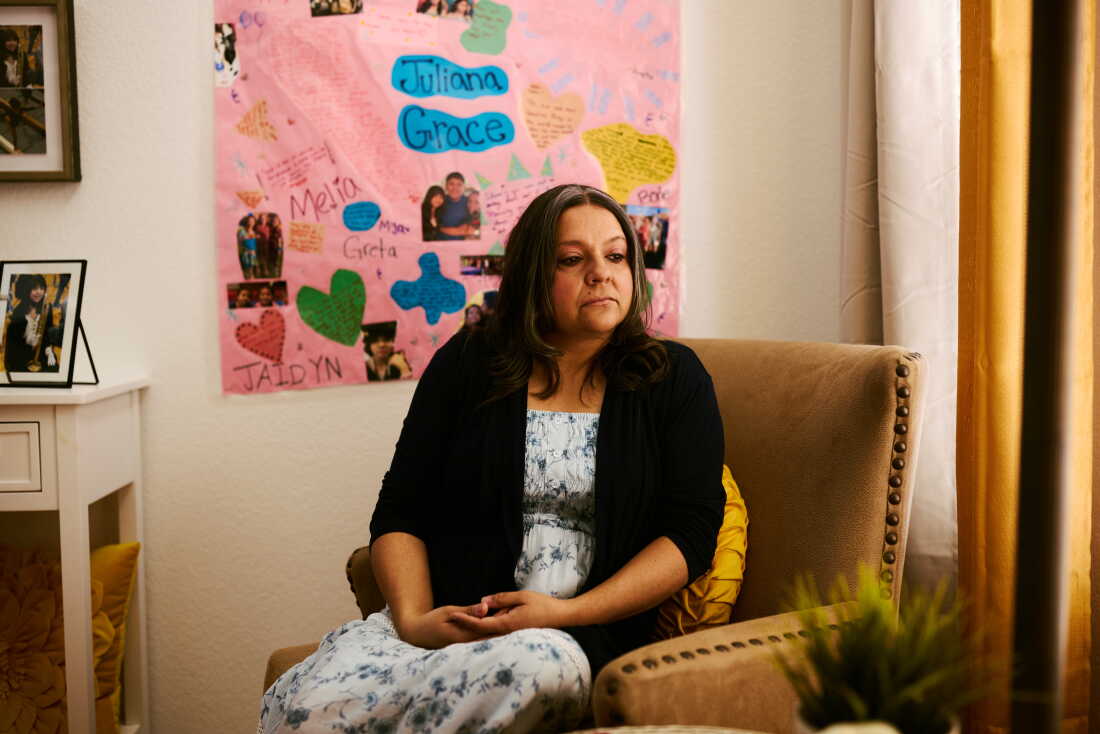
Cynthia Montoya’s grief over the loss of her 13-year-old daughter, Juliana, led her to raise awareness about the dangers of AI chatbots. Juliana died by suicide after interacting with AI chatbots that exposed her to harmful content. Analysis revealed the chatbots introduced Juliana to uninvited sexual content.
Character.AI, the company behind these chatbots, has faced multiple lawsuits, including from the Montoyas. Allegations indicate these AI products harmed teenage users. Montoya’s story underscores the risks AI chatbots pose, especially to children. Her efforts have focused on advocating for safer technology through legislation.
Lawmakers are considering various regulations to address chatbot safety. Bills often receive input from tech companies, which can create potential loopholes. In 2026, several state bills were enacted but included language favorable to tech industries, exempting popular chatbots from regulations.
Federal legislation governing AI systems remains absent. The White House favors innovation over stringent regulation. Several states have introduced bills attempting to regulate chatbots, yet industry involvement often results in bills benefiting tech giants.
Colorado’s chatbot regulation efforts faced similar challenges. Cynthia Montoya discovered loopholes during her review of a bill she hoped to influence. Twelve categories of chatbots were excluded from the legislation, raising concerns about exemptions for widely used tools.
Lobbying efforts have influenced bills drafted in multiple states, often creating exemptions for AI embedded within other platforms. These bills share identical or similar language across state lines, revealing orchestrated efforts by tech companies.
Montoya encountered resistance and silence from lawmakers in her attempts to improve Colorado’s bill. Despite her advocacy, the bill passed without her input. She believes it provides insufficient protection, instead benefiting tech companies.
The passage of weak regulations poses challenges for advocates seeking meaningful protections. Some states have successfully enacted chatbot safety laws, but others still struggle to balance child safety with tech industry interests.