California Prepares for El Niño’s Storms with Innovative Water Management
California’s Strategy to Capitalize on El Niño
California anticipates a series of intense storms due to El Niño this fall and winter. These storms present a dual threat: potential flooding along with an opportunity for increased water availability. State officials and water managers are strategizing on how to efficiently capture and utilize the expected surplus of water.
Progress in Water Capture
Los Angeles County has taken significant steps by employing 27 spreading grounds across the region. These artificial basins channel stormwater into porous soil, replenishing groundwater supplies. Sterling Klippel of the L.A. County Public Works Department emphasizes the importance of capturing stormwater during wet seasons to bolster the water supply.
During the 2025-26 storm season, these systems captured enough water to sustain approximately 3.3 million residents for a year. The coming El Niño may enable the region to capture even more, allowing for future use of underground reserves.
Central Valley Initiatives
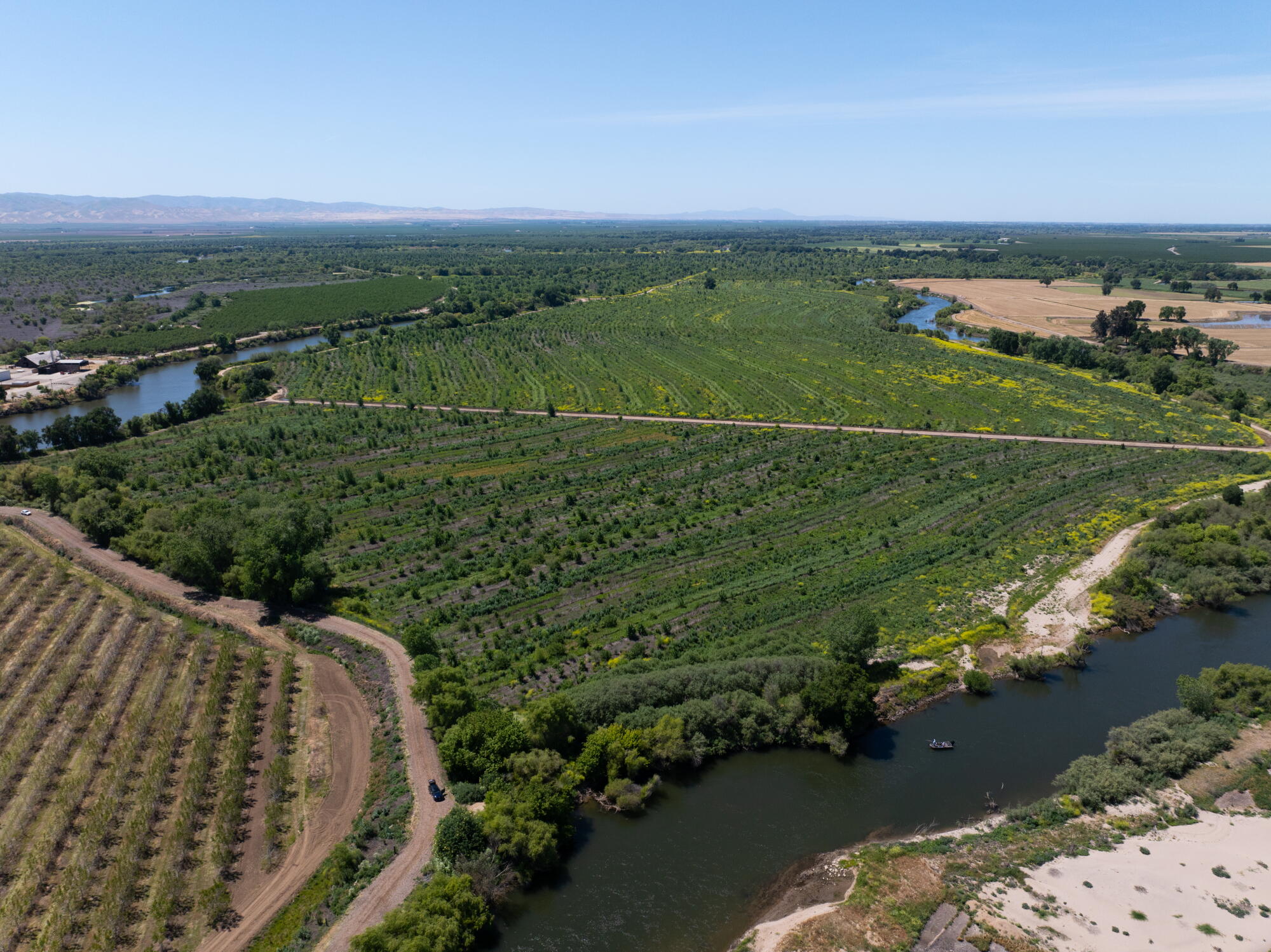
Efforts in the Central Valley focus on restoring natural floodplains along rivers. Crews are building recharge basins and directing floodwater to farm fields for groundwater replenishment. River Partners president Julie Rentner highlights the ability to capture large volumes of water, repurposing 13,000 acres of farmland to facilitate absorption.
The restoration of the Dos Rios floodplain near Modesto exemplifies this success. In 2023, it became California’s newest state park, with plans to open more land for floodwater absorption. Rentner views such initiatives as critical for water capture during major storms.
Statewide Preparation Measures
Governor Gavin Newsom has declared a statewide emergency to prepare for El Niño, urging state agencies to support local water capture efforts. In 2023, Newsom’s executive order allowed for groundwater recharge by doing away with permit requirements, easing the transfer of floodwaters to fields and basins.
Don Cameron, a grower in Fresno at Terranova Ranch, is employing innovative methods to use floodwaters for groundwater replenishment, assisted by state funding for infrastructure development.
Across different regions, proactive strategies are in place. Farmers and irrigation districts work collaboratively to manage and utilize floodwaters effectively. Tulare Lake’s reappearance during 2023 floods exemplifies successful water capture efforts.
Innovations and Future Prospects
California is exploring innovative infrastructure and coordination to enhance water capture. The Department of Water Resources supports local agencies to acquire pumps and create basins. Flexible response strategies at dams, informed by precise weather forecasts, could also substantially increase water retention.
Research from UC San Diego’s Scripps Institution of Oceanography demonstrates potential impacts of improved dam management, suggesting benefits for over a million households annually.
Reservoirs along the Russian River have started implementing these strategies, successfully holding more water from October to April storm seasons for summer use.
Challenges Ahead
With climate change altering precipitation patterns, California faces a shift towards more rain and intense atmospheric rivers, necessitating adaptive strategies. Extended droughts increase the urgency of efficient water capture during storms.
As California braces for El Niño’s storms, the state’s commitment to innovative water management reflects the critical need to optimize resources amidst evolving environmental challenges.