Today’s Gold Price and Its Impact on Retirement Savings
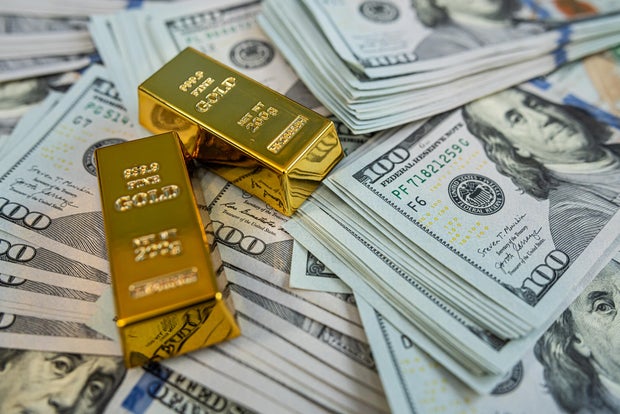
Retirement portfolios often focus on long-term growth, but short-term market fluctuations can lead to crucial decisions for investors. One significant movement currently happening is in the gold market.
In January, gold reached a record high of $5,589.38 per ounce. Now, it trades considerably lower, around $4,400 per ounce in early September. This marks a 22% decrease. Nevertheless, gold has experienced notable price increases in recent months before declining again. These fluctuations have been largely driven by rising Treasury yields, inflation, and geopolitical rate uncertainties.
What Does Today’s Gold Price Mean for Your Retirement Savings?
The current price of gold doesn’t inherently indicate whether you should buy, sell, or adjust your retirement investments. However, it should influence decisions regarding gold within your portfolio.
Potentially More Attractive Entry Point
If you have considered investing in gold but haven’t taken the plunge, the current lower price might make adding this metal to your portfolio more feasible. Trading is below the January peak, offering new investors a different entry point. Bear in mind that gold prices can fluctuate significantly, so a decrease from a peak doesn’t ensure further declines.
If gold is part of your strategy, take advantage of the price drop. Consider gradually adding gold to reduce the risk of investing heavily before another potential decline.
Implications for Current Gold Holders
Investors with gold bought near the January high may face decreased asset value. This situation can be challenging, particularly for those nearing retirement with limited recovery time.
Before deciding to sell, evaluate if gold still serves its intended purpose. If purchased for diversification or to hedge against economic risks, a temporary price drop might not necessitate a change in strategy.
Gold as Diversification Amid Economic Uncertainty
Gold’s price volatility underscores its role as part of a diversified portfolio rather than the central asset. Gold can differ from stock and bond responses amid economic shifts, providing diverse asset allocation.
Persistent inflation and geopolitical concerns alongside interest rate questions affect gold prices differently. Inflation and uncertainty elevate gold demand, while rising interest rates make yield-less assets less attractive. Despite this, gold’s role in diversification can aid in reducing reliance on a single asset class.
Reviewing Gold Allocation
Rather than rushing to buy or sell based on price changes, take this opportunity to reassess your gold investment position within your overall retirement plan. If you initially invested before the price surge, your exposure may exceed intended levels. Rebalancing might be beneficial.
For those contemplating diversification through gold, the lower current price offers a chance for cautious entry. Align your decisions with your retirement timeline. Individuals with ample time before retirement might better withstand price fluctuations than those nearing retirement.
Rather than predicting gold’s short-term movements, prioritize diversification and long-term objectives.
In summary, the current gold price offers a different scenario for retirement savers than at the year’s start. It serves as a reminder to evaluate gold’s role in your strategy, possibly reconsider allocations, and maintain focus on diversification and long-term goals.