Support for Veterans in Higher Education
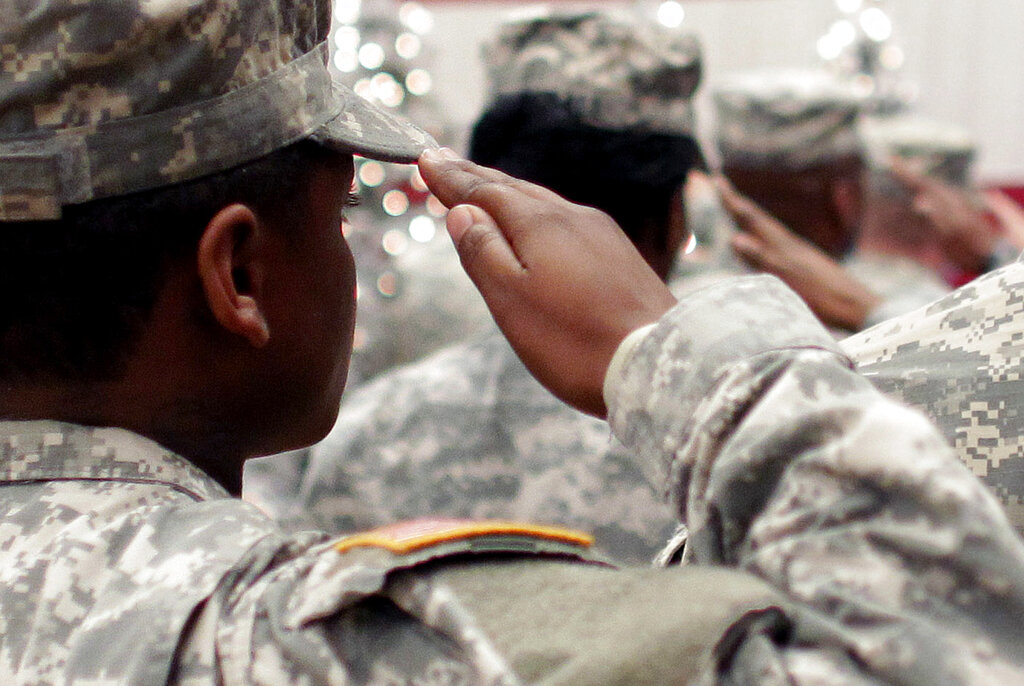
For veterans, the GI Bill offers a path to a debt-free college education. This incentive is a major draw for many service members. A significant recruitment success highlights this. The Navy enlisted 45,000 sailors, achieving its goal early. The Army also met its target ahead of schedule. Congress has approved an increase of about 26,100 troops for this fiscal year.
This commitment ensures opportunities for service members once they transition to civilian life. Higher education plays a key role in fulfilling this promise. Yet, only around 30% of veterans earn a bachelor’s degree, even though over half cite education benefits as a primary motivation for joining. Colleges must enhance their support structures to maintain strong recruitment and retention in the military.
Having experienced the benefits of education myself, I understand its value. I completed a master’s in organizational leadership while serving in the Air Force. The flexibility of my online program allowed continuity in education despite deployments. Unfortunately, many service members do not have access to such accommodating programs. Traditional academic schedules can be restrictive for those balancing military commitments.
Challenges extend beyond timing. Veterans often face physical and mental health struggles after service. The Department of Veterans Affairs provides mental health care to nearly half of student veterans. However, on-site clinical support is limited, with services available at only 54 institutions. Additionally, moral injuries can burden veterans, affecting their educational journey. Building trust and encouraging relationships on campus can be vital in addressing these issues.
Another hurdle is translating military experience into academic credit. Service members acquire significant skills during their careers. Yet, many institutions fail to award credits for this experience, requiring veterans to repeat training. Offering credit for prior learning can reduce the time and cost of earning a degree, recognizing the value of skills gained in the military.
Colleges also need to connect military students to their post-graduation opportunities. Degrees should lead to careers. Advisors can help translate military experience for civilian employers and align training with in-demand fields. Comprehensive services that integrate education, career guidance, and wellness support ensure smooth transitions for veterans.
The narrative around veterans’ educational experiences impacts recruitment. Stories of veterans leaving college without a degree influence enlistment decisions within families. The nation owes these service members fulfilling educational opportunities. Higher education must rise to meet this responsibility.