Nor’easter Brings Flooding, Power Outages, and Travel Disruptions to Eastern Seaboard
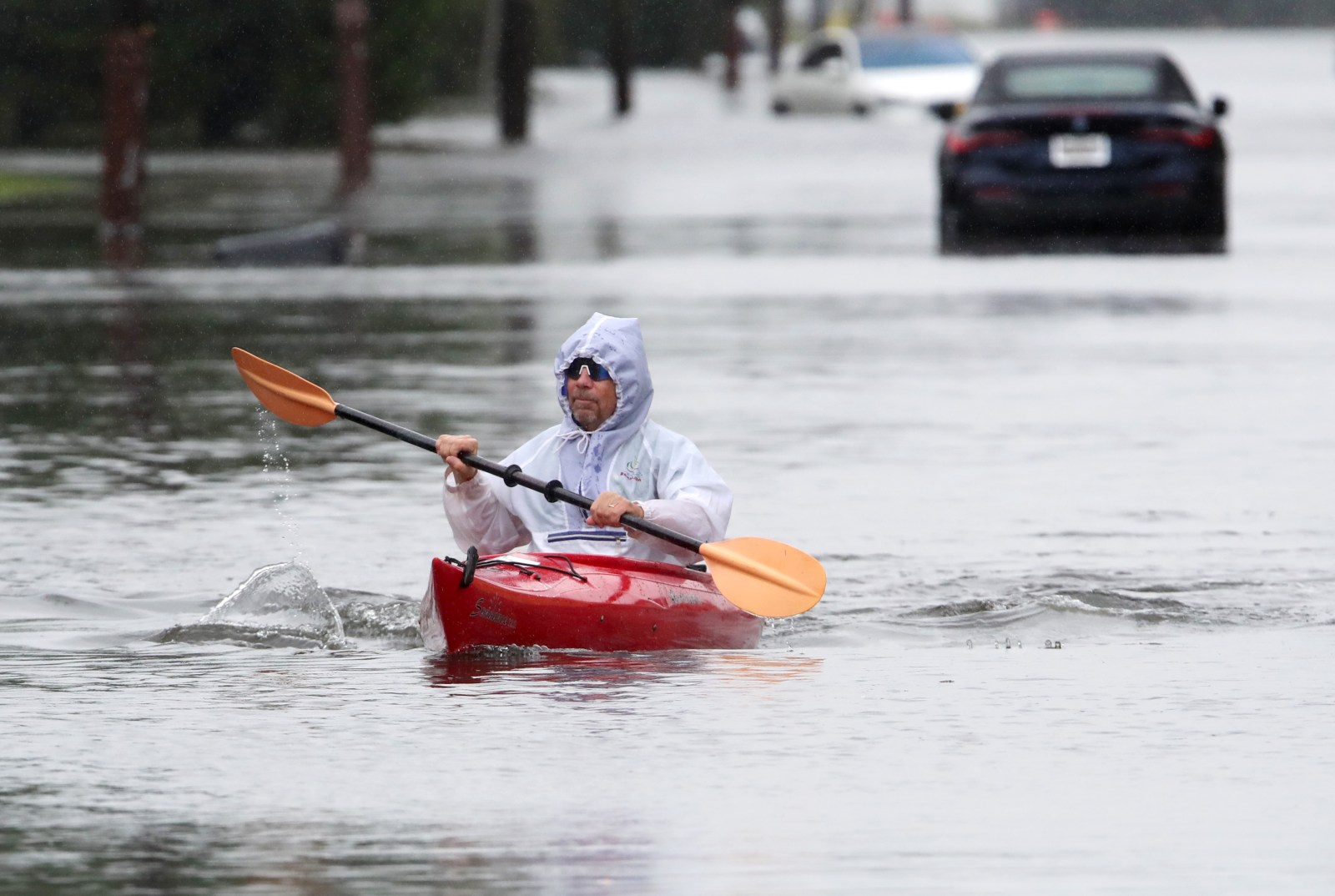
The Eastern Seaboard experienced significant flooding, widespread power outages, and major travel disruptions on Saturday, as a powerful nor’easter brought heavy rain and strong winds to coastal communities. Coastal flood warnings remain in place for millions of residents across the region, with forecasts predicting continued rain, high tides, and damaging winds through Monday.
The storm caused evacuations, submerged roads, and disrupted electricity service for tens of thousands. Forecasters indicate that the slow-moving system will linger near the New Jersey coast before gradually moving northeast, maintaining the threat of flooding, erosion, and travel delays.
Understanding Nor’easters
The National Weather Service (NWS) describes a nor’easter as a storm along the East Coast of North America, characterized by winds from the northeast in coastal areas. These storms occur year-round but are most commonly seen between September and April. Nor’easters often bring heavy rain or snow, along with gale-force winds, rough seas, and occasional coastal flooding.
The last significant nor’easter occurred in February, delivering record snowfall to the Northeast, including nearly 38 inches in parts of Rhode Island.
Increasing Flooding Concerns
Coastal flooding poses the most immediate threat, with intense onshore winds and high tides pushing water into roads and neighborhoods. The Jersey Shore and New York City’s waterfront communities are among the affected areas, with incidents of trapped vehicles and flooded neighborhoods reported.
In New Jersey, emergency crews evacuated residents from a flooded hotel in Edgewater, as reported by The New York Times. Similar issues were observed in Queens, where residential streets in Hamilton Beach were submerged. Officials caution that more flooding could occur as high tides continue.
Manasquan, New Jersey, has advised voluntary evacuations in vulnerable areas, warning of potentially difficult emergency access if floodwaters rise. Flooding near North Wildwood has closed the George Redding Bridge, impacting access to the mainland.
Ellie Hodge of Norfolk, Virginia, reported isolated flooding problems throughout the week due to the nor’easter. Ocean City, Maryland, faced beach erosion and flooding, with strong surf damaging infrastructure.
Power Outages Across the Northeast
Strong winds are impacting regions beyond the coastline, with reports of gusts exceeding 50 mph. Nantucket, Massachusetts, recorded a 62-mph gust. Saturated ground and powerful winds increase the risk of falling trees and downed power lines.
The storm has resulted in more than 91,000 Northeastern customers losing power, spanning New York, New Jersey, Pennsylvania, and Connecticut. Utilities warn that high winds will complicate restoration efforts, making repairs to damaged equipment and lines difficult and potentially dangerous.
New York Governor Kathy Hochul highlighted concerns with winds exceeding 60 mph impacting Long Island and other coastal areas. With rain expected to intensify, residents are advised to stay away from damaged infrastructure and report it promptly.
Transportation Disruptions
The nor’easter has heavily affected air travel, especially in New England. Boston Logan International Airport experienced over 250 cancellations, representing about a quarter of its daily traffic. Other Massachusetts airports, including Nantucket Memorial and Martha’s Vineyard, faced cancellation rates above 70 percent.
Flight delays spread across the New York metropolitan area’s airports. Air traffic controllers noted that additional ground stops might be necessary as winds strengthen.
Beyond air travel, Amtrak canceled several routes due to weather issues and downed wires, with service suspension between parts of Connecticut and Massachusetts. Travel agencies coordinated alternate bus services to maintain limited connectivity.
Future Weather Expectations
Forecasts predict two to six inches of additional rainfall across the Northeast, with the highest totals in eastern Long Island and coastal Massachusetts. Rainfall rates may reach an inch per hour, heightening localized flooding risks.
The National Weather Service has issued coastal flood warnings through Sunday evening for parts of northeastern New Jersey, southeastern New York, and Massachusetts. Each high-tide cycle will bring renewed risks of coastal inundation.
Areas like Long Island face significant concerns, with forecasts indicating 7 to 10-foot waves along the southern shoreline. This poses a threat of beach erosion and additional flooding.
New York City emergency officials expect the heaviest rain bands Saturday night, with moderate flooding projected for areas like Jamaica Bay and the Rockaways. Residents are advised to avoid beaches and coastal waters.