Embracing Charlotte Mason’s Educational Philosophy
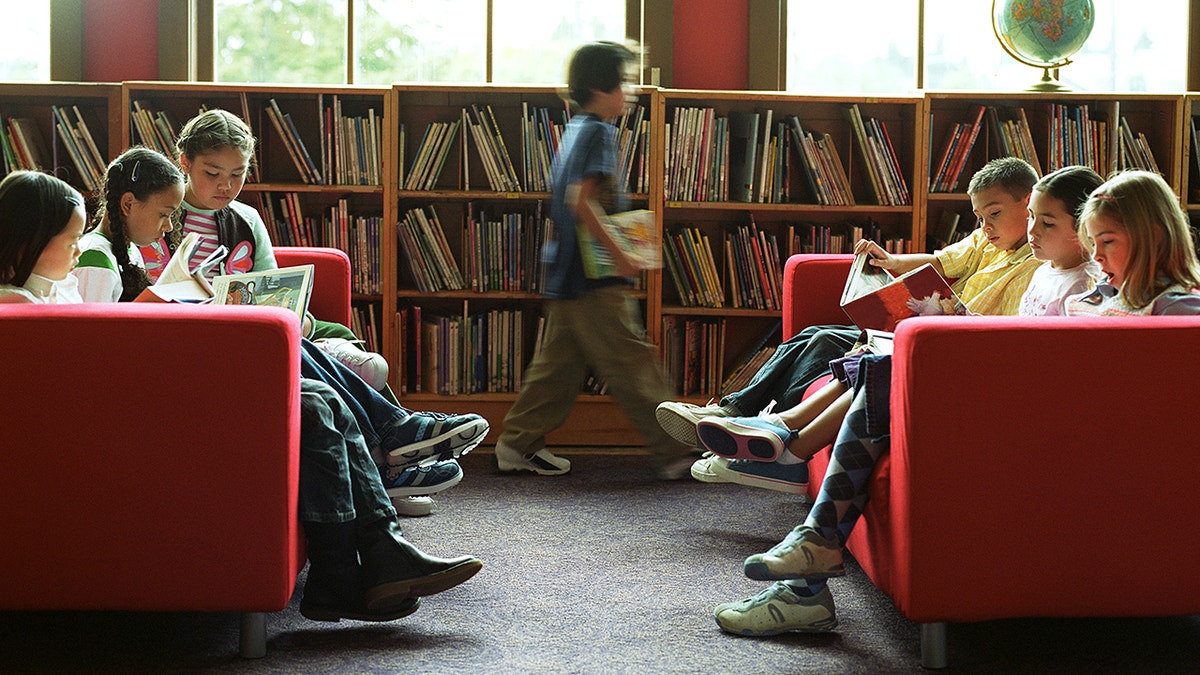
As September progresses, students settle into school routines with their reading lists finalized. Traditional textbooks, often authored by committees, present material that ranges from mundane to overly progressive. Alternatively, some curricula are delivered via detached computer screens.
However, there is an alternative. Charlotte Mason, a 19th-century British reformer, significantly influenced education, particularly in homeschooling communities. Though not well-known among public school parents, her philosophies about children and reading remain valuable for educators and parents today.
Mason emphasized fostering a love for learning. She believed that cultivating a desire for knowledge early on would benefit children throughout their lives. Like essential nutrients for physical growth, ideas are necessary for a child’s intellectual development. Mason contended that the source of such nourishment should not be standard textbooks.
Schools often present textbooks designed either to avoid controversy or to endorse specific agendas. Mason argued that children’s development benefits most from exposure to art, music, and ‘literary quality’ books. In ‘Parents and Children,’ she expressed that the world’s best thoughts reside in books, emphasizing the importance of giving children access to quality literature.
Mason’s ‘living books’ concept involves works penned by single authors that actively engage minds, rather than solely presenting facts. For young readers, titles like ‘The Trumpet of the Swan,’ ‘Black Beauty,’ and ‘A Little Princess’ exemplify this. Middle school students can explore ‘My Side of the Mountain,’ ‘Around the World in 80 Days,’ ‘To Kill a Mockingbird,’ and C.S. Lewis’s ‘Narnia’ series.
High school students benefit from classics like ‘Pride and Prejudice,’ ‘David Copperfield,’ and ‘The Lord of the Rings’ trilogy. Such books ignite curiosity through the passion of their authors, engaging students in a way textbooks often fail to do.
Unlike standard educational texts, living books present engaging narratives that activate students’ imaginations and emotions. Titles like ‘My Side of the Mountain’ and ‘To Kill a Mockingbird’ weave complex concepts into relatable stories, facilitating a lasting connection with the material.
Living books often introduce unfamiliar vocabulary, challenging young readers. Despite some teachers’ concerns, classic language forms, found in works like Charles Dickens’s novels or even the King James Bible, expand readers’ grasp of English. E.B. White believed in challenging children with new words, trusting their ability to comprehend them.
White noted that effective children’s writing aims above their level, acknowledging their capacity for attentive and curious reading. Mason emphasized that education encompasses atmosphere, discipline, and life. By using living books, educators can instill active learning, encouraging students to express understanding in their words.
Parents can start with books like Louisa May Alcott’s ‘Little Women,’ which conveys family values, or Mark Twain’s ‘The Adventures of Huckleberry Finn,’ which explores friendship and moral courage. Charlotte Mason’s ideas endure as a meaningful guide for education today.
Beth Herman is a visiting fellow at the Independent Women’s Education Freedom Center and is pursuing a master’s degree in Classical Education at the University of Dallas.