Addressing Plastic Waste with Ancient Solutions and Modern Innovations
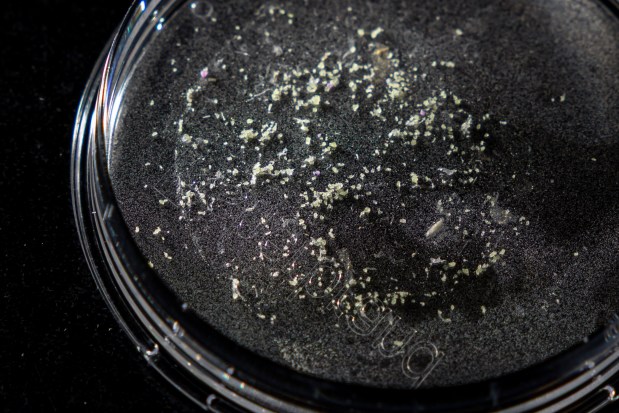
Melissa Duhaime, a University of Michigan biologist, dedicated over ten years to studying the spread of plastic waste in the Great Lakes. Her research revealed alarming findings with few solutions, leaving scientists to contend with powerful corporations aiming to increase fossil fuel-based plastic production. Seeking an alternative, Duhaime shifted focus to flax, an ancient Mesopotamian resource, now Iraq, which can create linen fabrics instead of synthetic ones.
Flax, a plant mostly known for its nutritious seeds in America, offers a substitute for petroleum-based carbon fiber in industries like automotive and construction. Duhaime says there’s potential for a new manufacturing sector focusing on growing and processing flax fibers. Some farmers and big companies have shown interest.
She joins a group of researchers, activists, policymakers, and volunteers combatting the plastic crisis. While some advocate for legislation and global treaties to cap plastic production, innovators and environmentalists seek sustainable options and methods to remove plastic litter from the environment.
Great Lakes and Microplastics
Plastic pollution is extensive; over 8 billion tons of plastic waste suffocate the planet. Annually, over 22 million pounds infiltrate the Great Lakes, particularly Lake Michigan. These microplastics, no larger than a grain of rice, pose health risks, affecting heart and brain function.
“We are turning our lakes and oceans into unpermitted landfills,” stated Judith Enck, founder of Beyond Plastics.
The plastics industry argues that their products are vital, citing their engineered use in food packaging, medical devices, and electronics. However, Anja Brandon from the Ocean Conservancy emphasizes the need for better management of plastics and continued cleanups to prevent further harm.
Reviving Tradition: Flax’s Role
Duhaime first discovered plastics in the Great Lakes in the early 2010s. Her lab work showed microplastics hinder fish development and carry toxins. Motivated by personal irritations with synthetic fabrics and a desire for more than academic solutions, Duhaime and her husband raised sheep on a farm for natural wool production.
Flax spinning into fabric is a centuries-old practice. In the U.S., flax production declined due to the cotton gin and post-war plastics rise. However, companies like BMW and Volvo in Europe are incorporating flax for sustainable automotive design, and Duhaime hopes to inspire similar practices in America’s auto industry through the THREADS Natural Fibers Institute.
Several fibershed groups throughout the Great Lakes are striving to restore local manufacturing, linking farmers, processors, and consumers. This approach may bridge rural-urban political divides, fostering regional economic ties.
Holding Manufacturers Accountable
Plastics manufacturers often avoid responsibility for waste, leaving taxpayers to fund recycling efforts. Studies highlight recycling challenges due to varied plastic types and toxic additives.
Some U.S. states are exploring “extended producer responsibility” laws to require manufacturers to contribute financially to waste management. This aims to make non-recyclable materials costly, pushing the industry toward sustainable practices.
Keen to stop single-use plastics, California’s vigorous legislation faces industry pushback. Yet, Oregon has upheld its plastics-reduction law, offering hope for national and legal progress.
Ongoing Efforts and Challenges
Beach cleanups organized by groups like the Alliance for the Great Lakes spotlight the severity of litter. Volunteers’ efforts not only clean but educate the public.
Research initiatives like the U of T Trash Team use technology to track waste migration. Their findings assist in deploying cleanup technologies strategically.
Effective cleanup efforts are complemented by innovative approaches like installing microplastic filters on washing machines. However, legislative attempts to mandate such filters face hurdles, exemplified by California’s vetoed bill.
Beyond individual measures, the push for cleaner practices also involves businesses collaborating for green supply chains, as seen with restaurateurs opting for sustainable utensils and packaging.
In pursuit of broader change, Duhaime is collaborating with engineers to establish a flax-processing mill. They aim to revive flax as an economic staple in Michigan’s economy.
This shift embodies a return to local resources and manufacturing, advocating a sustainable lifestyle intertwined with ancient practices and contemporary technology.