Understanding Traffic Light Sensors in the U.S.
Driving often involves dealing with traffic lights, which are nearly unavoidable in the U.S. with around 320,000 in operation. Sometimes, getting through traffic lights can be more challenging than it seems. A common frustration is waiting at a red light while it seems like nothing changes. This might be because the light isn’t aware of your presence.
Traffic lights operate differently depending on their location. In some areas, like near major event centers, traffic lights might run on preset timers. For example, in Minneapolis, lights near the stadiums for the Minnesota Twins and Timberwolves operate on fixed patterns during events. At such times, there isn’t much you can do but wait. However, other traffic lights depend on detection devices.
These devices can include cameras and underground sensors. You might recognize the latter when you notice a differently colored rectangle on the pavement near the stop line. This rectangle contains an induction loop sensor. As explained by the public works department in Neenah, Wisconsin, this loop is a coil of wire beneath the pavement. When a large metal object, like a car, is over the loop, it changes the magnetic field of the loop, signaling the light to change.
To activate these sensors, your vehicle must be within the detection area. Ensure you stop at the solid white line at intersections. Smaller vehicles, like motorcycles or bicycles, should align their tires with the tar lines to trigger the sensor effectively.
Magnetic detectors and magnetometers also operate on magnetic fields, similar to induction loops. Again, positioning your vehicle over these sensors activates the traffic light. Some intersections utilize overhead sensors. Infrared sensors activate when a vehicle interrupts a light beam or emits detectable heat from its engine. Additionally, some intersections use cameras that not only adjust signals but also capture those running red lights.
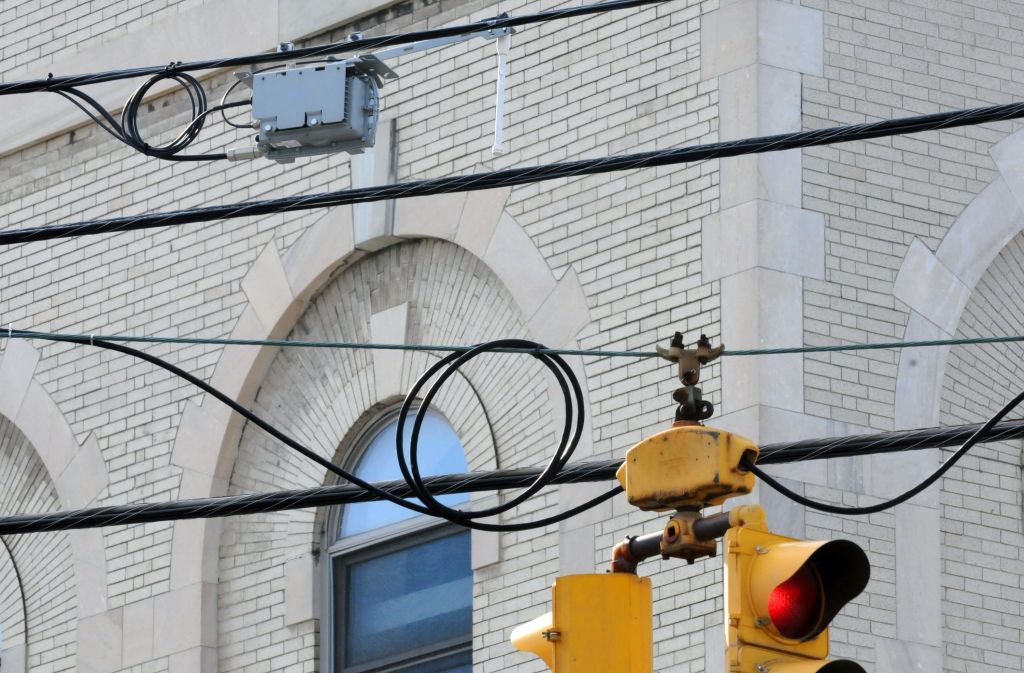
In Albany, N.Y., for instance, you can see red light cameras, typically resembling security cameras found in banks. Infrared laser sensors can be in metal boxes above roads. Multiple sensors may monitor an intersection to ensure efficiency.
In Los Angeles, a system combining magnetic sensors, cameras, and a network controls 4,400 traffic lights to manage traffic flow. If you struggle to trigger a sensor, flashing high-beam headlights is sometimes effective, though honking won’t help as sensors aren’t audio-driven.
Running a red light is dangerous, so consider alternatives if your turn is skipped. Make safe decisions, like rerouting with a legal right turn. California Highway Patrol Officer Dan Olivas suggests that when at a red left-turn light, turning safely when the light turns green for straight-ahead traffic is acceptable, explaining to law enforcement if necessary.