Understanding the Use of Q-Collars in Sports
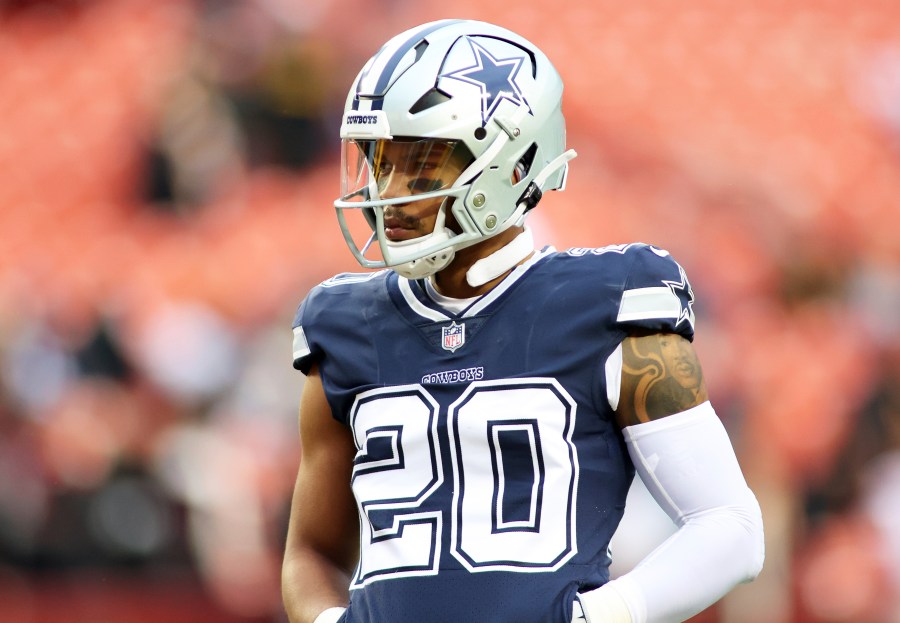
Observers of recent NFL games may have noticed some players wearing distinctive collars around their necks. These white or black horseshoe-shaped devices, known as Q-Collars, are not new. Former Carolina Panthers linebacker Luke Kuechly was among the early adopters back in 2016, with more players joining over time.
The Q-Collar, developed by Q30 Innovations, aims to protect athletes’ brains during head impacts. Its marketing received approval from the Food and Drug Administration (FDA) in 2021, stating that it may help reduce specific brain changes linked to injury.
Head impacts can result in a traumatic brain injury (TBI), a major concern in sports. The National Institute of Neurological Disorders and Stroke identifies blunt trauma accidents as a common TBI cause. Such accidents can lead to an unrestrained movement of the brain within the skull, known as a ‘slosh.’
The Q-Collar works by applying pressure on the jugular veins in the neck. This compression increases the blood volume in the skull, providing a snugger fit for the brain. This reduction in ‘slosh’ is intended to minimize injury.
The device is not exclusive to athletes; it’s also seen in military applications. The U.S. Army Medical Research and Development Command awarded Q30 Innovations a contract for developing the Q-Collar to explore its potential in reducing blast-induced TBIs among soldiers.
Despite its promise, experts caution against overestimating the Q-Collar’s effectiveness. It cannot prevent concussions or severe head injuries, as noted by the FDA. Even users such as Kuechly experienced concussions after wearing it. Adil Hussain, D.O., highlights the importance of realistic expectations, comparing the Q-Collar to a seat belt for the brain.
The FDA has expressed concerns about the study leading to the Q-Collar’s approval, citing difficulty interpreting scans and a lack of validation in linking brain tissue changes to real injuries. Experts believe more research is necessary to fully understand its benefits.
Nonetheless, athletes across various sports continue to use the Q-Collar. Q30 Innovations lists ambassadors like Tony Pollard of the Dallas Cowboys, Boston Scott of the Philadelphia Eagles, and retired Pro Bowler Vernon Davis.