A Comprehensive Exploration of Min Jin Lee’s American Hagwon
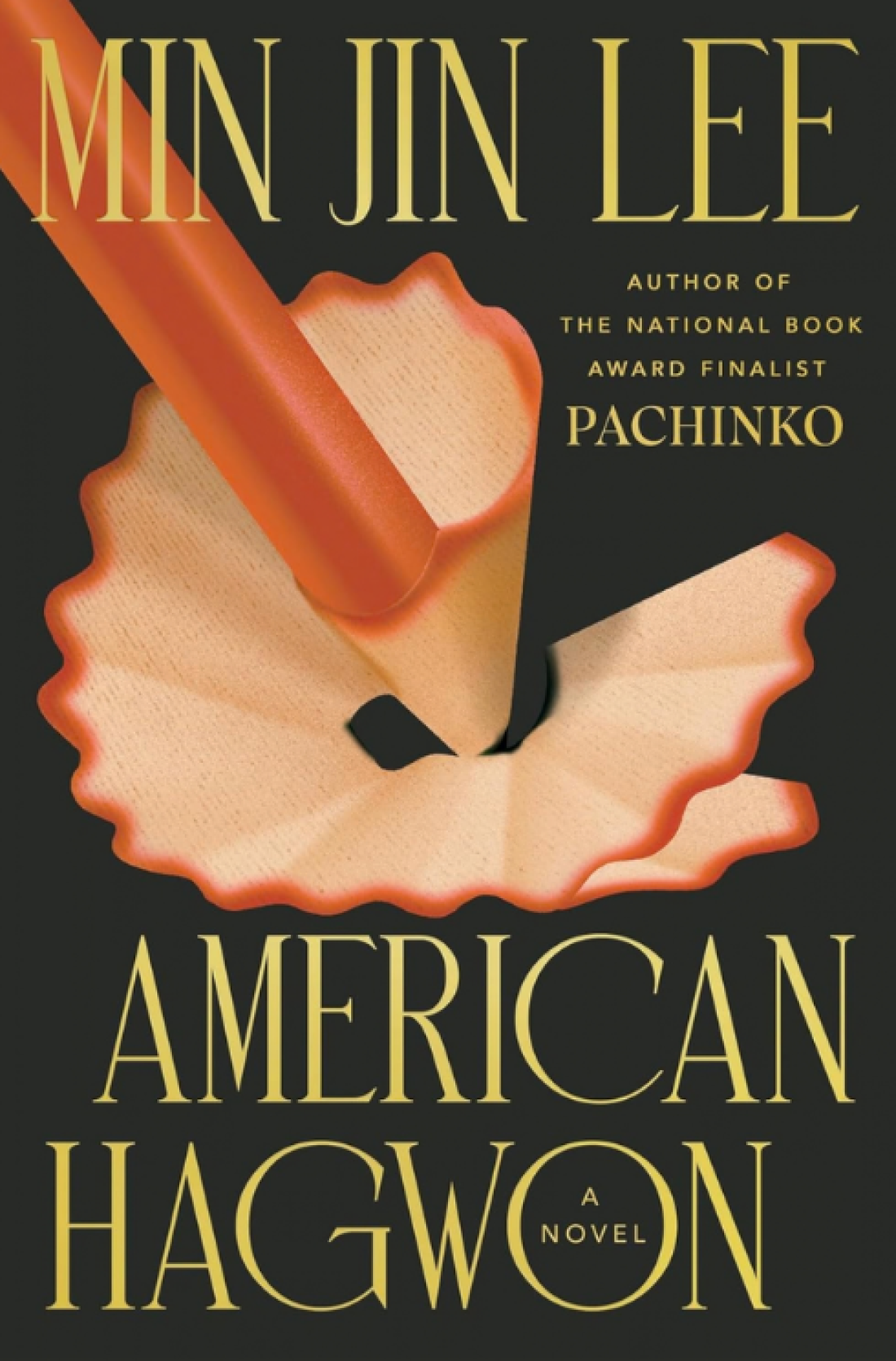
Min Jin Lee’s latest novel, American Hagwon, has been in development for nearly a decade. This third installment in her four-part series focuses on the Korean diaspora. Pachinko, the second book, was a National Book Award finalist. The novel intricately examines immigration, America’s fragile promises, and educational purposes. American Hagwon captivates readers with profound characters across its more than 600 pages. The Koh family is central to this narrative, which spans from 1992 to 2007.
Initially, John and Helen Koh, along with their children Bo, DH, and Mido, return to Seoul after six years in Sydney. Previously in the U.S., their children were born in Paramus, N.J. However, Korea no longer feels like home, especially for 13-year-old Mido. A betrayal by John’s friend and superior, Taehun Shin, adds to their uncertainty. Shin, plagued by personal turmoil, orders John to undermine and fire an employee, Danbi, with whom he is romantically involved. John resists but ultimately complies. Danbi retaliates, setting up John for a downfall.
By 1997, the Asian financial crisis causes further disruption. The Kohs, and several other developed characters, end up in Southern California. Shin and Danbi also relocate there. Despite challenges, support networks from family, schools, and churches sustain the newcomers. John works at Shrimp Castle in a Korean mall, ending his day exhausted. The novel depicts characters with relentless work ethics.
Late in American Hagwon, Shin’s estranged wife, Mary, surfaces, working in a New Jersey florist shop. Mary reflects on the toll of hard work on her church community. The Koh children, bearing hopes for a better future, work at a hagwon. These academies prepare students for success, ideally leading to Ivy League admissions. Yet, Lion, who runs the hagwon, promotes education as transformative rather than transactional.
The novel features a poignant essence: Lion addressing parents, advocating for liberal arts education. Lee’s narrative breaks writing conventions by incorporating extensive exposition without being mundane. Her ability to evoke revelations from simple elements is noteworthy. The concluding sentence of American Hagwon is spiritually uplifting due to the strategic use of a possessive pronoun. Lee’s mastery makes this novel remarkable.