Employee Confidence Reaches New Low Amid Economic Challenges
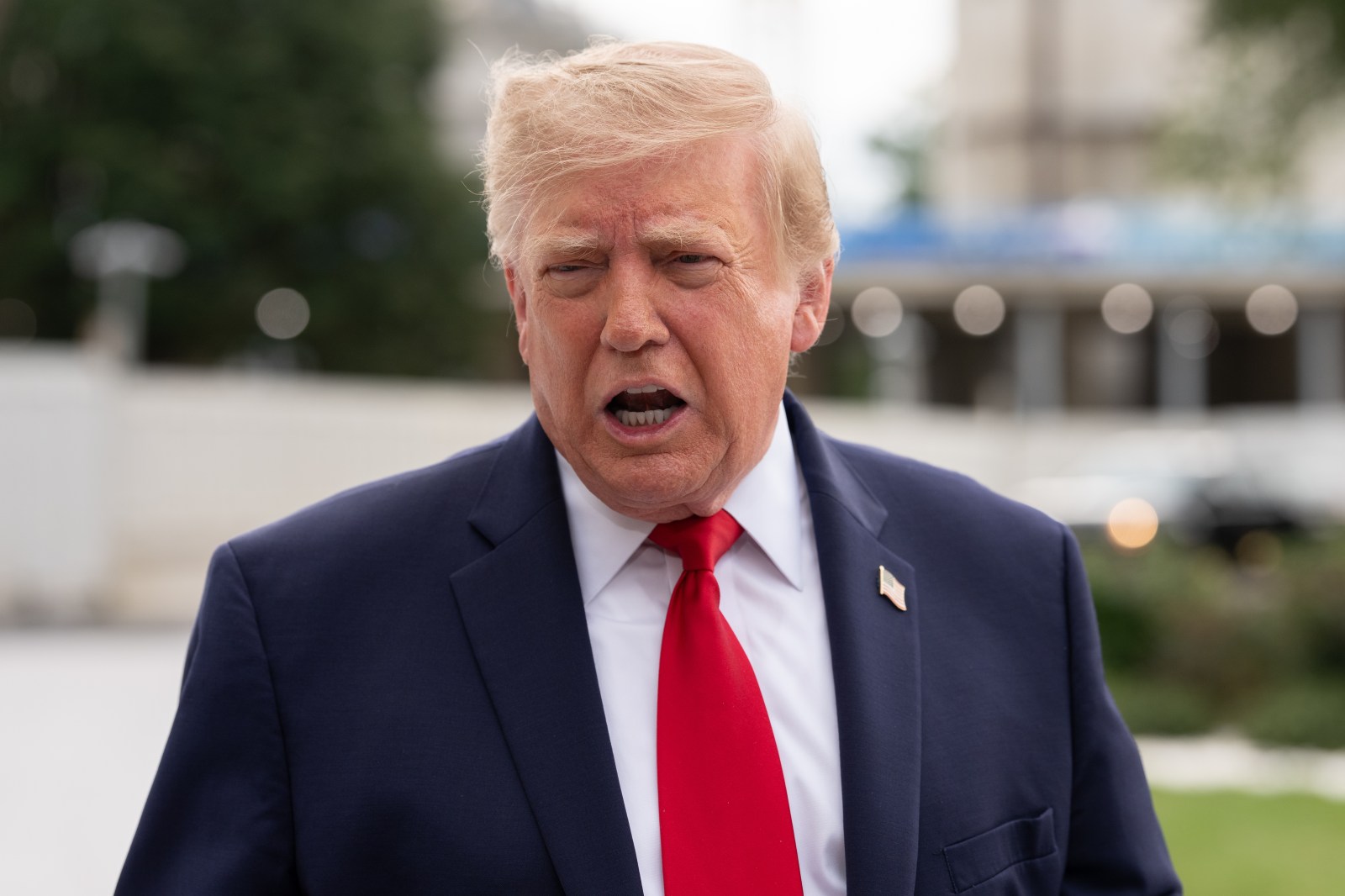
American employees’ confidence in their employers’ future has dropped to a record low, as reported by Glassdoor’s latest Employee Confidence Index. This downturn is attributed to the ongoing layoffs in various sectors and sluggish hiring in many white-collar industries. Concurrently, President Donald Trump’s approval ratings are at some of their lowest points, which poses a significant political challenge as the 2026 midterm elections approach.
Challenges in the Job Market
Jan Hendrik von Ahlen, managing director and career expert at JobLeads, noted that recent declines in employee confidence are unsurprising given the current job market turbulence. Many employees are directly or indirectly affected by layoffs. Access to work resources is often revoked abruptly, and severance packages are minimal, if present at all.
Workers experiencing decreased confidence might cut back on spending and delay major purchases. They may also hesitate to change jobs and become more anxious about potential layoffs.
On the political front, Trump’s approval rating has decreased to historic lows, with economic issues and rising costs significantly influencing voter dissatisfaction. A Wall Street Journal survey recorded Trump’s approval rating at 37 percent, the lowest pre-midterm rating since 1990.
Expert Insights on Employee Confidence
Glassdoor Chief Economist Daniel Zhao stated that employee confidence reached another record low in September, marking the third instance this year. Zhao highlighted that both employed and unemployed individuals feel stuck and anxious due to factors such as AI developments, layoffs, policy uncertainty, and inflation. These pressures, along with slow hiring rates, hinder workers from finding better employment opportunities.
Michael Ryan, a finance expert, commented that while the White House presents the economy as booming, employees assess it from their job security perspective. Questions about hiring practices, layoffs, and rising costs influence their feelings of job security.
Employees’ pessimism about future business conditions persists as layoffs remain prevalent in several white-collar sectors. Mentions of layoffs in Glassdoor reviews increased by 13 percent last year, whereas discussions of uncertainty and AI spiked by 84 and 164 percent, respectively. Von Ahlen emphasized the fear surrounding AI’s impact on jobs, stating that while AI has simplified some tasks, it has increased workloads for others who haven’t seen expected efficiencies.
Reasons Behind Rising Layoff Concerns
The surge in worker anxiety is attributed to ongoing layoffs in tech and media and slower hiring rates. Ryan explained that it’s not about a single Trump policy destroying confidence but rather a combination of factors, such as inflation, higher costs, interest rates, layoffs, and the complexity of changing jobs.
Ryan highlighted the common misconception that employer confidence only ties to consumer demand. Many employers focus on future growth despite experiencing inflation and uncertainty about future demand.
Finding new employment is challenging, with the average job search lasting about six months or more. Professionals send hundreds of applications for minimal responses, often generated by AI.
Industries Experiencing Growth
Despite these widespread concerns, some industries are adding workers:
- Healthcare
- Government
- Construction
- Energy/utilities
- Skilled trades
HR consultant Bryan Driscoll suggests employers need to provide genuine reasons for employees to feel secure, such as fewer restructurings, transparency about business conditions and AI, and investing in current staff rather than expanding workloads without added compensation.
Sectors with Workforce Reductions
Conversely, some sectors have experienced visible workforce cuts:
- Technology
- Media and publishing
- Consulting/professional services
- Finance
- Retail corporations
Driscoll believes Trump’s approval ratings reflect increased employee anxiety and frustration, particularly in industries with high layoffs. Economic policies under Trump have been criticized, as rising bills and costs fail to align with claims of an improved economy.
Future Outlook
Economists monitor labor market reports to understand if employee sentiment reflects a precarious job market. Further layoffs may further dampen confidence, while hiring stabilization could improve employee optimism. Alex Beene, a University of Tennessee at Martin financial literacy instructor, noted that long-term certainty is necessary for restoring confidence, which is currently lacking among employers.