Infections as a Cause of Global Cancer: Prevention and Implications
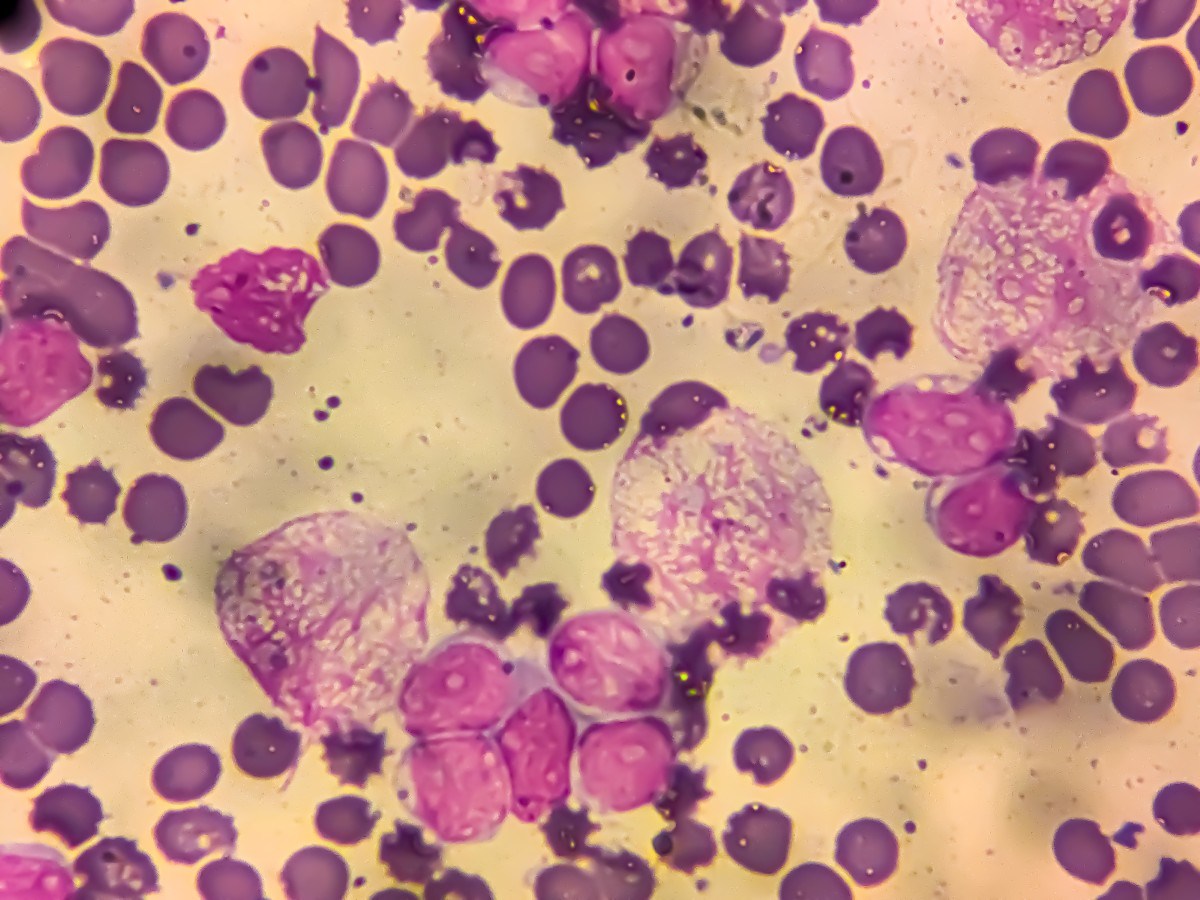
Research by the International Agency for Research on Cancer (IARC) indicates that infections will contribute to one in eight cancer cases globally in 2024. This amounts to 2.3 million new cancer cases, with certain infections playing a significant role. The study, released in the journal Lancet Oncology, emphasizes the potential for preventing many cancers through improved infection control.
Dr. Patrick Moore from the University of Pittsburgh highlights that infections are a more substantial factor in cancer development than commonly acknowledged. He notes the geographical significance of each infection. Moore also warns that reductions in HIV treatment in Sub-Saharan Africa could increase infection-related cancers.
Karl Munger of Tufts University suggests that the actual figures may be higher than the IARC’s estimate, potentially ranging from 15 to 20 percent globally. Infections are often overlooked causes of cancer, and many related cancers are preventable.
This fraction, one in eight cancer patients, is the same fraction as lung cancer in all cancers in the U.S. It is not a rare or insignificant problem.
Leading Infectious Causes of Cancer
According to the study, certain infections will be major contributors to cancer cases in 2024:
- Helicobacter pylori (H. pylori): Responsible for about 760,000 cases, primarily gastric cancer.
- Human papillomavirus (HPV): Linked to approximately 750,000 cases, mostly cervical and other genital cancers.
- Hepatitis B virus (HBV): Associated with around 360,000 cases, predominantly liver cancer.
- Epstein–Barr virus (EBV): Causes approximately 260,000 cases, including nasopharyngeal cancer and Hodgkin lymphoma.
- Hepatitis C virus (HCV): Related to about 160,000 cases, mainly liver cancer.
The study found higher cancer burdens in Eastern Asia, Sub-Saharan Africa, Central and Eastern Europe, and South-East Asia, influenced by regional infection prevalence and socio-economic conditions.
The Link Between Infection and Cancer
Infections can result in cancer through mechanisms such as hijacking cellular processes, which normally regulate cell cycles and repair mutated genes. Chronic inflammation and tissue damage also contribute, increasing DNA damage.
Dr. Gary Clifford, study lead author, explains that some pathogens carry oncogenes, directly causing cancer when inserted into healthy cells, especially under conditions like immune suppression.
Implications for Prevention
The findings indicate that numerous cancers linked to infections are preventable, especially with existing vaccination, screening, and treatment options. However, accessibility is limited in low- and middle-income regions due to financial, social, and political barriers.
Preventative measures are underused, often due to insufficient resources and political commitment. Social stigma and inequitable healthcare access also pose challenges.
Action Steps
Researchers recommend that policymakers focus on scaling up proven interventions:
- Vaccination against HPV and HBV.
- Testing and treatment for infections like H. pylori, HBV, HCV, and HIV.
- Preventative measures like safe injection practices and pre-exposure HIV prophylaxis.
- Cervical cancer screening enhancements.
Dr. Shan-Lu Liu advocates for expanding vaccinations, improving screening, and increasing healthcare access in regions with high infection-related cancer rates.
Efforts should aim at strengthening healthcare systems in lower-income nations and encouraging global health equity.