El Niño of 2026-2027 Predicted to Rival Historical Patterns
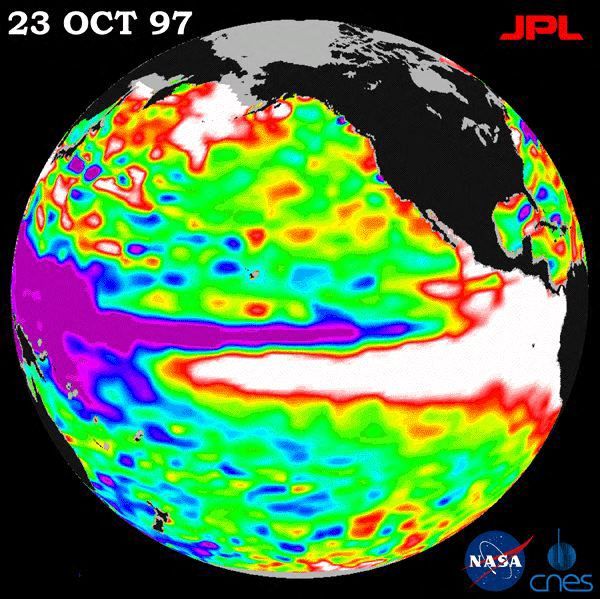
This year’s El Niño is shaping up to be among the strongest on record. Comparisons with past years, specifically 30 years ago, are challenging. However, looking back, Columbia University climate scientist Azhar Ehsan noted similarities with 1997 during a September briefing. That year saw one of the most intense El Niños previously recorded.
The winter of 1997 was marked by unprecedented extremes. According to an April 1998 report from the National Climatic Data Center, it was the second-warmest and seventh-wettest winter in the US since 1895. This strong El Niño caused widespread weather disruption across the country. The Northeast faced ice storms, while the Southeast and California experienced significant flooding. Florida was struck by deadly tornadoes during this period.

Typically, an El Niño winter features wetter conditions in the southern regions, with warmer and drier weather in the north. During 1997-1998, much of the country experienced predominantly warm and wet weather. California and North Dakota both recorded their wettest winters, with several other states seeing record rainfall. Tampa, Florida, logged over 15 inches of rain in December, and New Orleans received more than 19 inches in January.
Severe storms in early January led to widespread flooding, ice storms, and tornadoes across the eastern half of North America. This resulted in 56 fatalities in the US and Canada, leaving millions without power and destroying hundreds of homes. In February, persistent stormy weather hit California and the Southwest, causing mudslides and flooding. Meanwhile, places like Des Moines, Iowa, experienced extended periods without sunshine.
Unseasonably warm weather was observed in the Midwest and parts of the East. Cities in northern Montana saw no freezing temperatures in December 1997 for the first time. By February’s end, Lake Erie near Buffalo remained unfrozen, maintaining a temperature of 36 degrees. A positive effect of this weather was a 10% reduction in heating costs nationwide.
Looking ahead to 2026-2027, predictions suggest this El Niño will surpass the 1997-1998 event. A super-strong El Niño is anticipated to bring drought in some regions and flooding in others, potentially causing up to 451,000 weather-related deaths globally. The typical pattern is expected to bring warm, dry conditions in the north and colder, wet weather in the south.
This year’s El Niño has been intensifying since summer. National forecasters predict a 75% likelihood of a historic event exceeding previous strengths dating back to 1950. Although El Niño often peaks during winter, effects have already been noticed in recent late summer and fall climates, influencing both Atlantic and Pacific hurricane activities.
Temperature and precipitation forecasts align with a classic El Niño pattern for the upcoming months.