Christa Pike’s Failed Execution Highlights Lethal Injection Issues
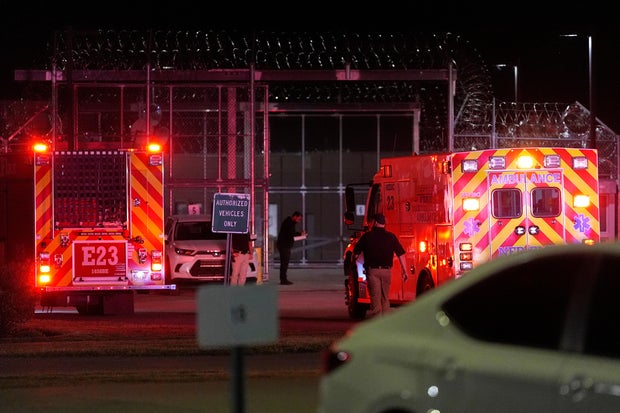
Christa Pike, the sole woman on Tennessee’s death row, survived a lethal injection attempt carried out in a Nashville execution chamber. Despite receiving two doses of a lethal drug, she remained alive, marking what one expert called an ‘unparalleled’ event. This incident underscores ongoing problems with lethal injection protocols in Tennessee and across the U.S.
Pike, aged 50, was sentenced to death for the 1995 slaying of her former classmate Colleen Slemmer. At 18, she committed the crime, and at 20, she became the youngest woman placed on death row in the modern era of capital punishment. The murder was described as grisly by many accounts.
Her lawyer, Steve Ferrell, indicated that this outcome was predictable, criticizing the court for its inaction. After the failed execution, Pike was hospitalized, receiving critical medical care. A physician noted that she might suffer from a traumatic brain injury.
“The case of Christa Pike lays bare multiple reasons why the death penalty should be abolished,” stated United Nations human rights chief Volker Turk, emphasizing the inhumane nature of multiple failed executions.
Pike’s legal team, in a prior emergency motion, stated she retained a heartbeat and was conscious despite two doses of pentobarbital. Witnesses reported her vocalizing discomfort during the procedure.
Recent Execution Problems in Tennessee
This isn’t Tennessee’s first problematic execution. Earlier in the year, execution proceedings for inmate Tony Carruthers similarly faltered when staff couldn’t establish an IV, leaving him injured and in distress. Carruthers’ attorney described the episode as torturous.
Governor Bill Lee eventually provided Carruthers a temporary reprieve, yet opted not to consider clemency, despite public uncertainty concerning the conviction’s validity. Carruthers is among several inmates experiencing failed executions due to IV complications, an issue seen in multiple states as reported by the Death Penalty Information Center.
Pike’s case stands out where the drugs were administered but didn’t result in death, contrasting with other situations where no vein access halted the procedure entirely.
Execution Protocol Concerns
Tennessee resumed executions in 2025 after a break due to scrutiny over their execution process. This pause aimed to reassess their protocol, leading to a shift from a three-drug method to using pentobarbital alone.
The Tennessee Department of Correction asserted they followed the set execution protocol, emphasizing the chemical’s usual effectiveness, with no provisions for additional measures when complications arise.
Officials and advocates have long criticized the secrecy surrounding execution protocols. Unsuitable drugs and lack of transparency make legal challenges difficult, with Pike’s attorneys warning of degraded chemicals and inadequate emergency protocols.
Pike herself expressed apprehension about the procedure, though not about death itself, in a letter revealed prior to her execution attempt. Her attorneys’ predictions about the execution’s failings proved accurate, highlighting systemic issues yet to be resolved.