Congress Starts Autumn Without Government Shutdown Drama
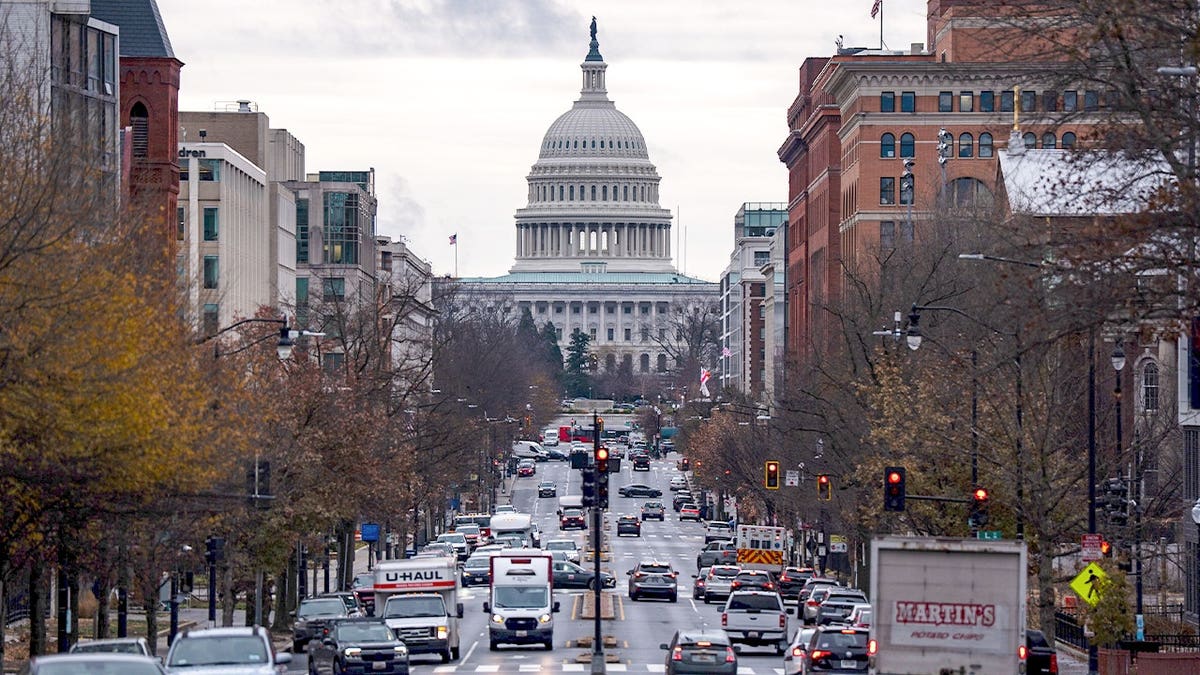
Oscar Wilde once said, “And all at once, summer collapsed into fall,” which resonates with how Congress began this fall. Typically, Congress faces the threat of a government shutdown as the fiscal year ends on September 30. However, this year lawmakers funded the government ahead of time, avoiding the usual chaos.
Traditionally, fall on Capitol Hill is marked by heated political debates and uncertainty. Meanwhile, others enjoy seasonal treats like pumpkin lattes and cobbler. When a shutdown looms, it fuels tension among lawmakers, but this year they circumvented that stress.
Government Funding Bill Signed
President Trump signed the government funding bill, ensuring operations through December 11, permitting members of Congress and journalists to savor autumn activities. However, the upcoming mid-December spending round looms uncertain.
Lawmakers are still recovering from previous battles over funding. With midterm elections approaching, they wish to delay further conflicts until afterward. However, if Democrats gain control in the House or Senate, Republicans may push for immediate funding through fall 2027 to maintain influence.
Should Democrats take control, they might advocate for an interim spending bill, aiming to negotiate with President Trump in early 2027. Regardless of election outcomes, Congress will grapple with filibuster hurdles in the Senate, requiring bipartisan cooperation.
Potential Shutdown Scenarios
If Democrats win either chamber, they could resist Republican spending plans, going for a stopgap measure instead. Congress may face shutdown threats in December or the subsequent year. Historically, control changes in Congress have sparked shutdowns.
The 120th Congress may begin in January with a shutdown if spending disputes linger. Previous similar circumstances led Democrats to power in 2018, pitching then-President Trump against new House leaders.
Political Dynamics and Leadership Shifts
House Democrats aim to align their progressive caucus and socialists post-election to challenge Republican proposals. Meanwhile, Democrats must manage internal dynamics for leadership bids as discussions revolve around Speaker nominations.
Republicans confront potential leadership changes, particularly if the House switches control. Some members are contemplating alternatives for current Speaker Mike Johnson, preferring representatives like Jim Jordan with close ties to President Trump.
The GOP’s internal divisions may intensify if blamed for election losses, prompting possible resistance to President Trump from within. Senate leadership, including Chuck Schumer, might face similar scrutiny depending on their party’s success.
As autumn unfolds, attention turns to spending legislation, FISA renewal, and aligning on sports policy with the Senate. While Capitol Hill is quiet for now, post-election developments could renew legislative turmoil.
Enjoy fall festivities while anticipation builds. The delayed Congressional mayhem will erupt after elections, affecting policy and political landscape.