Massachusetts Judge Allows Murder Case Against Lindsay Clancy to Proceed
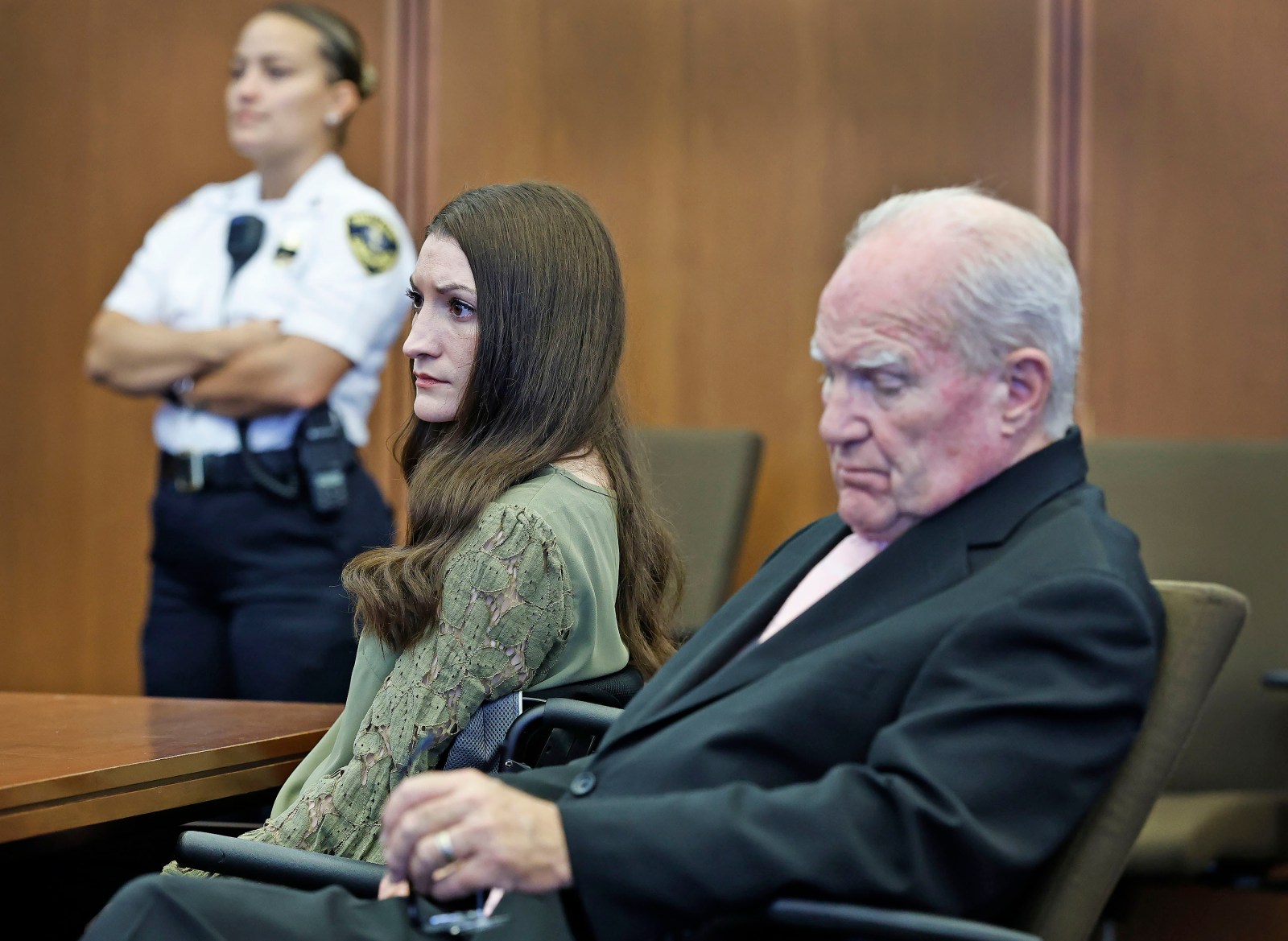
A Massachusetts court has cleared the path for prosecutors to continue pursuing a murder case against Lindsay Clancy, regarding the deaths of her three children. Plymouth Superior Court Judge William F. Sullivan ruled against Clancy’s motion to dismiss the charges, indicating that the evidence presented during the mistrial in September was adequate for the case to advance.
In Massachusetts, a Rule 25 motion allows for a judge to assess whether prosecutors have demonstrated enough evidence for a reasonable jury to potentially convict a defendant. Clancy’s attorney, Kevin Reddington, argued that the prosecution did not prove two essential elements—Clancy’s involvement in the deaths and her criminal responsibility at the time.
Judge Sullivan disagreed, finding sufficient evidence for a reasonable jury to determine Clancy’s guilt beyond a reasonable doubt. He stated, “There was evidence introduced, both physical and circumstantial, that would permit a rational trier of fact to find beyond a reasonable doubt the elements of the charge of murder.”
The judge’s decision does not establish Clancy’s guilt or innocence, but confirms the legal sufficiency of the evidence for progressing to another trial. This ruling is seen as a strong move for the prosecution, which contends that Clancy plotted the killings of Cora, 5 years old, Dawson, 3 years old, and Callan, 8 months old, on January 24, 2023, while her spouse was briefly away from their home in Duxbury.
Reasons for Judge Sullivan’s Decision
The ruling highlighted physical and circumstantial evidence showing Clancy alone with her children during the crucial period. Testimonies revealed Patrick Clancy left home for food and medication and returned to signs of violence and discovering their children in the basement.
Medical experts testified the children died due to asphyxia related to mechanical asphyxia, with prosecutors alleging strangulation using exercise bands. The defense’s challenge against evidence on Clancy’s criminal responsibility was dismissed. Both sides agreed Clancy suffered from serious mental illness, but the contention was whether it affected her ability to recognize the wrongfulness of her actions or adhere to legal conduct.
Sullivan noted three prosecution experts asserted Clancy retained those faculties, unlike defense experts. Resolving these discrepancies falls to a jury rather than the judge.
Next Steps in the Case
On November 2, a hearing will address unresolved matters, including Clancy’s motion to prevent a retrial on the grounds of double jeopardy and an inquiry into holdout juror Michael Desronvil.
The prosecution’s decision to retry is uncertain. Options include pursuing first-degree murder charges, opting for lesser charges like second-degree murder or manslaughter, or choosing not to proceed. If retrial occurs, the jury must decide if Clancy is guilty of murder or if her mental state causes non-criminal responsibility.