Helping Dogs Communicate When Owners Lose Hearing
Dogs are always learning which sounds or behaviors get reactions from their owners. But when an owner loses hearing, pets might need to adapt and find new ways to communicate. Dogs respond to their environment and learned experiences. Dr. Linda Simon, a resident veterinarian at Pooch & Mutt, shared insights with Newsweek.
Adapting to New Communication Methods
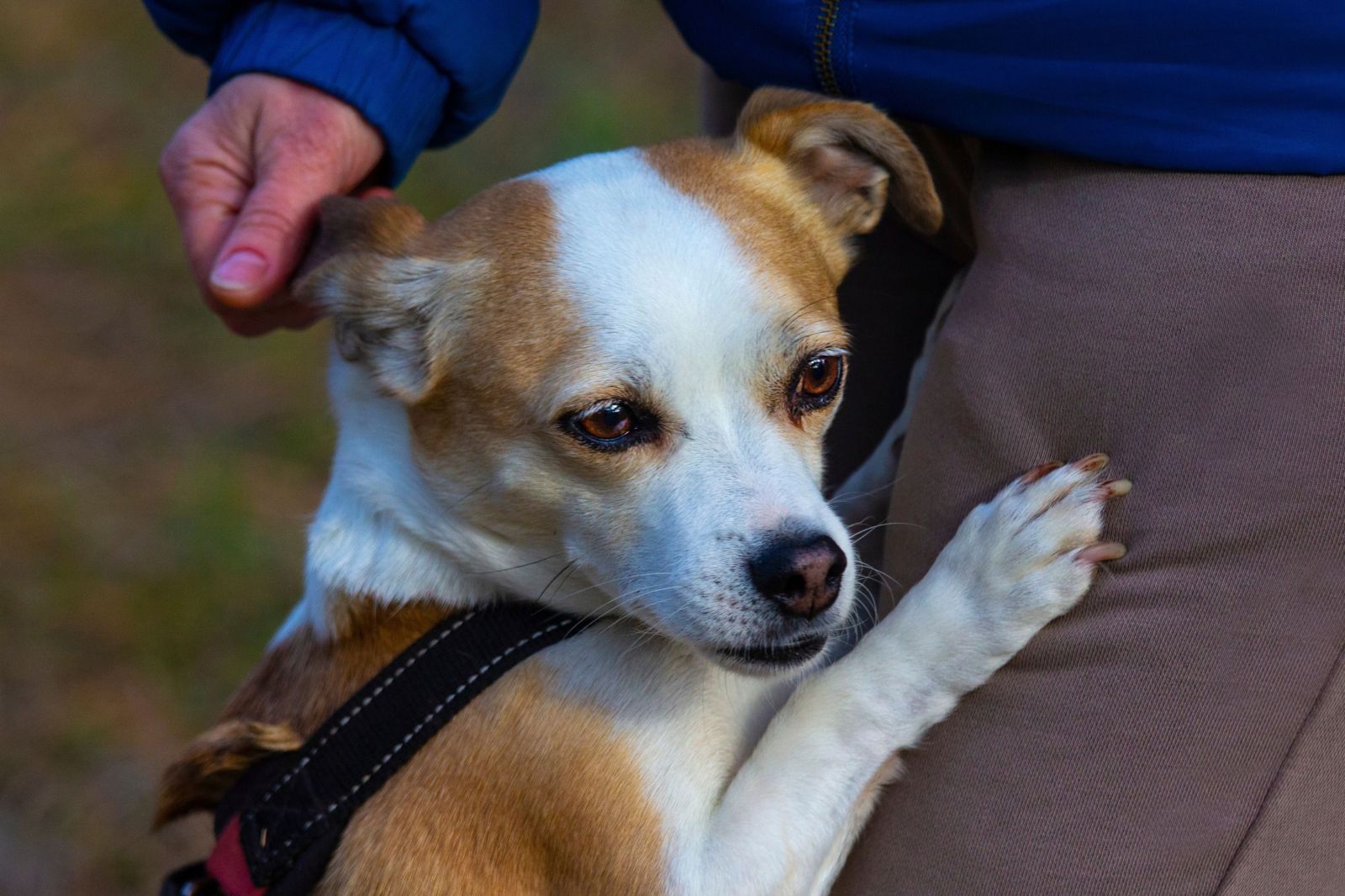
Dogs may realize that a person who once responded to their bark or whine no longer reacts the same way. They then use other communication methods, like positioning themselves in front of the owner or using touch. Dogs aren’t merely making noise; they learn the outcomes of their actions.
How can an owner assist their dog in transitioning? They can pay attention to behaviors the dog uses for attention and respond to those instead. If a dog approaches and touches their owner or stands in front of them, responding reinforces that behavior as effective communication.
Learning New Ways to Communicate
Barking and whining aim to capture an owner’s attention. Over time, dogs learn the consequences of these sounds, like how persistent whining during meals might result in food. If these sounds don’t yield the expected response, dogs adjust their behavior. “If these barks and whines are mostly ignored, they’ll likely reduce in frequency,” Simon said.
An owner with hearing loss might notice their dog becoming less reliant on barking, opting for behaviors more likely to be acknowledged. Encouraging these behaviors when they occur helps, such as a dog touching the owner’s leg rather than barking.
How quickly this adaptation happens varies. Intelligent dog breeds, like poodles and collies, might learn faster. A dog’s age and previous experiences also affect this. A puppy raised in a hard-of-hearing home may accept the lack of response faster than an older dog from a hearing household.
Using Hand Signals
It’s good news that deaf owners or those with hearing loss don’t need to rely on spoken commands. Dogs can learn hand signals instead. “Dogs do great with visual learning and can respond to hand cues and signals rather than vocal commands,” Simon noted.
There’s no universal set of hand signals, so each owner and dog might develop their own. For example, raising a flat palm might indicate to sit, while a quick arm wave could mean to stop sitting. Consistency helps the dog learn what each gesture signifies, especially when there’s no accompanying verbal command.
Owners should notice how dogs naturally get attention. If a dog touches its owner’s leg instead of barking, responding helps them know it’s an effective communication method.
For owners adjusting to hearing loss, patience is key. Dogs continually learn from their experiences and can adapt when usual communication methods fail. The resulting relationship might rely more on gestures, eye contact, and touch, yet remain just as communicative.