White Sox Embrace ‘No-Rotation’ Strategy in ALDS
The approach to managing a pitching staff in baseball has evolved dramatically over the years. Traditionally, the top pitchers on a team served as starters, handling the majority of innings, while the best relievers were reserved for closing games. The setup involved handing leads from the starters to the closer with the help of setup men. Traditionally, the least effective pitchers would handle non-critical situations to preserve the arms of more valuable pitchers.
For many years, this model guided teams throughout the regular season, with strategies becoming more aggressive in the playoffs. Managers pushed their best starters further, exhausting their resources to secure victories. However, the landscape of baseball strategy is changing.
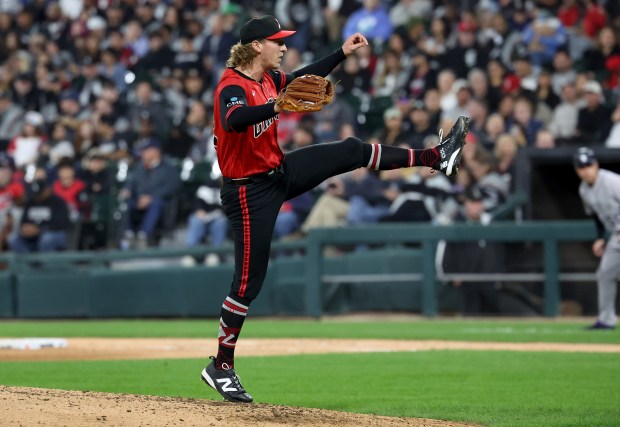
Take the case of the 2026 Chicago White Sox. Managed by Will Venable, this team has embraced an unconventional ‘no-rotation’ approach. As the White Sox advanced to face the Cleveland Guardians in the American League Division Series, Venable announced that left-handed reliever Hagen Smith would serve as the opener for Game 1. This arrangement marked Smith’s second consecutive opener role after leading game-winning performances against Houston in the wild-card round.
The White Sox have incorporated openers into their play 32 times this season—more than any other team. This strategy reflects Venable’s commitment to a bullpen-first approach, aiming to optimize player performance by leveraging pitchers in specific circumstances rather than through traditional rotation expectations.
If a system isn’t broken, don’t fix it.
While this bold strategy has its critics, Venable remains confident, suggesting that off days provide opportunities to strategically manage pitchers. The White Sox’s diverse bullpen allows them to mix and match arms, potentially using starters in bulk roles if necessary. Sean Burke, who started Game 2 against the Astros, might also make further appearances.
Reflecting on past strategies, this approach contrasts sharply with those employed by teams like the 2005 White Sox managed by Ozzie Guillén. During their World Series triumph, the team relied heavily on starters such as José Contreras and Mark Buehrle, who consistently pitched deep into games. Such extensive use of starters is rare today.
The White Sox’s bullpen-centric strategy harks back to the emergence of ‘bullpenning’, a method popularized in the last decade. While not entirely new, no team has pushed bullpen use to the extent of the 2026 White Sox.
General Manager Chris Getz highlighted this approach as a necessity for the team’s composition. With no dominant rotation at season’s start, and changes like Shane Smith being moved to Triple-A Charlotte, the team had to adapt. Players like Grant Taylor stepping into varying roles underscored this versatility.
Despite skepticism from former managers like Guillén, the effectiveness of the White Sox’s unconventional strategy might secure their path to victory. Winning without a traditional rotation could cement the players’ status among fans forever, promising them recognition long after the final pitch is thrown. A nod to past glory offers hope, as former players like Geoff Blum recall enjoying the continued appreciation of fans in everyday life.