The True Goal of Youth Sports: Focus on Health and Fun
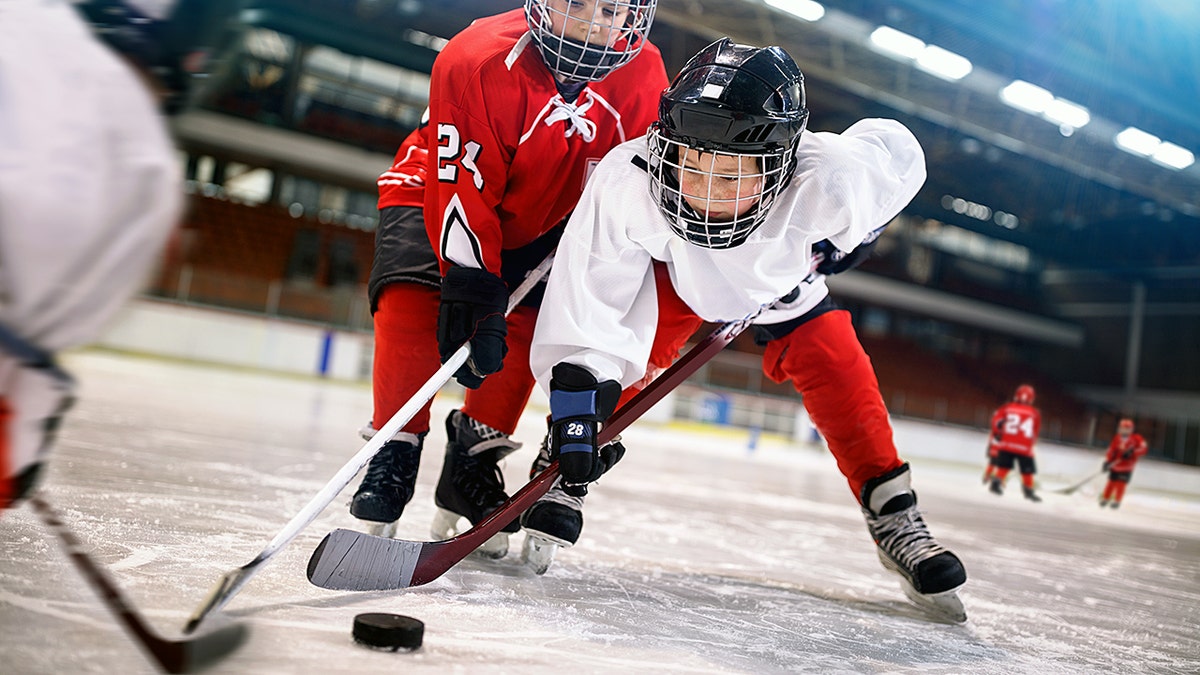
The fall youth sports season has started, and many parents have already crammed their children’s schedules with practices, private lessons, and travel tournaments. These parents aim to provide every opportunity for their kids to succeed on the field or court. However, there is an important aspect that many are overlooking: the fundamental purpose of youth sports.
Many parents and coaches are caught up in the pursuit of fame or an athletic scholarship for their children. This often means pushing kids into doing too much, too soon. Children are still developing, and their training regimens should reflect that. Their bones, muscles, tendons, and movement patterns are in a growth phase, which varies during puberty. For example, bones can be more vulnerable to stress during growth spurts, affecting strength and coordination. Thus, adult expectations should match the child’s biological development.
Despite these facts, some adults continue to increase the demands on young athletes. The result is a lack of rest and recovery time, leading to consequences seen too often in medical settings. For instance, about 1% of girls playing soccer may sustain an ACL injury each season. If a girl specializes in year-round soccer throughout high school, she faces roughly a 16% chance of tearing her ACL. Such injuries have a long-term impact, shortening an individual’s ‘playspan’—the active years they enjoy sports and physical activities.
An ACL injury in youth can result in early arthritis and disability, hindering participation in recreational sports later. Sacrificing long-term health for immediate sports performance is shortsighted. Moreover, burnout can cause children to lose their love for sports. When there is too much pressure, kids might never regain interest in being active as they grow older.
Some countries like Norway have adopted a different approach to youth sports. Their principle is simple: “As many as possible, for as long as possible, and as good as possible.” This philosophy emphasizes variety over specialization, encouraging kids to try multiple sports and develop at their own pace. Rather than focusing only on winning, the goal is to ensure that children remain active into adulthood.
The model has proven effective, with stars like Norway’s Erling Haaland emerging and retaining a connection to sports into adulthood. Out of 40 boys at Haaland’s youth club, 35 still play soccer as adults. That is a benchmark worth aiming for. In contrast, many children in the U.S. quit sports before middle school due to lost interest. A well-designed youth sports system prioritizing long-term engagement over specialization would include multiple sports, foundational movements, and adequate rest. It would acknowledge the different development rates among children of the same age.
Producing lifelong athletes should be the primary goal. If athletes eventually earn scholarships or turn professional, it is a positive outcome. However, the real success lies in how many youths continue to enjoy sports throughout their lives.
Andrew D. Pearle, MD, is the chief emeritus of the Sports Medicine Institute at Hospital for Special Surgery.