Reassessing the Republican Nomination Process
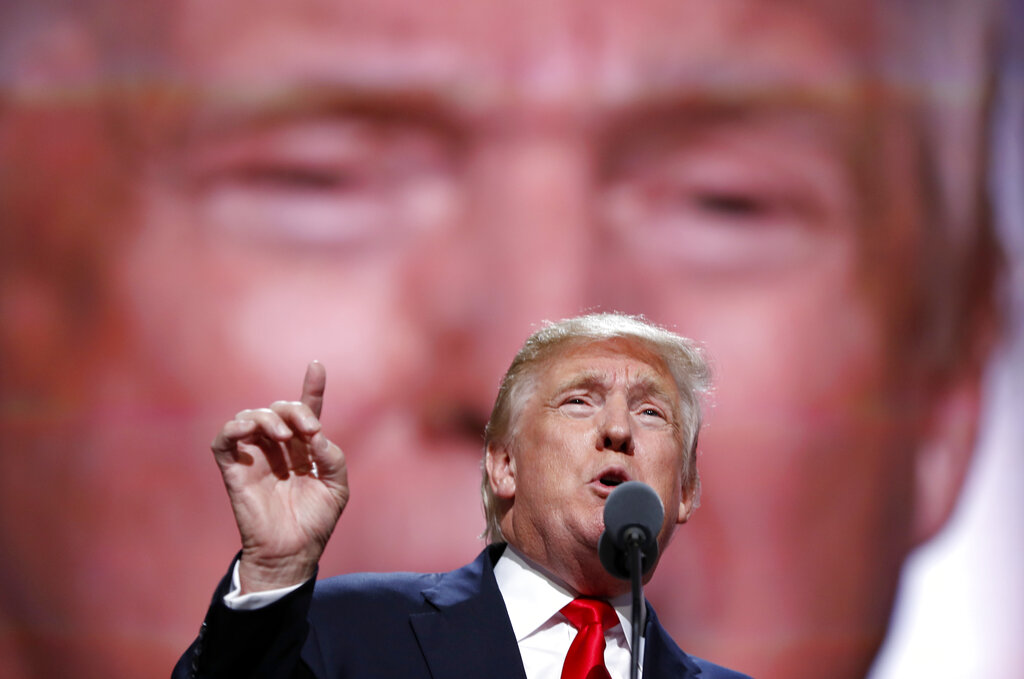
In July 2016, then-Republican Presidential Candidate Donald Trump addressed the final day of the Republican National Convention, presenting a somber outlook of America’s future. His key message was a declaration of his unique ability to resolve the nation’s problems.
The presidency’s substantial powers are often guided by ideologues and interest groups who influence Republican nominations. This prioritization can overshadow candidates committed to upholding the rule of law and the Constitution. Without prompt reforms, American governance risks devolving into populist tyranny—a fear held by the Constitution’s Framers.
Shift in Nomination Control
Two significant shifts have brought the U.S. to this juncture. First, since the 1970s, nomination control has transitioned. Party officials, who initially sought experienced candidates capable of winning general elections, have been replaced by smaller, less representative voter segments with narrow agendas. This low primary turnout allows groups like evangelicals and immigration opponents to dominate delegate selection at national conventions.
The Constitution’s intended “filter” for popular voice and protection of elected officials has been altered. As explained by Alexander Hamilton, the Electoral College aimed to ensure the selection of individuals noted for their capability and virtue to prevent leadership marked by “cabal, intrigue, and corruption.”
The 2016 Election and Its Implications
Donald Trump’s 2016 primary victory demonstrated this shift. Winning with less than 40% in a crowded field, he benefited from a Republican primary base predominantly conservative, contrasting with the more moderate or liberal general election electorate. His approach to the rule of law was not critically assessed by voters focusing more on dislike for Hillary Clinton, the Obama administration, and broader political dissatisfaction.
Presidential Powers in Focus
The second change involves the expansion of presidential powers for unilateral domestic and international actions. Historical precedents during the Cold War allowed presidents to engage in military actions and international agreements without concerted checks. Typically, political party vetting processes mitigated potential power abuses, until Trump’s nomination by ideological groups bypassed traditional oversight.
The Need for Reform
Restoring balance to nominations, particularly within the Republican Party, demands urgent reforms. Reintroducing greater independence for unpledged Republican delegates is critical. Previously, a notable portion of these delegates were free to vote independently in conventions, but by 2016, this percentage sharply declined, aligning more to primary outcomes.
Primary voters should continue playing a central role, yet party leaders must regain the ability to counteract when a candidate poses a significant threat to constitutional norms. Such changes face expected resistance from ideologues claiming democracy is weakened. Nevertheless, the aim is to balance primary decision-making with safeguarding foundational governance principles.
Without these reforms, the potential for another unsuitable candidate looms large for future elections, emphasizing the need for immediate action to safeguard democratic integrity.
Lawrence R. Jacobs, holding the Walter F. and Joan Mondale Chair for Political Studies, serves as director at the University of Minnesota’s Center for the Study of Politics and Governance. He has contributed significantly to literature on American politics.